


By Christine Wangoi, DevReporter, Kajiado County

Key highlights
- Charcoal burning is an illegal activity according to the Kenya Forestry laws
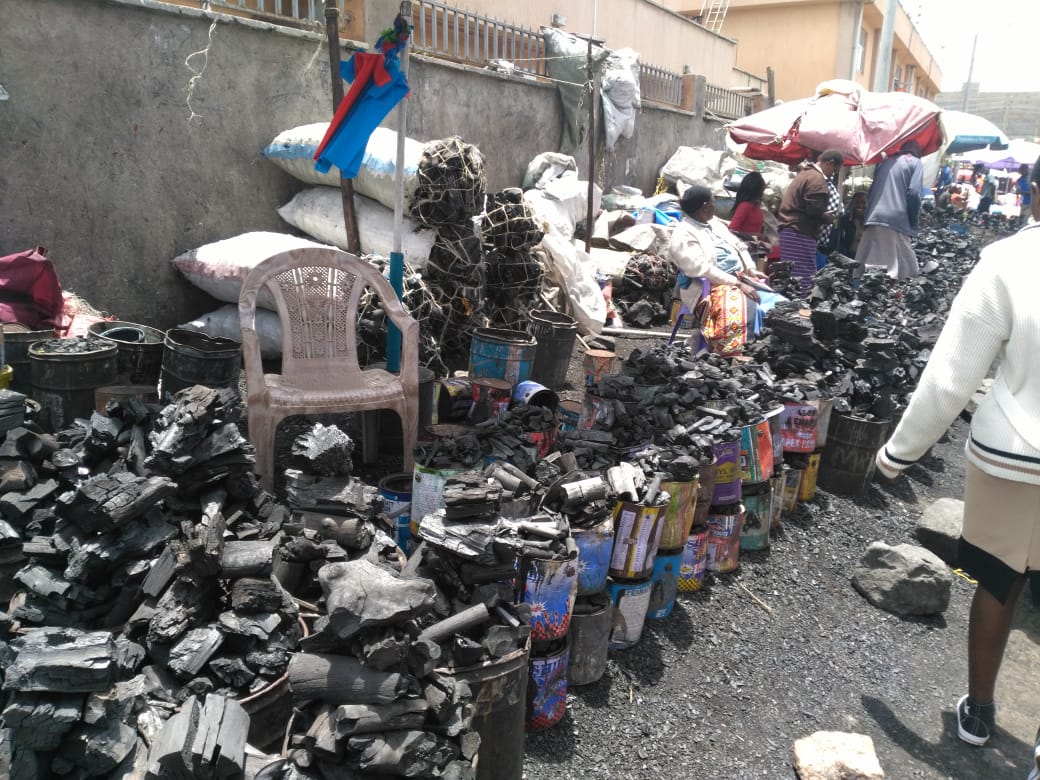
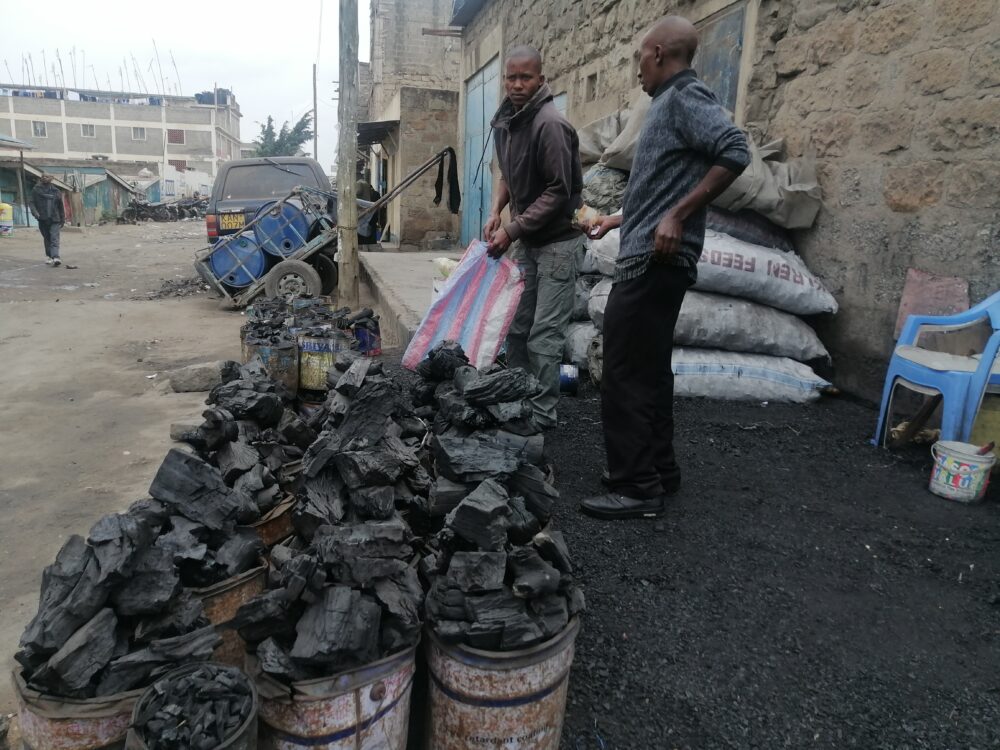
- Charcoal trade in satellite towns is a free business while burning and ferrying is an illegal activity.
- Charcoal is largely utilized in Nyama choma joints in satellite towns.
- Acacia tree is the most preferred species in charcoal burning because it has minimal carbon and its charcoal last longer.
Emotoroki Village in Kajiado Central was once known for its thick, mature acacia trees that sustained livelihoods, protected the soil, and defined the area’s natural beauty.
Today, the landscape tells a different story.
Blackened tree stumps, abandoned charcoal kilns, and vast stretches of bare land now dominate the village—the visible evidence of rampant charcoal burning that continues to strip Kajiado County of its forest cover.
Residents say that tree felling for charcoal intensified in the last two decades. Demand for cheap cooking fuel in Nairobi and surrounding satellite towns has further escalated the practice. Poverty and limited livelihood options in rural areas have compounded the crisis.
Jackson Letipat, a village elder, recalls a time when the community lived in balance with nature.
“During my teenage years, we had many trees here. Apart from acacia, we had wild fruits and medicinal trees. Herbal medicine was used to treat flu, stomach problems, and for detoxing,” says Letipat.
“Today, those herbs are gone. We now depend on pharmacies and dispensaries. Women used to to collect firewood only from dry branches. Cutting live trees for firewood and charcoal crept in slowly over the last 20 years and has worsened with time.”
Letipat admits that prolonged drought and economic hardship eventually pushed him into the practice he once opposed.
“I gave in to family and societal pressure because people needed to survive. Charcoal seemed like quick money. But the reality has caught up with us—the trees are now extinct,” he adds.
Women in the village say the environmental damage is already putting lives at risk.
“Soil erosion in sloping areas has become severe. Gullies have formed, and flash floods during the rainy season are worse than before,” says Mary Nashipae.
Young people blame the delayed enforcement of environmental laws for the continued destruction.
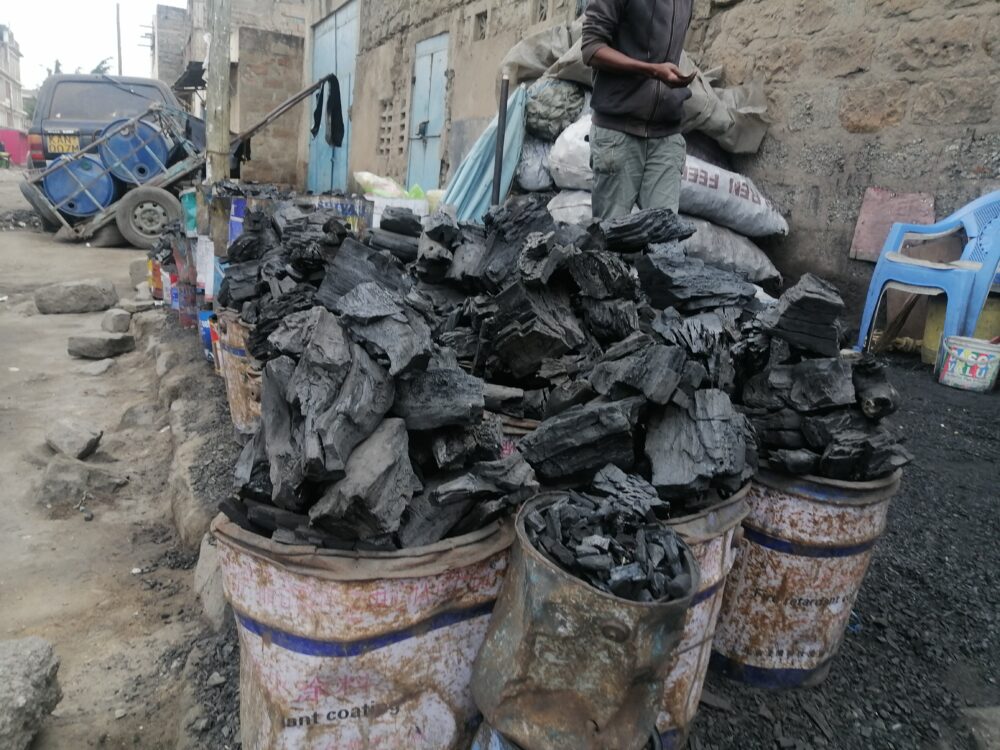
“A 90-kilogram sack of charcoal sells for between Ksh 900 and Ksh 1,200. I understand the damage this causes, but everyone is doing it. Whether I participate or not, the trees continue to be cut,” says Joseph Kores, a 24-year-old from nearby Irmaba Village.
Kenya’s Forest Conservation and Management Act of 2016 mandates communities and the Kenya Forest Service to regulate forest product trade and protect indigenous forests. However, residents observe that the Kajiado County Sustainable Forest Resources Management and Exploitation Policy of 2018—particularly on charcoal licensing—remains unclear and poorly enforced.
Environmental experts warn that the loss of acacia trees in dry land areas like Kajiado could accelerate land degradation.
“Acacia trees control soil erosion, improve soil fertility, and support biodiversity in low-rainfall areas,” explains environmental expert Daniel Wanjuki.
“Without them, desertification, reduced pasture, and declining climate resilience will threaten livelihoods,” adds Wanjuki.
Weak monitoring and enforcement continue to frustrate conservation efforts, raising questions about accountability.
Corruption fueling charcoal burning
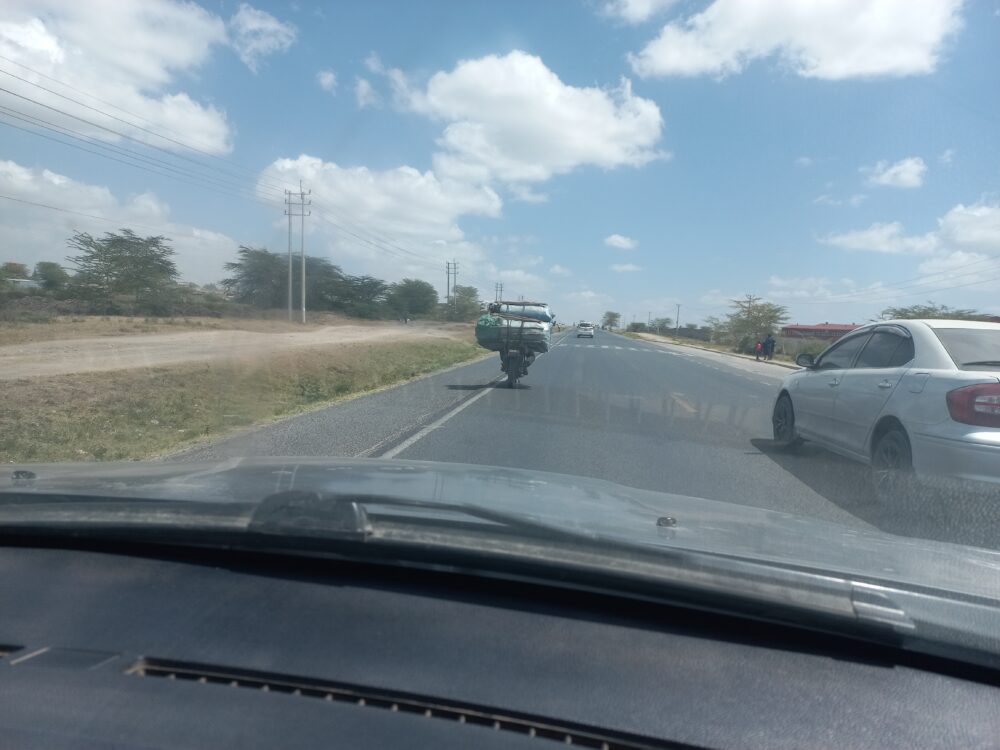
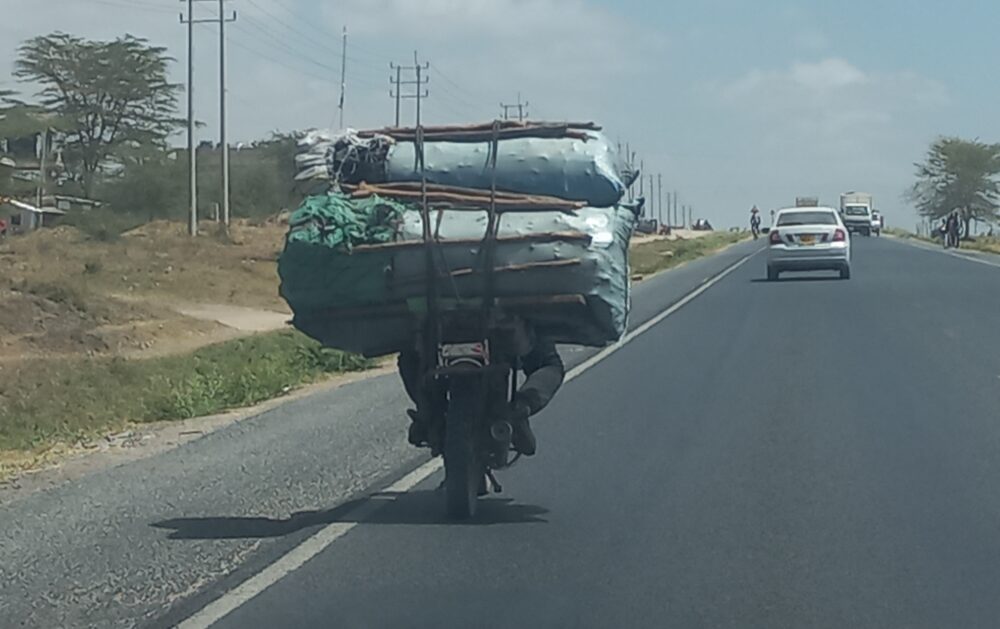
“Hundreds of bags of charcoal pass through roadblocks in broad daylight, some transported on motorbikes. Why are no arrests made?” asks resident Felix Selelo.
Kajiado County Commissioner, Alex Shikondi, admits the existence of rogue administration officers who allow the illegalities.
“We have chiefs who allow tree felling in their respective area of jurisdiction. Some would also not take action on family members and friends. We are profiling those involved in breaking the law. Moving forward we will carry impromptu crackdowns. We have also realized that some of our officers’ work in cahoots with the charcoal burners. They give them heads up and we end up not arresting anyone. There are cases where we have confiscated up to 200bags of charcoal, but without any suspect held. We ended up destroying it,” says Shikondi.
The crisis in Emotoroki reflects a wider environmental challenge across Kajiado and other dryland counties, all of which threaten Kenya’s commitment to sustainable land management and climate action.
Proposed solutions
Residents are now calling for urgent solutions—stricter law enforcement, promotion of alternative livelihoods such as beekeeping and drought-resilient agriculture, and community-led reforestation using indigenous tree species.
“People need alternative sources of income, and laws protecting forests must be enforced,” urges Letipat. “Urban consumers also have a responsibility to adopt cleaner, sustainable energy sources,” he continues.
Emotoroki Village reflects a broader regional and national challenge, undermining Kenya’s commitments to sustainable land management and the Sustainable Development Goals, particularly SDG 13 (Climate Action) and SDG 15 (Life on Land).
Without swift and coordinated action, residents warn that Emotoroki risks becoming yet another barren landscape—its natural heritage sacrificed to short-term economic survival.
“I am hopeful that urgent measures will be taken to restore forest cover not just in Emotoroki but in the entire Kajiado County. We are ready to embrace alternative sources of livelihood,” concludes Letipat.

 Radio Baraza