


By Rebecca Wangari, DevReporter, Murang’a County

Key Highlights
- Patients previously traveled for up to 5 hours for dialysis
- A mobile dialysis truck now brings care closer to rural communities
- The initiative is reducing costs and improving health outcomes
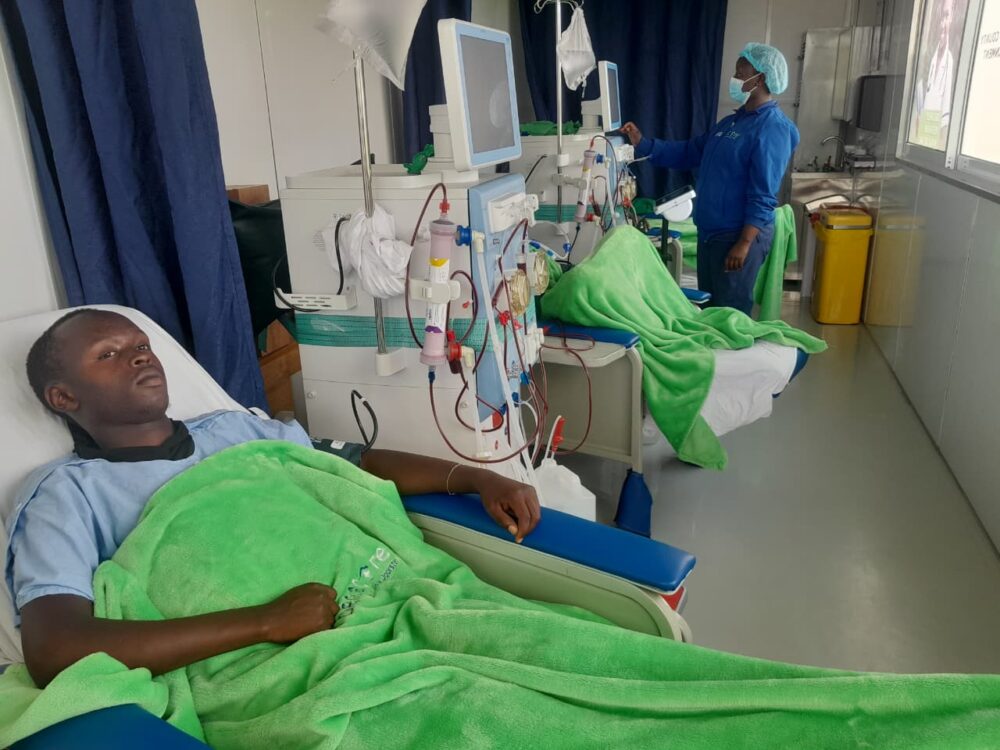
Joseph Wainaina, was diagnosed with kidney disease early last year which saw him start dialysis sessions. The closest facility where the services were available was in Thika, a journey that took him almost five hours.
Forced to wake up as early as 3.00 am in order to get to the hospital in good time, the journey was both physically draining and financially burdening.
In June 2026, he was admitted to the mobile dialysis truck which travels to Gatura health centre closer to his home, now enabling him to attend sessions twice a week.
From 3.am journeys to nearby care
“I used to wake up as early as 3.00 AM to get to the hospital in good time and the journey back home was also a tedious one because one gets flair after the dialysis,” said Wainaina.
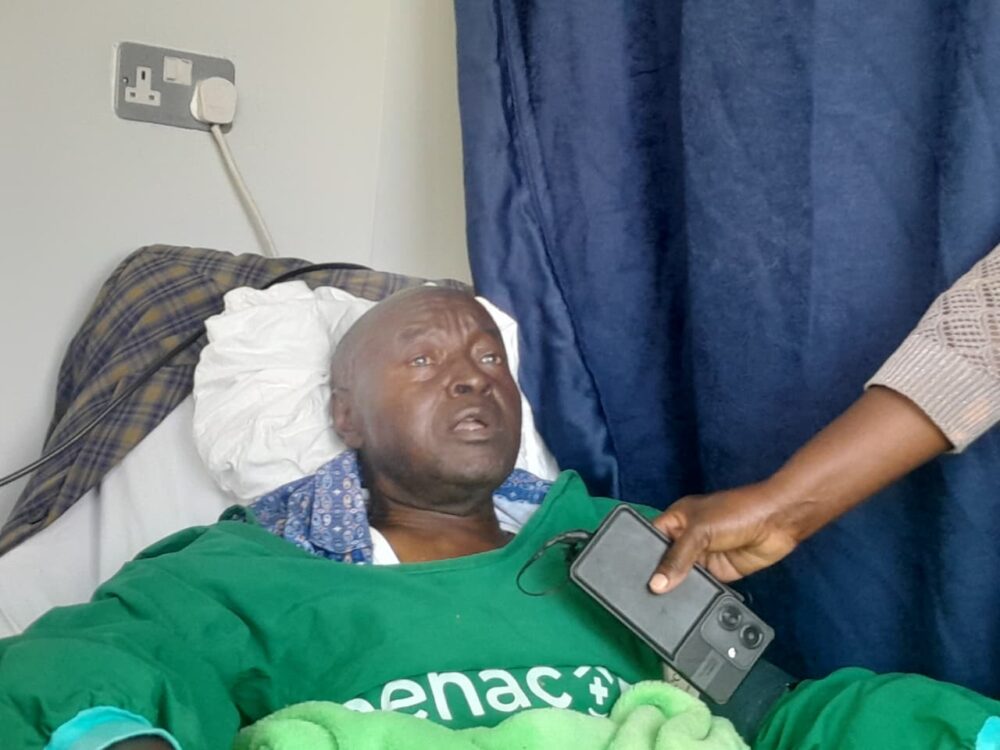
“The mobile dialysis truck has been of great help to us. It brought the services closer home and the quality of their treatment is also good. I feel that my health has now improved a lot,” he added.
Rachael Wangui, narrates similar struggles as she sought medical services after being diagnosed with kidney failure in May 2025.
She had attended the first two sessions at a hospital in Thika before being enlisted in the mobile dialysis unit, which came as a big relief.
“I used to travel for almost three hours to get to the hospital but now I reach the facility in less than one hour for the dialysis,” said Wangui.
“I now have time to attend to other chores at home, including taking care of my children after attending the dialysis session,” she added.
The experiences of these patients reflect a wider challenge in rural areas where access to specialized health care remains limited despite commitment by successive governments to provide universal health care.
Sustainable Development Goals (SDGs) 3 seeks to ensure universal health coverage for healthy lives and promote wellbeing for people of all ages. The coverage target specific areas, among which is reducing premature mortality from non-communicable diseases.
A crucial component of Kenya’s Vision 2030 is its social pillar, which aims to provide equitable, affordable and quality health care. This however remains a far-fetched dream.
A health survey conducted in 2025 indicated that at least 15 percent of adults in the county have shown signs of kidney impairment, with cases reportedly being on the rise.
To address the gaps in medical care for the patients, the county government, in collaboration with Bena Care and Jommo Kenyatta University of Technology (JKUAT), came up with a mobile dialysis truck which now takes the services closer to them.
How the truck works
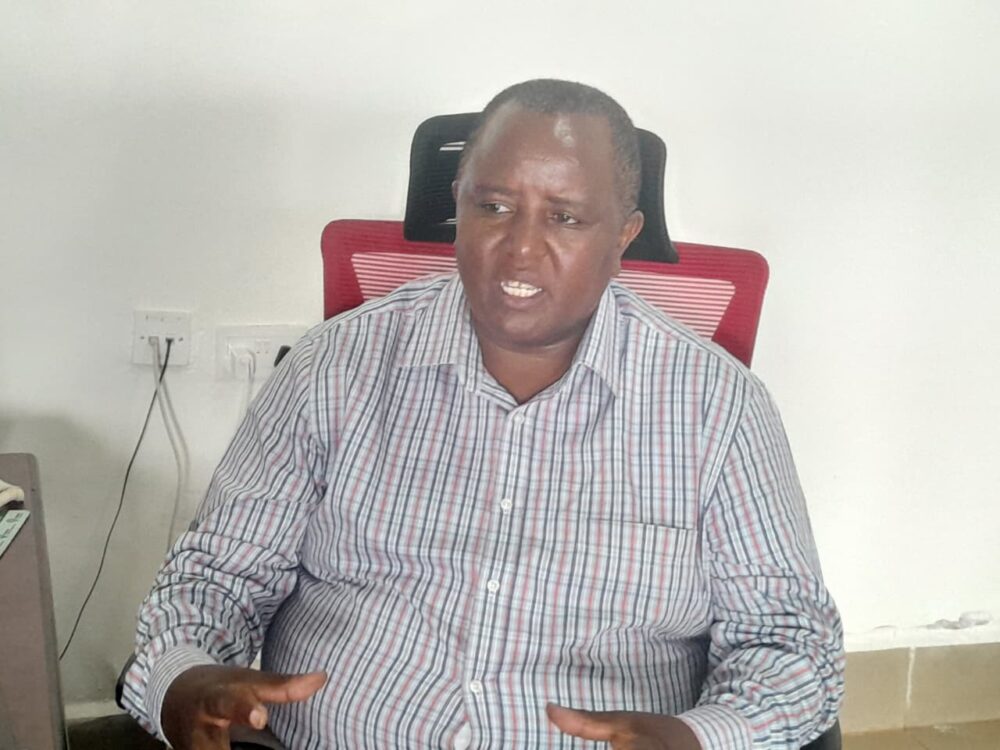
Ezra Ondeyo, the officer in charge of the dialysis unit offered by Bena Care, says that the machines are of a high standard, thus delivering quality services to the patients.
Ondeyo said that they have also noticed improvement in clinical outcomes from the patients since the mode of dialysis they do on patients has higher efficacy compared to the normal dialysis
“We do hemodiafiltration dialysis which offers more clearance of waste in the body compared to the normal hemodialysis,” he added.
The unit provides services twice a week in three stations namely; Gatura, Kirwara and Maragua, tending to nine patients a day.
Why Murang’a needs more dialysis machines
According to Dr. James Karuha, a nephrologist at the Murang’a referral hospital, the number of people suffering from kidney diseases is growing day-by-day, attributing it to lifestyle.
He also shared that the county has two renal units with only 15 dialysis machines, barely enough to cater for the huge number of patients.
Kahura further noted that initially, patients used to travel to hospitals Kiambu and Nairobi for dialysis services, which besides being a long journey, also came with extra cost.
“We realized that some patients even failed to attend the sessions due to lack of money for transport and they would eventually die for lack of proper medical care,” said Kahura.
What’s next for the care of kidney patients in the county?
Kahura revealed that plans were underway to bring another truck to serve the residents in upper parts of Kangema and Mathioya.
Murang’a Governor Irungu Kang’ata, revealed that the move is aimed at moving medical services closer to the people. Kang’ata further indicated that this was part of the plan to ensure the provision of quality health care to the residents, adding that the mobile dialysis unit is a major boost for the sector.
With most such facilities previously located in major urban centers far away, today, the people in rural areas are less disadvantaged. They can now access such services closer home without having to incur extra transport cost to get to these facilities.
Statistics from the Kenya Renal Association reveal that roughly 4 million people are suffering from kidney disease.
As kidney cases rise in the country, can mobile health solutions bridge Kenya’s rural care gap?
For patients like Wainaina, the answer is already clear, access is no longer a distant hope but a weekly routine.

 Radio Baraza