


By Philip Barasa Muyomi, DevReporter, Busia County

Highlights
- Climate impacts: 65% of 249 farmers rated the impacts as very severe; 63% reported food insecurity.
- Main stressors: Prolonged droughts (33%) and rising temperatures (31%).
- Rainfall: Late and erratic long rains, with intermittent dry spells.
- Adaptation: Irrigation, drought-tolerant seeds and better use of weather forecasts.
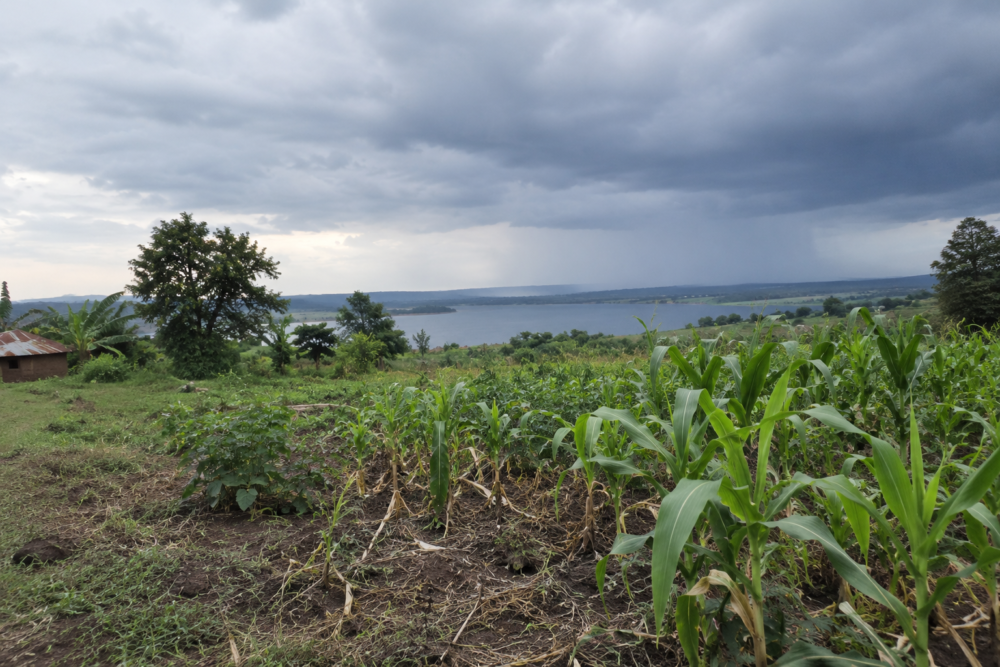
For farmers in Busia County, traditional farming seasons are becoming increasingly unreliable. Rains may arrive late, stop unexpectedly or fall heavily. Both drought and flooding threaten farming communities and their food security.
A 2026 study involving 249 smallholder farmers in Busia found that 65% rated the effects of climate change as “very severe”, while 63% reported experiencing food insecurity. Farmers identified prolonged droughts (33%) and rising temperatures (31%) as major climate-related stressors.
The forecast problem
Located in the Lake Victoria Basin, Busia is increasingly affected by unpredictable rainfall patterns. The March–May 2026 forecast anticipated near average to above average rainfall, while warning that the rains could begin late and be interrupted by dry spells.
This means that seasonal rainfall totals may appear normal even when the timing is unsuitable for planting and crop growth. The Kenya Meteorological Department warned of reduced crop performance in drier areas, as well as flooding, waterlogging and post-harvest losses in wetter areas. Farmers can therefore face very different weather-related risks within the same season.
Information farmers can use
Farmers receive weather information through radio and television. The study found that 38% of respondents acted on short-term radio forecasts, while 47% acted on television forecasts. Seasonal forecasts were used less frequently.
Short-term forecasts provide information about expected weather over the coming days. Seasonal forecasts, by contrast, give a broader outlook for a period of several months, indicating whether conditions are likely to be wetter or drier than usual. They help farmers make decisions about when to plant, which crops to grow and how to prepare, but they do not predict the exact weather on a particular day.
A separate study in Nambale found that inadequate understanding of seasonal forecasts negatively affected farmers’ responses. Making climate information easier to interpret and apply is therefore essential. Forecasts are most useful when they are communicated in ways that connect with farmers’ decisions and local conditions.
What adaptation looks like
At Benga village in Nambale, a 30-acre horticultural park established through the Financing Locally-Led Climate Action (FLLoCA) Programme provides, 120 farmers with plots, seeds and irrigation. Solar-powered drip and sprinkler systems support crop production.
Farmer Agnes Anyango, says that the initiative has improved her household’s food security and income.
“I used to depend on my neighbours for food. Now I grow capsicum and kale, which generates roughly Sh2,500 on a weekly basis.”
In Teso South, farmers are adopting drought-tolerant millet varieties that mature in three months rather than six. Farmer Mary Awala says the additional income helps her pay school fees.
“Farmers should get seasonal weather forecasts so that as they farm, they already know the expected amount of rain,” said Busia County Meteorological Director, Benjamin Bahati.
The next test
For October–December 2026, meteorologists forecast above-average rainfall across more than 40 counties in Kenya, including Busia. The outlook raises concerns about flooding, crop damage and post-harvest losses.
At Benga, farmer Michael Barasa has called for greenhouses to protect capsicum and kale from heavy rain and hail.
“This poses a big risk to our crops and it will affect our income if not addressed,” he said.
Busia’s climate challenge is not defined by one disaster, but by shifting risks. Drought-tolerant seeds, irrigation and protected farming, can help farmers respond to better to climate challenges. Resilience also depends on whether farmers receive weather information that they can understand and also have the resources to act on it in good time.
Help us keep you posted! Join our community today!

 Radio Baraza
