


By Amondi Arika, DevReporter, Nairobi County
When we talk about motherhood, we often focus on its beauty; the joy of bringing a baby into the world and the deep, unconditional love that follows. But what we don’t talk about enough, is the other side: the constant worry about your baby’s safety, the intrusive thoughts that come out of nowhere, sometimes so intense they feel like a brush with death. The inability to relax, even when everything is calm. The quiet overwhelm that never fully goes away.
We rarely speak about the physical side of it too; the tightness in the chest, the racing heart, the shortness of breath, the restlessness, and the uncomfortable lump in the throat that lingers far too long. This is postpartum anxiety: a deeply real, often hidden part of motherhood that many women experience but few openly discuss.
Postpartum anxiety (PPA) is a maternal mental health condition that occurs after childbirth, characterized by persistent and excessive worry, fear, and heightened alertness. Unlike normal postnatal concerns, the anxiety is intense, difficult to control, and often accompanied by physical symptoms such as a racing heart, tightness in the chest or upper abdomen, shortness of breath, and restlessness. It can also include intrusive thoughts that feel disturbing and unwanted, leaving many mothers emotionally exhausted and constantly on edge, even in the absence of real danger.
“Postpartum anxiety is far more common than many people realise, especially in busy urban settings like Nairobi,” says Ms. Cynthia Auma, a community health worker and also a mental health researcher.
“Mothers often come to our clinics focused entirely on their baby’s physical health. Yet behind the smiles and the new-born checks, many are quietly battling constant worry, fear, or overwhelming fatigue that can strain bonding with their child and affect the whole family. In our work with preterm and adolescent mothers, we see how these invisible struggles multiply when support is not built into routine care.” Cynthia continues.
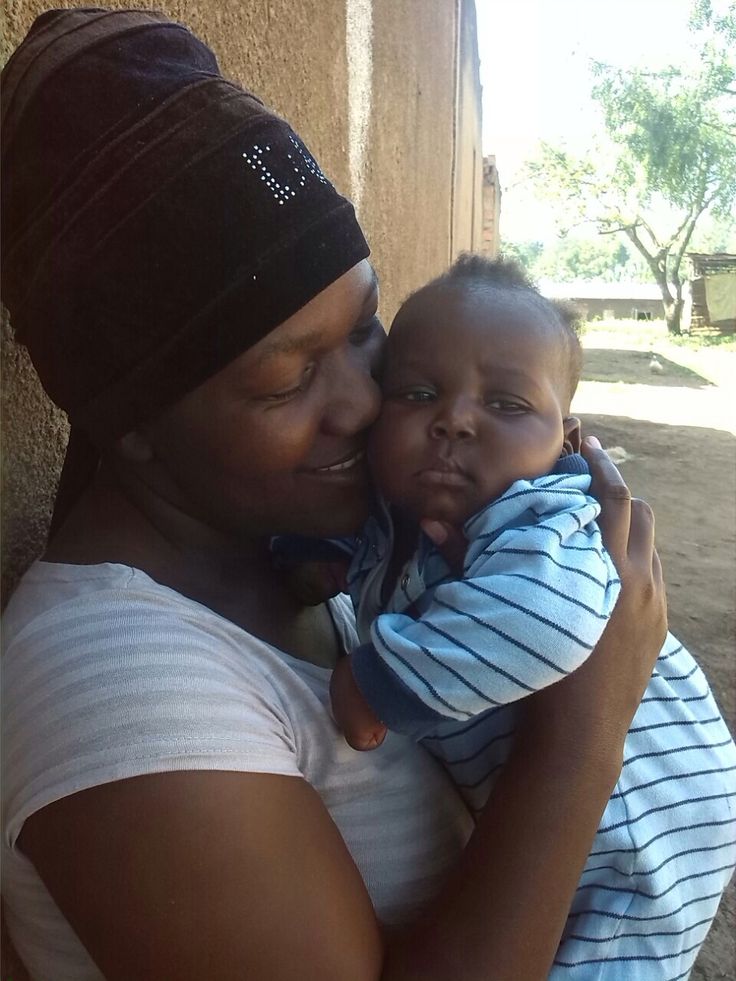
These words capture the daily reality for women like Amina a first time young mother in Nairobi navigating the pressures of urban life, recovery after birth, and the emotional weight that no one seems to ask about. In an exclusive interview with radio Baraza, she courageously shares her story.
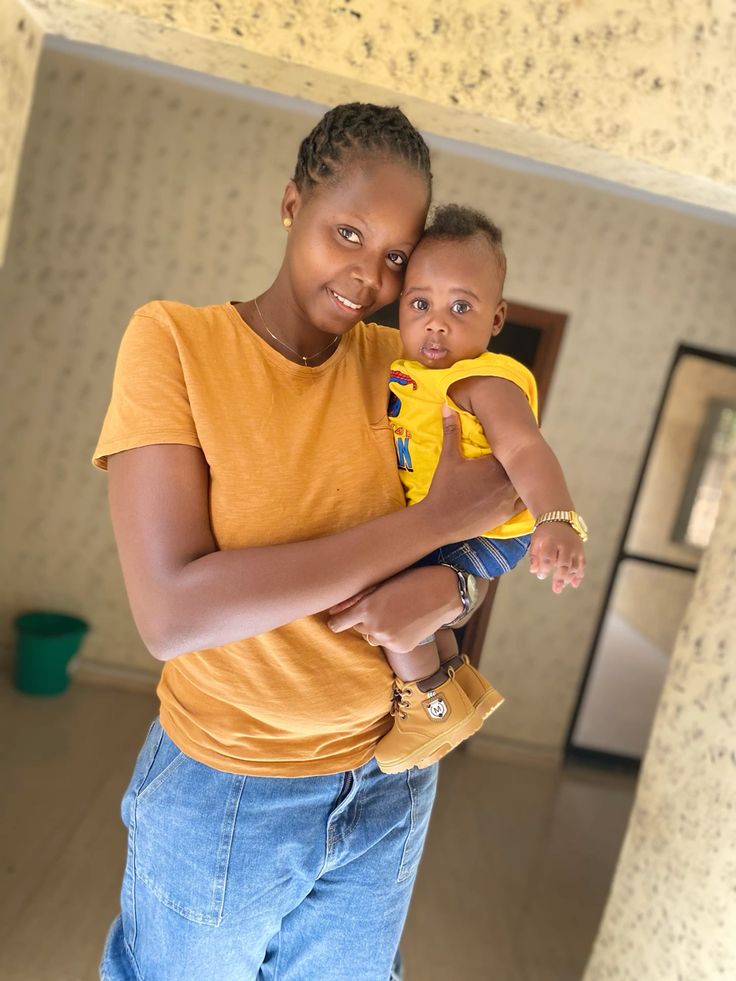
“I feel like I’m going to die and leave my baby with her father, and that thought terrifies me. The thought comes in waves; one moment I am okay, the next these wild intrusive thoughts cloud my mind and my heart races, and I feel overwhelmed with fear.” She shares.
“In those moments, I try to calm myself, but it is not easy. Even when nothing is wrong, my body reacts as though there is danger. I stay alert, I keep checking on my baby, and I struggle to relax. It feels exhausting, like I am constantly fighting my own mind.” She continues.
Amina’s experience is not isolated. Many new mothers quietly go through similar episodes of intense fear and physical anxiety, but struggle to speak about it. Because postpartum anxiety is often misunderstood or mistaken for normal stress after childbirth, many women do not seek help. Instead, they internalize the experience, enduring it alone while continuing to care for their babies. This silence allows the condition to remain hidden, even as it affects daily life, emotional wellbeing, and maternal confidence.
For Sarah, a mother of two, postpartum anxiety was evident in her two pregnancies. With her first baby, she did not really understand what was happening to her. She felt a lot of fear, worry, and tension in her body, but she kept it to herself and tried to push through each day.
“I just thought it was normal after giving birth,” she says. “I was constantly anxious, always expecting something bad to happen, but I did not have the words for it. I didn’t know it was something that could be explained or even helped. I just thought maybe this is how motherhood feels for everyone, so I stayed quiet and dealt with it alone,” Sarah intimated.
With her second pregnancy, she noticed the signs early. It was still hard, but this time she understood what was happening and reached out for help sooner.
“I could recognize it this time. The fear, the racing thoughts, the way my body felt on edge all the time, I knew it was not just normal stress anymore. It was still difficult, but I was not as lost in it. Having that awareness made a difference for me. I could breathe a little more and ask for help instead of just suffering in silence,” she shared further.
In Nairobi, postpartum anxiety remains a hidden burden for many new mothers, often overshadowed by physical recovery and economic pressures. A comparative study conducted at Kenyatta National Hospital’s new-born unit and a local health centre, found that 35.1% of mothers screened positive for postpartum anxiety symptoms overall, with 75% of those cases occurring among mothers of preterm infants. This highlights how urban facilities in the capital are seeing elevated risks, particularly when births do not go as planned.
The lack of awareness around postpartum anxiety does not only affect mothers, it also extends to families and society at large. When it goes unrecognised, partners and relatives may misunderstand the condition, sometimes interpreting it as overthinking, weakness, or normal new-parent stress. This can create distance within families and leave mothers feeling isolated at a time when support is most needed. At a broader level, unaddressed maternal mental health challenges can affect early child bonding, family stability, and overall well being, making awareness and timely support essential not just for mothers, but the overall health of families and communities as a whole.
Postpartum anxiety also needs to be understood within Kenya’s broader commitments to health and social wellbeing. The Constitution of Kenya guarantees every person the right to the highest attainable standard of health, including reproductive health care, and places a duty on the State to protect and fulfil that right. This aligns with Sustainable Development Goal 3, which calls for healthy lives and wellbeing for all at all ages and specifically includes the promotion of mental health and wellbeing. It also speaks to Kenya’s Vision 2030, whose social pillar seeks equitable and inclusive development, and a high quality of life for all citizens.
So if these policies exist on paper, in black and white, why is Amina still suffering? The answer lies in the yawning chasm between policy and practice. Kenya’s Mental Health Action Plan 2021–2025 calls for routine screening and integration into maternal service. Yet in Nairobi’s public facilities, routine postnatal anxiety screening is still not standard. Providers lack training. Stigma silences mothers. High-risk groups such as preterm mothers, and women in slums, fall through the cracks because the system remains focused on physical complications while mental ones go unmeasured and untreated.
The human cost is devastating. Untreated postpartum anxiety ripples outward: strained mother-infant bonding, delayed child development, lost economic productivity, and added pressure on already overburdened county health services. For Amina, it means sleepless nights, constant worry, and the quiet fear that she is failing her baby, despite a Constitution that says her health, including her mental health, is a right, not a luxury.
Postpartum anxiety is not uncommon, but it is often unspoken and unaddressed. Many mothers continue to struggle quietly with fear, intrusive thoughts, and emotional exhaustion while caring for their children. Addressing this gap requires more awareness, stronger community support, and better access to maternal mental health services. When postpartum anxiety is recognized early, and met with understanding and care, mothers are better supported to recover, and families are strengthened in the process.


 Radio Baraza