



By Amondi Arika, DevReporter Nairobi

Key highlights
- The hidden nature of postpartum anxiety.
- “When support is missing, emotional burden grows…” Cynthia Auma
- Kenya’s constitution on postpartum anxiety
For many women, bringing a baby home marks the beginning of a joyful new chapter. For others, it is the start of a silent battle that few people see and even fewer understand.
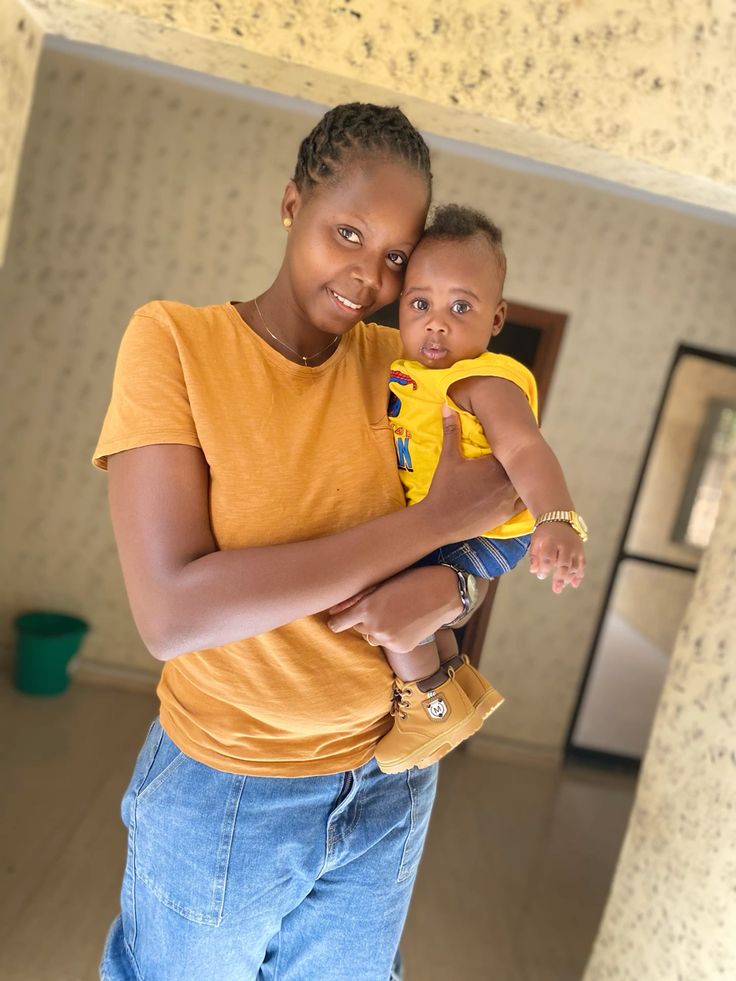
Every night, Amina a first time young mother in Fedha, Nairobi, checks on her baby more times than she can count. She watches every breath, listens for every sound, and struggles to convince herself that everything is okay. Yet despite the reassurance around her, the fear never fully fades.
“I feel like I’m going to die and leave my baby with her father, and that thought terrifies me,” she says. “One moment I’m okay, the next, these intrusive thoughts cloud my mind and my heart races.”
To those around her, she looks like a devoted first-time mother. What they cannot see is the constant anxiety that follows her through each day. The racing thoughts, the tightness in her chest, the overwhelming need to stay alert, and the exhaustion of living as though danger is always just around the corner.
Amina is living with postpartum anxiety, a maternal mental health condition that remains largely invisible despite affecting many women after childbirth. Unlike the normal worries that accompany caring for a newborn, postpartum anxiety is marked by persistent fear and hypervigilance that can interfere with a mother’s well being long after delivery.
Community health worker and mental health researcher, Cynthia Auma, says that the condition is more common than many people realize, particularly in busy urban settings such as Nairobi.
“Mothers often come to our clinics focused entirely on their baby’s physical health,” she explains. “Behind the smiles and the newborn checks, many are quietly battling constant worry, fear, or overwhelming fatigue. When that support is missing, the emotional burden only grows.”
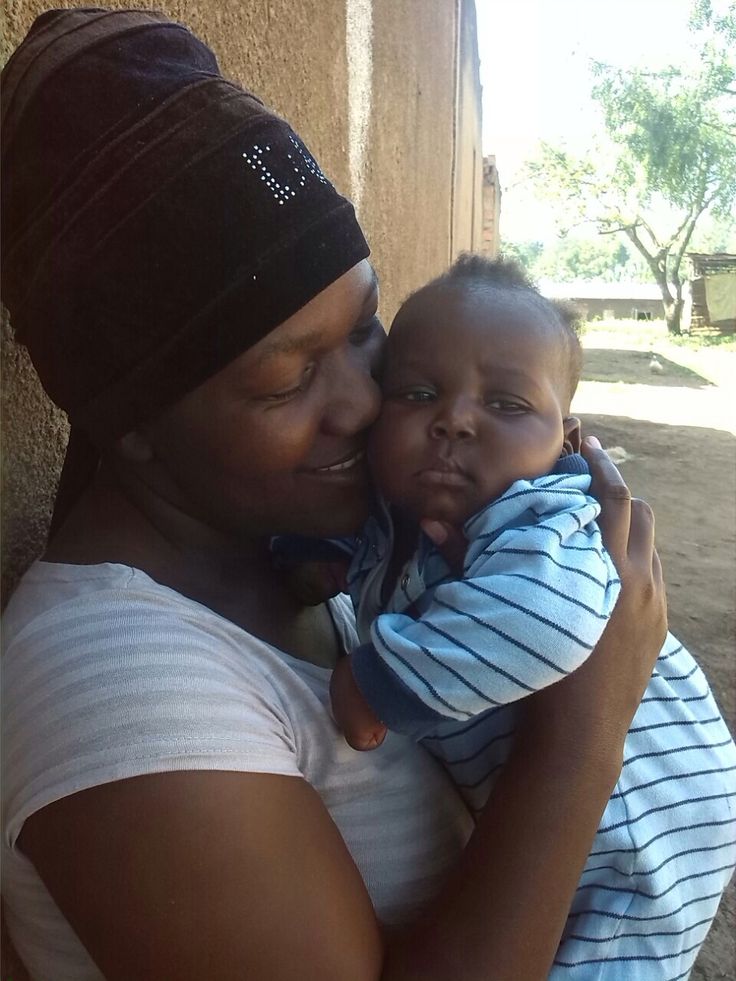
For Sarah, a mother of two, those words resonate deeply. During her first pregnancy, she dismissed her symptoms as part of adjusting to motherhood.
“Having that awareness made a difference,” she says. “I wasn’t as lost in it because I knew I didn’t have to suffer alone.”
Their experiences reflect a wider challenge facing maternal healthcare in Kenya. Research conducted at Kenyatta National Hospital’s newborn unit and a local health centre, found that more than one in three mothers screened positive for postpartum anxiety symptoms, with mothers of preterm babies facing the highest risk. Yet routine screening for postpartum anxiety is still not part of standard postnatal care in many public health facilities.
“I thought it was normal after giving birth,” she recalls. “I was always expecting something bad to happen, but I didn’t know there was a name for what I was feeling.”
By the time she had her second child, she was able to recognise the warning signs and sought help much earlier.
Kenya’s Constitution recognises the right to the highest attainable standard of health, while the country’s Mental Health Action Plan calls for integrating mental health into routine healthcare. For many mothers, however, these commitments have yet to translate into everyday care.
Postpartum anxiety is not a sign of weakness, nor is it simply part of becoming a mother. Like any other health condition, it deserves recognition, understanding, and timely support. Because when mothers are cared for, families and communities are stronger too.



 Radio Baraza

