


By Sefu Sabila, DevReporter, Trans Nzoia County
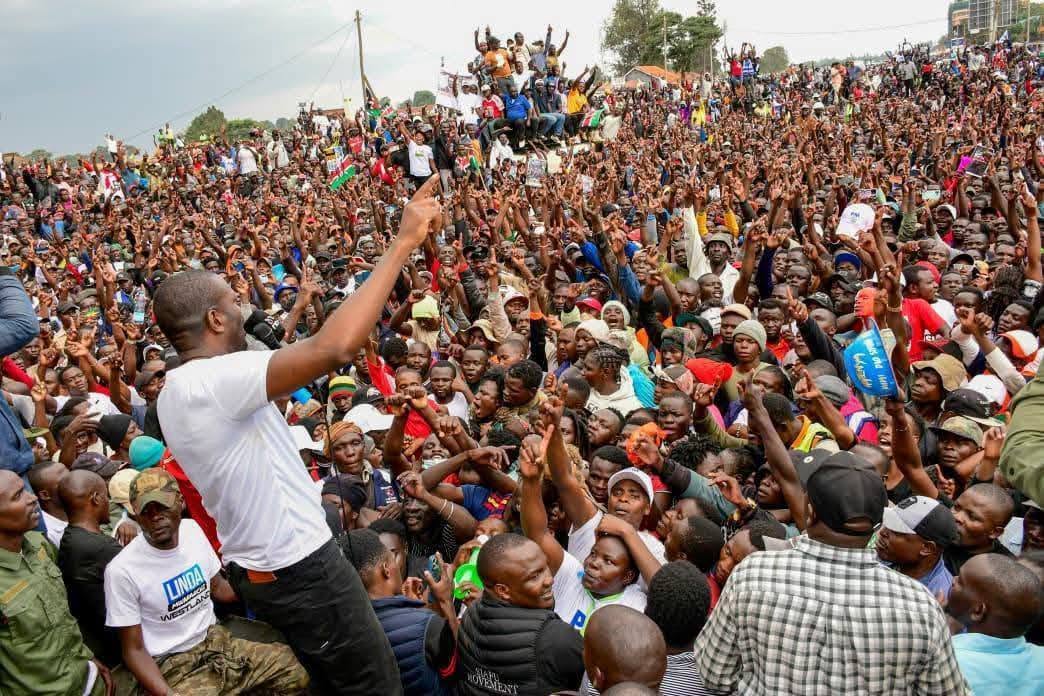
As Kenya inches closer to the 2027 General Election, a quiet but determined movement is taking shape among grassroots women. For years, many have played central roles in political campaigns as mobilizers and voting blocs, yet they remain underrepresented in elective leadership and decision-making. Now, women in Trans Nzoia are calling for greater political participation—not only as voters but also as leaders shaping the country’s future.
According to the 2019 Kenya Population and Housing Census, women account for about 3.4 million of the estimated 6.8 million people in the Luhya community. Despite these numbers, their representation in elective leadership remains low, with many women still disengaged from the electoral process despite years of civic education on the importance of voting.
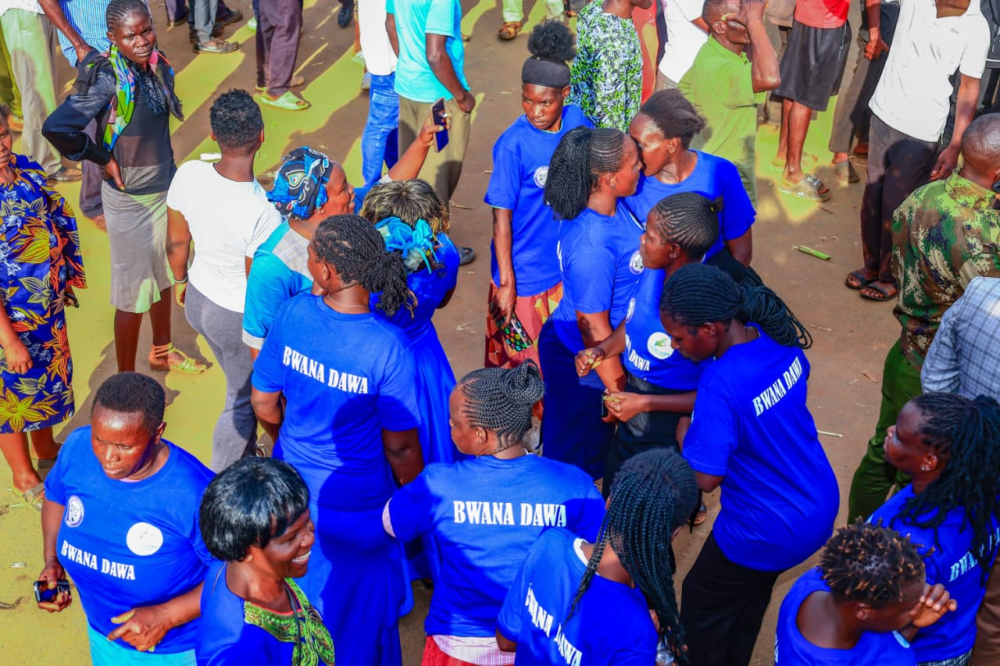
For some women, years of unfulfilled political promises have eroded confidence in elections.
Habiba Kandie, a resident of Hospital Ward in Kiminini Constituency and a Mama Fua (mobile laundry worker), says she has never voted despite being eligible for years.
“I don’t see the need to wake up early and vote when Kenyans keep electing leaders that work for themselves. Good leaders fail to emerge because they lack financial capabilities. They are undermined as they cannot give handouts at rallies. Elected women leaders are too proud to support women at lower levels. Whether I vote or not the situation is the same!” Kandie stated.
Although she recently registered as a voter during the Independent Electoral and Boundaries Commission (IEBC) voter registration drive, Kandie says she is still unconvinced about casting her ballot in 2027.
Sarah Muliro, a voter and youth leader from Matisi, shares similar frustrations alongside Dorcus Khayumbi and Grace Simiyu. They argue that many women elected to leadership positions have failed to uplift grassroots women, leaving many disillusioned with the political process.
“I don’t believe in women’s leadership as they fail to support us. They have been used as manipulative tools because of their vulnerability in the society. Despite being custodians in sustaining the society, Women have been neglected and deemed weak to hold office. But it is time for change,” Muliro said.
The women say that they are often valued during campaigns because of their ability to mobilise voters, but rarely included in meaningful decision-making once elections are over.
Others point to leadership culture itself. Moses Kapten argues that women sometimes fail to support one another. On the other hand, men fear being outperformed by female leaders and hence end up creating barriers to women’s political advancement.
Dickson Masika, on the other hand, dismisses claims that inadequate resources are the main obstacle, arguing that funds allocated through the National Government Affirmative Action Fund (NGAAF), are sufficient to support registered women’s groups and community projects if effectively utilised.
According to the IEBC’s gender-disaggregated voter register for the 2022 General Election, Trans Nzoia County had 398,981 registered voters, including 188,763 women and 210,218 men. Women made up 47.3% of registered voters compared to 52.7% for men, highlighting a gender gap in voter registration and the need to strengthen efforts to increase women’s participation in future election.
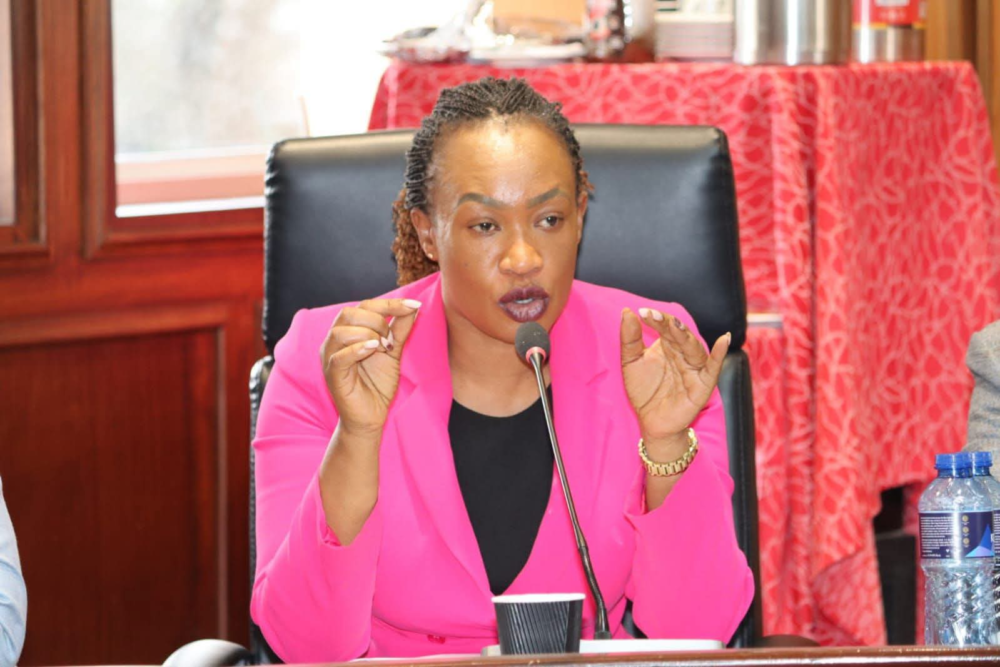
Building a new generation of women leaders
As preparations for the 2027 elections gather momentum, women leaders in Trans Nzoia have begun organising forums aimed at increasing grassroots participation in politics and encouraging more women to seek elective positions.
The meetings seek to transform women from campaign mobilizers into active decision-makers capable of influencing policies and development priorities.
Jane Nafula, a trader and aspiring Woman Representative, urged women to reject stereotypes portraying them as politically unreliable and instead, unite behind capable female candidates.
According to her, inferiority complex has worked in the benefit of men, who trample on them during elections and in other leadership positions. She also challenged the Luhya community to overcome divisions that have historically weakened its political influence.
“Let us be firm and demand respect. Can we be awake and clean the path for our own status as a community in national politics?” Nafula posed.
Kenya National Union of Teachers (KNUT) official, Patricia Melissa, and gender activist, Justina Siti, encouraged women to actively pursue leadership positions while building integrity, resilience and mentorship networks.
“Develop integrity; it builds trust and earns respect. It defines your legacy. Without it, leadership lacks meaning,” she said.
Siti noted that women seeking political office often face gender stereotypes and greater scrutiny than their male counterparts, making character and perseverance essential qualities for aspiring leaders.
Leadership expert, Jacob Lusweti, also encouraged women to contest elective positions, arguing that greater female representation would strengthen democratic governance.
He cited findings from the 2026 Ethics and Anti-Corruption Commission (EACC) report on corruption trends in 2025, noting that fewer women were implicated in corruption-related cases than men, suggesting women can make a positive contribution to public leadership.
Siti further urged women and young people to register as voters, warning that low voter registration among the two groups could weaken their influence in determining the country’s political future.
“We have been urged as leaders to be teachers to the rest of our women. Come out in public forums and encourage women and youth to register,” she said.
Election analysts have similarly warned that declining youth and women’s voter registration and turnout could reduce their ability to influence electoral outcomes and ensure their priorities are reflected in government.
Legal framework and remaining barriers
The women’s campaign comes as Kenya continues to struggle to fully implement the constitutional requirement that no more than two-thirds of elective and appointive positions be occupied by one gender. More than a decade after the promulgation of the 2010 Constitution, the principle remains largely unmet.
The campaign also aligns with Sustainable Development Goal (SDG) 5 on gender equality and SDG 10 on reducing inequalities by promoting equal participation of women in leadership and decision-making.
Progress has nevertheless been recorded. Following the 2022 General Election, Kenya elected five women governors, while the number of women Members of Parliament also increased. Key national institutions, including the Judiciary, are currently led by women.
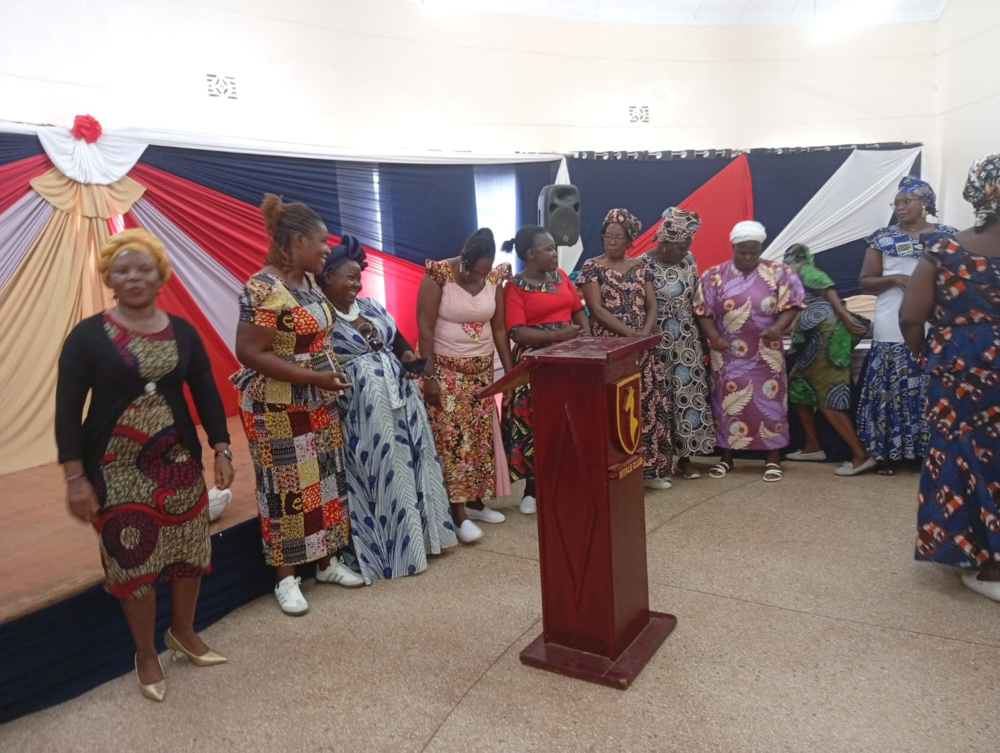
Women leaders, led by Janerose Mutama, during a meeting to rally grassroots women’s participation in elections. Photo: Sefu Sabila.
Despite these gains, participants acknowledged that cultural practices, patriarchal attitudes, family responsibilities, tribal divisions and internal political rivalries continue to discourage many women from seeking elective office.
Melissa observed that sub-tribal politics have often undermined collective progress, while Trans Nzoia County Chief Officer for Education, Janerose Mutama, challenged women to support one another instead of pulling each other down.
“We do not support our own. Women from other communities take pride in their own, but for us, we work in ensuring we all do not get it,” Mutama observed.
The leaders also called on established professionals and political leaders to support women-led platforms that promote mentorship, civic education and networking, while encouraging women to remain politically informed and resist manipulation.
For the women gathered in Trans Nzoia, the journey extends beyond winning elective seats. It is about ensuring that women, from urban centres to remote villages, have a meaningful voice in shaping the future of their communities and the nation.
While women like Kandie, Khayumbi and Grace, remain cautious about female leadership, there are signs of changing attitudes. Their growing willingness to engage in political conversations and voter registration reflects a slow but important shift towards greater participation, with the hope that stronger representation will translate into leadership that responds to the needs of grassroots women.

 Radio Baraza
