


By Grace Wamaitha DevReporter, Nakuru County
Highlights
- Mercy’s journey of feeding four babies
- The exhaustion behind exclusive breastfeeding
- Learning to breastfeed twins
- A mother’s fear that her milk was not enough
- Why breastfeeding mothers need support
The advice is familiar to millions of mothers around the world: exclusively breastfeed a baby for the first six months.
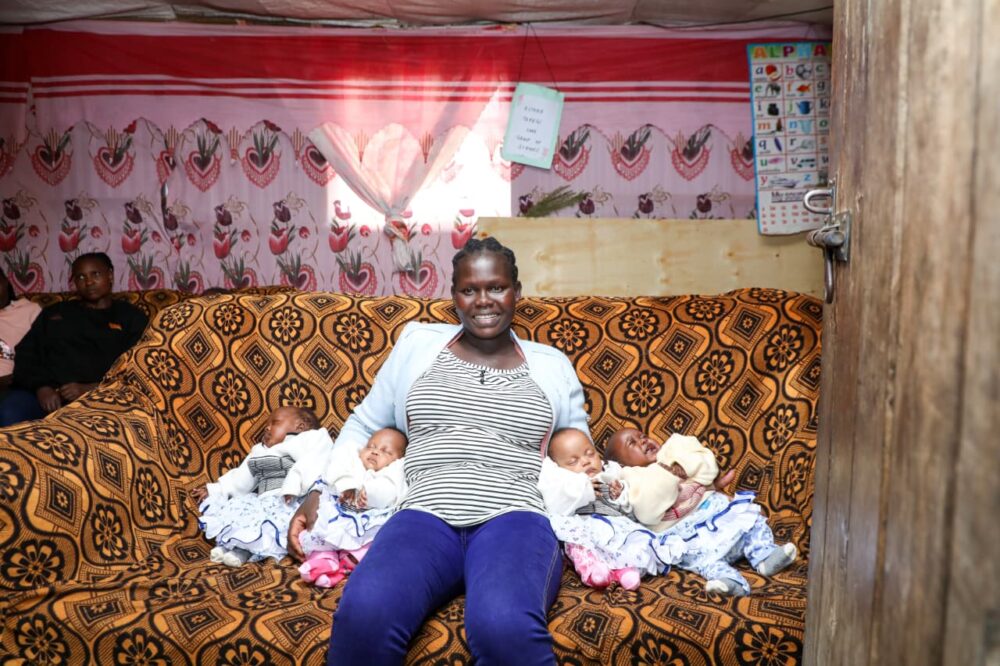
But for Mercy Chepkemei, the recommendation came with an extraordinary challenge. She had four babies to feed.
After giving birth to quadruplets at Nakuru Provincial General Hospital in Kenya, Mercy quickly learned that breastfeeding four newborns required time, strength, patience and support.
“I had a challenge, especially because I gave birth to four children at once. It was difficult to breastfeed because it was tiresome,” she said.
For Mercy, support made breastfeeding more manageable. Her experience showed the importance of family support when mothers faced the demands of breastfeeding multiples.
Learning to feed two
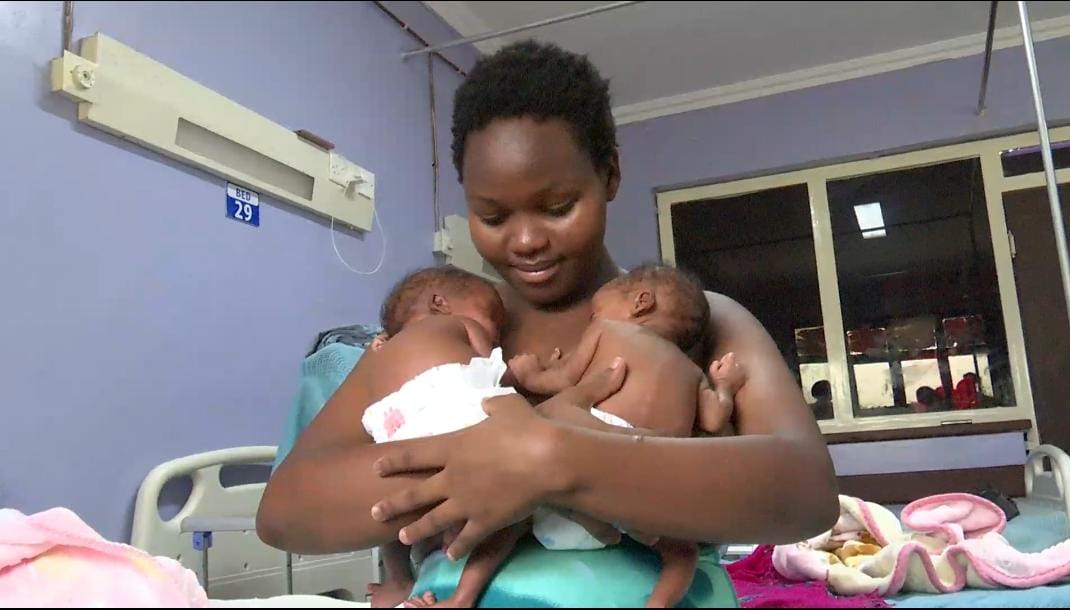
Twenty-two-year-old Mitchel Chepchumba from Mogotio, also had to adjust to life with more than one newborn after giving birth to twins.
“At first, it was not easy breastfeeding two babies. I had to learn how to hold them properly, position them well and make sure each baby was feeding safely,” Mitchel recalled.
What initially felt overwhelming slowly became manageable. Mitchel said her twins were breastfeeding well.
When the milk seemed not to be enough
For Maurine Mweni, breastfeeding brought a different kind of uncertainty.
As a first-time mother, she worried during the first month that she was not producing enough milk.
“Seeing my baby’s weight increase from 1.4 kilograms to 1.7 kilograms, gave me confidence. It reassured me that breastfeeding was helping my baby grow,” she said.
Her experience showed why mothers needed access to qualified health workers who could assess breastfeeding concerns and offer guidance.
The wider picture
Mercy’s experience was unusual because she had four babies to breastfeed. But the challenge of continuing exclusive breastfeeding was not limited to mothers of multiples.
According to Kenya National Bureau of Statistics, 2022 Kenya Demographic and Health Survey about 6 in every 10 babies aged below six months in Kenya were exclusively breastfed.
At Nakuru Provincial General Hospital, breastfeeding support was part of maternal and newborn care through the Baby-Friendly Hospital Initiative (BFHI).
Veronicah Ongwae, nurse manager at the hospital’s mother and Baby Wing, said that training clinical and non-clinical staff, and educating mothers, had helped reduce the number of mothers requiring breast-milk substitutes.
For some mothers, support meant learning how to position a baby correctly. For others it meant having someone help with the newborns or a health worker willing to listen when breastfeeding became difficult.
The mother needed care, too
A woman who had just given birth was recovering physically while adapting to the demands of caring for a newborn or, in Mercy’s case, four newborns.
Though their circumstances were different, their experiences pointed to the same reality; breastfeeding does not happen in isolation. It happens in homes, hospitals and communities, where family members and health workers can help mothers overcome challenges.
Four babies. Two babies. One baby.
Sometimes, what a breastfeeding mother needs most is not another instruction, but the support to make it possible.
Help us keep you posted! Join our community today!

 Radio Baraza
