


Sophia Abdhi, DevReporter, Mombasa County

In Summary
- In Mombasa County alone, about 3,001 cases of child abuse were reported between July 2023 and June 2024.
- The work of “Mama Mlezi” aligns with Kenya’s Constitution, Vision 2030, and global child development goals
- By offering safe, community-based care, they support early childhood development, strengthen child protection.
At dawn, before the city of Mombasa fully wakes, Dina Koki Mtinda opens her door.
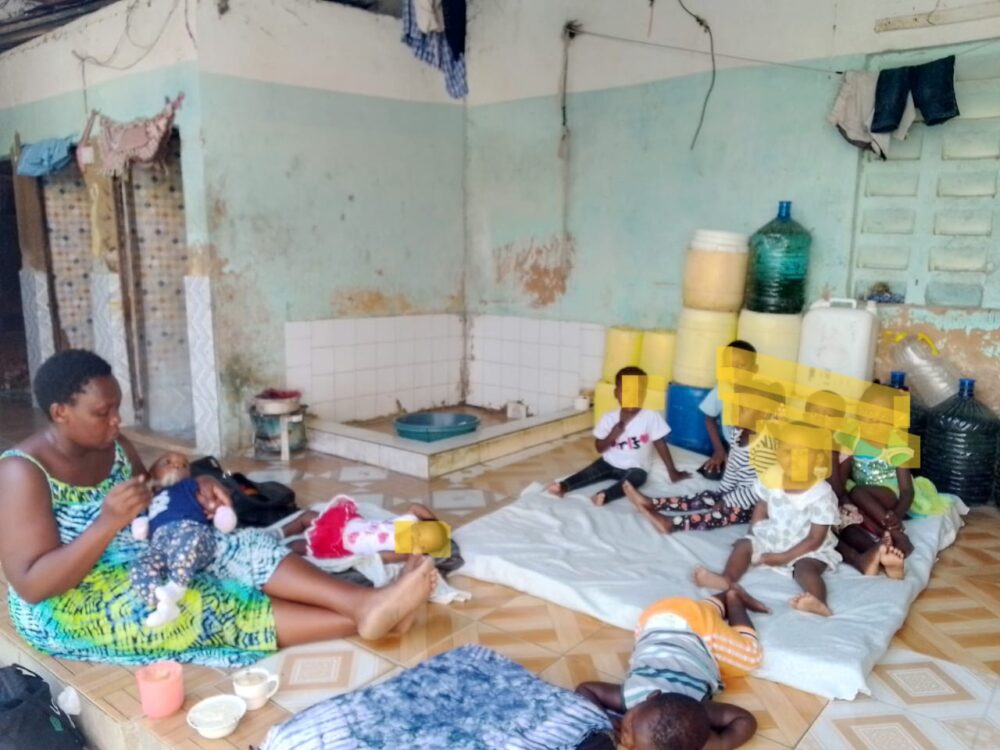
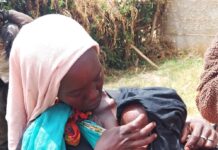
Small children begin to trickle into her modest home in Nyali Sub-County, some clinging to their mothers’ skirts, others half-asleep on caregivers’ shoulders. By 6:00 a.m., the house is alive with soft cries, laughter, and the patter of tiny feet. For the next several hours, this space will serve as a safe haven for children whose parents must leave them early to earn a living.
This is the daily reality of a Mama Mlezi, a home-based caregiving service that provides informal child-care to families navigating poverty, single parenting, and demanding work schedules. In communities where affordable and accessible childcare is scarce, women like Dina are quietly filling a critical gap.
Dina, 41, had never planned to become a caregiver to dozens of children. Her journey began when she rescued two newborns abandoned near a dumping site in her neighborhood. After reporting the case to local authorities and receiving permission to care for the infants, she began to see a larger problem and a greater need.
“Women would come to me asking if I could help watch their children while they went to work,” Dina recalls. “That’s when I realised, that I could support not just the children, but their parents too.”
Today, Dina cares for 37 children aged between zero and three years, including four with special needs. For a daily fee ranging from KSh 60 to 150, she provides feeding, bathing, early learning activities, and basic health monitoring services that many parents would otherwise be unable to afford.
In Kenya, childcare is often viewed as a private family responsibility. Yet for many urban households, particularly in informal settlements, this expectation is unrealistic. According to the Department of Children Services, only about 1,600–1,900 registered foster parents exist nationwide, caring for just over 1,000 children who, for one reason or another, cannot live with their biological families.
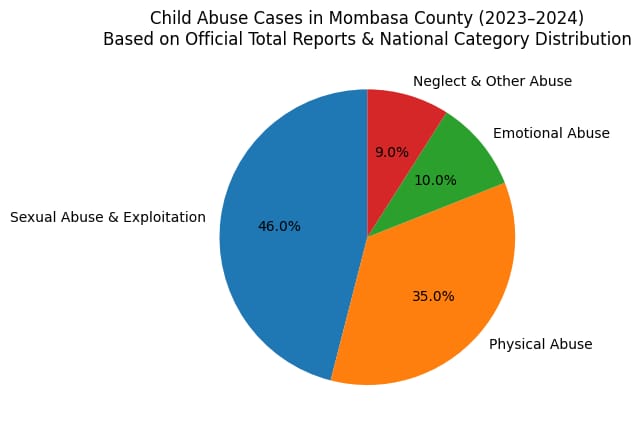
The risks of inadequate childcare are evident. In Mombasa County alone, approximately 3,001 cases of child abuse were reported between July 2023 and June 2024, according to national data. Many of these cases are linked to neglect, poverty, and the absence of safe childcare arrangements when parents leave children unattended.
Mama Mlezi services is a direct response to this gap. By providing safe, community-based care, they support early childhood development, strengthen child protection, and enable women, especially single mothers, to participate in the economy without compromising their children’s safety.
For parents like Amina, a divorced mother of two from Likoni Sub-County, Mama Mlezi services are a lifeline. Surviving on irregular income as a casual domestic worker, she cannot afford a nanny.
Annita Mbodze explains why she quit her job after reports of sodomy and defilement emerged in her neighborhood.
“I used to leave my four-year-old alone with food prepared overnight,” she admits. “After what happened to my neighbors’ children, I couldn’t risk it anymore.”
Three months later, Annita found a Mama Mlezi near her home. “My child is happy, relaxed, and protected, that peace is priceless.” She shares.
Despite their impact, most Mama Mlezi caregivers operate informally. Many lack formal training, standardized regulation, or clear reporting mechanisms in cases of abuse or negligence. Parents and experts agree that this must change.
Dr. Grace Njogu, CEO of Nature First, notes that early childhood is a critical stage requiring informed care.
“Home-based childcare can be effective, but caregivers need training in child protection, nutrition, first aid, and psychosocial support. Good intentions alone are not enough,” she explains.
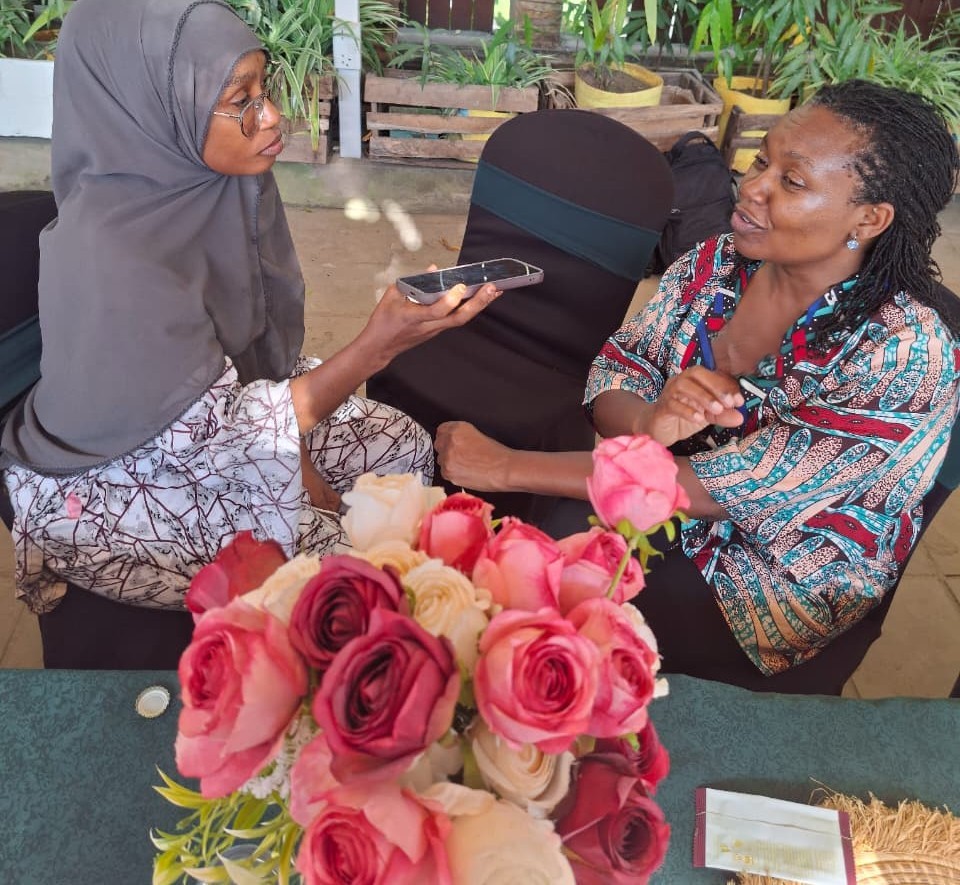
Through partnerships, organisations like Nature First are working to professionalise Mama Mlezi services by equipping caregivers with skills in early childhood development, safety, financial literacy, and social-emotional learning.
Their work aligns with Article 53 of Kenya’s Constitution, Vision 2030’s Social Pillar, SDG 3 (Good Health and Well-being), and SDG 4.2 (Early Childhood Development). Yet Mama Mlezi services remain largely invisible within formal child protection systems.
Still, their quiet impact is growing. Communities report reduced cases of neglect and abuse, contributing to broader child protection efforts such as the Anti-Human Trafficking and Child Protection Unit in Mombasa, established in December 2025.
For Dina, recognition came when she was named Best Home-Based Caregiver in the Coast Region. She however insists that the work is not about awards.
“When children sleep here safely,” she says, “I know I’ve done something right.”
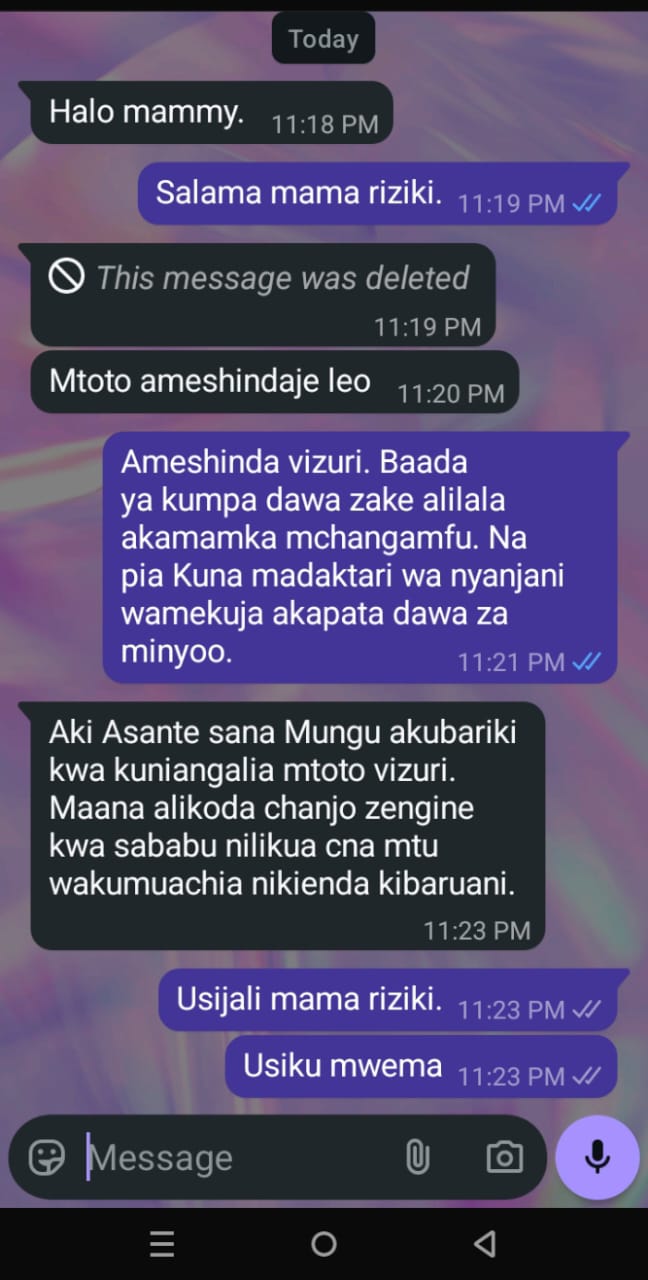
Mama Mlezi caregivers may not wear uniforms or hold official titles, but their role is undeniable. They are community-led solutions to a national challenge, protecting children, supporting parents, and shaping safer futures, one child at a time.

 Radio Baraza