


By Brian Gitonga, DevReporter, Meru County

In Summary
- Youth unemployment in Kenya stands at 12.7 percent, pushing many to seek opportunities outside formal jobs.
- The jua kali shoe-making industry in Meru County provides skills, income, and a path to self-reliance for young people.
- Mentorship from experienced craftsmen like Nicholas Muthamia equips youth with lifelong skills and resilience.
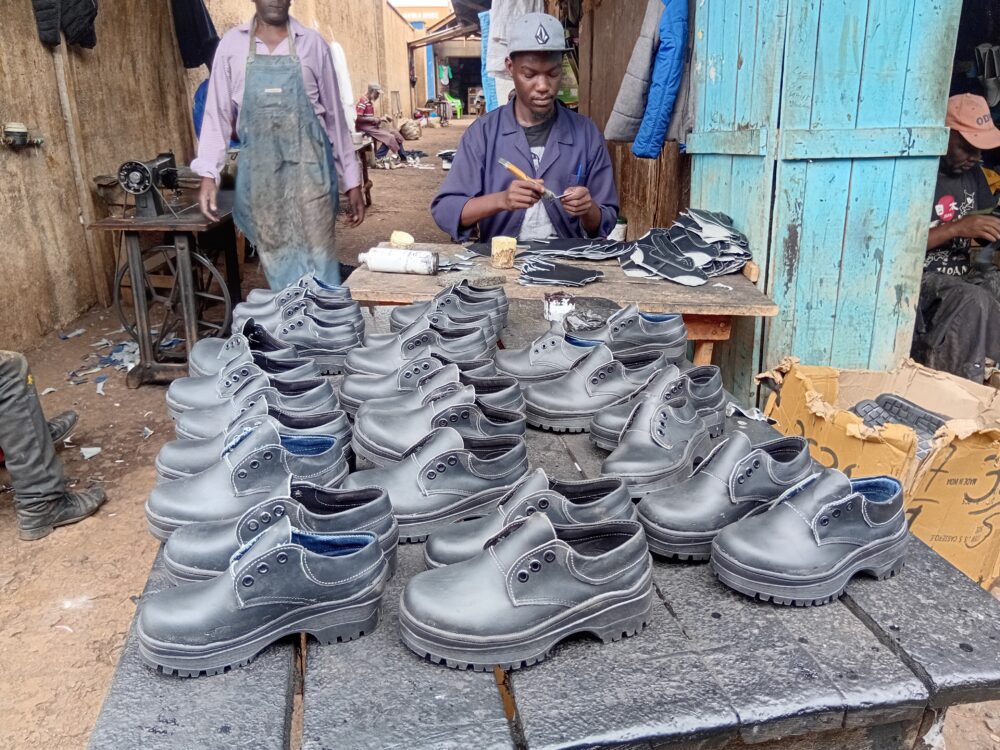
With youth unemployment at 12.7 percent, according to the Federation of Kenya Employers, many young Kenyans are exploring opportunities outside formal employment. In Meru County’s Marikiti Market, this has led many to shift focus from white-collar jobs to the jua kali shoe-making industry.
Guided by experienced craftsmen like Nicholas Muthamia, who has trained dozens of young people, these youths are acquiring valuable skills and creating new avenues to earn a living.
Learning the Trade
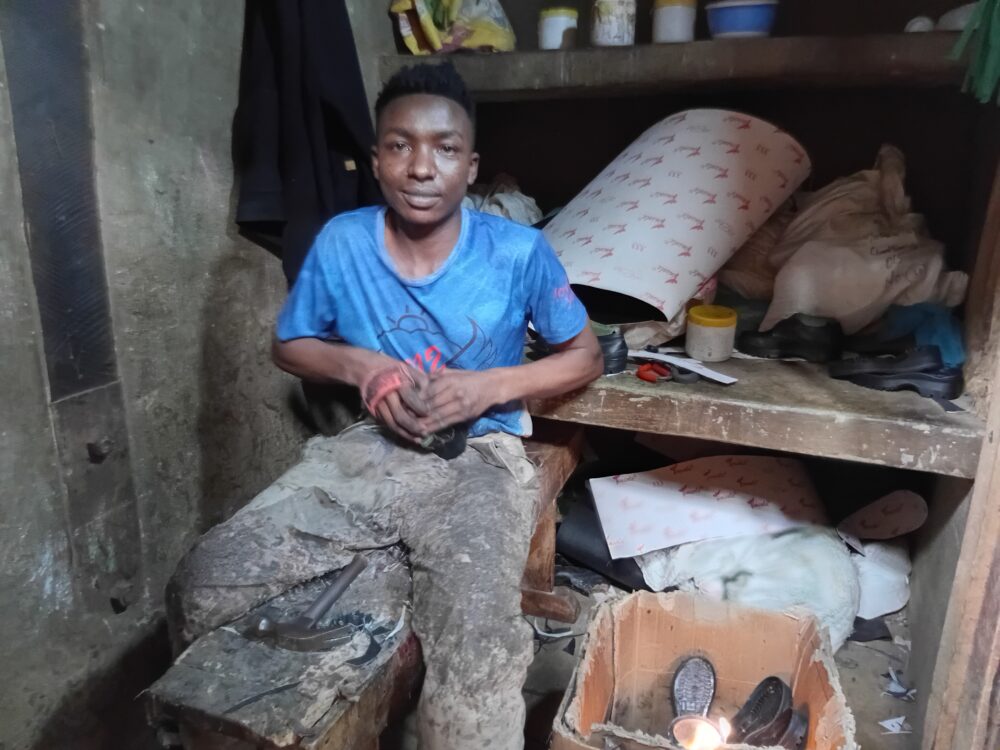
Newton Mutembei, 20 years old, has been making shoes for three months since Nicholas Muthamia began mentoring him at Marikiti Market. He recalls the struggles after finishing high school, noting that the skills he has learn have transformed his life in a big way.
“Life was really hard after high school. Nicholas taught me to make shoes in two months, and I’ve been doing it for three months. With hard work, a good month can earn up to thirty thousand shillings, and the work pays well if you believe in yourself,” said Newton.
A Reliable Craft in an Uncertain Economy
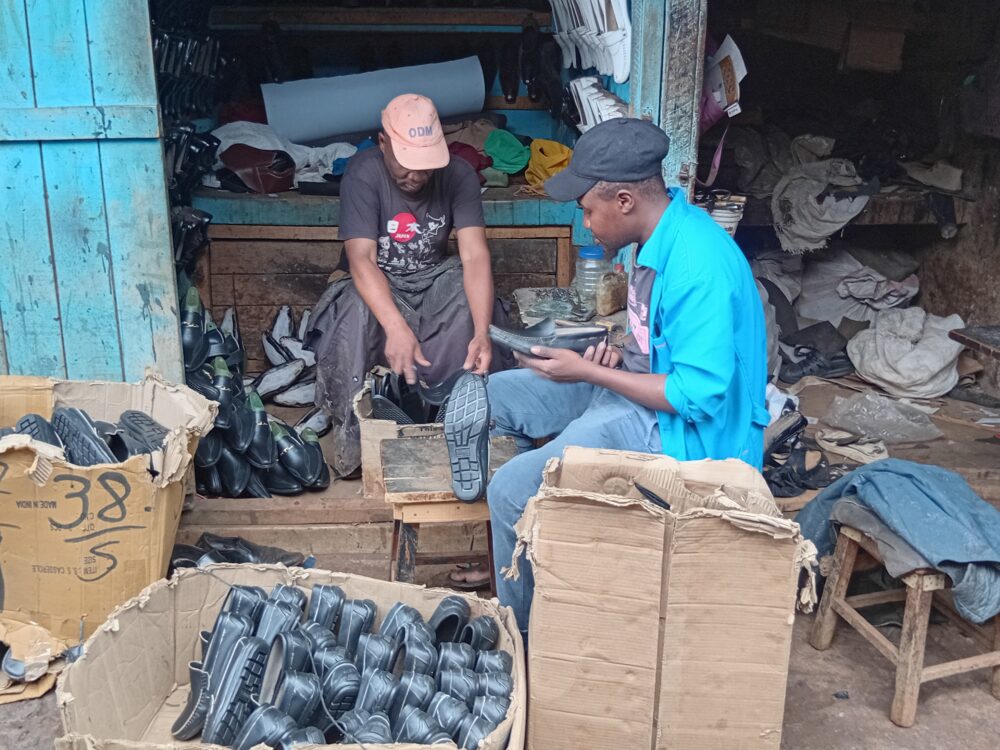
Nahashon Murega, 35, has been learning and practicing shoemaking under Nicholas Muthamia for fifteen years. He says the work is reliable and provides steady income, helping reduce poverty, in line with SDG 1, and promoting decent work and economic growth, in line with SDG 8. However, he decries the desire by many youths prefer for quick money.
“It’s reliable, and it helps me support my family, but many youths want fast cash, and hence lose interest in such work very quickly” explains Nahashon.
Shaping Young Talent
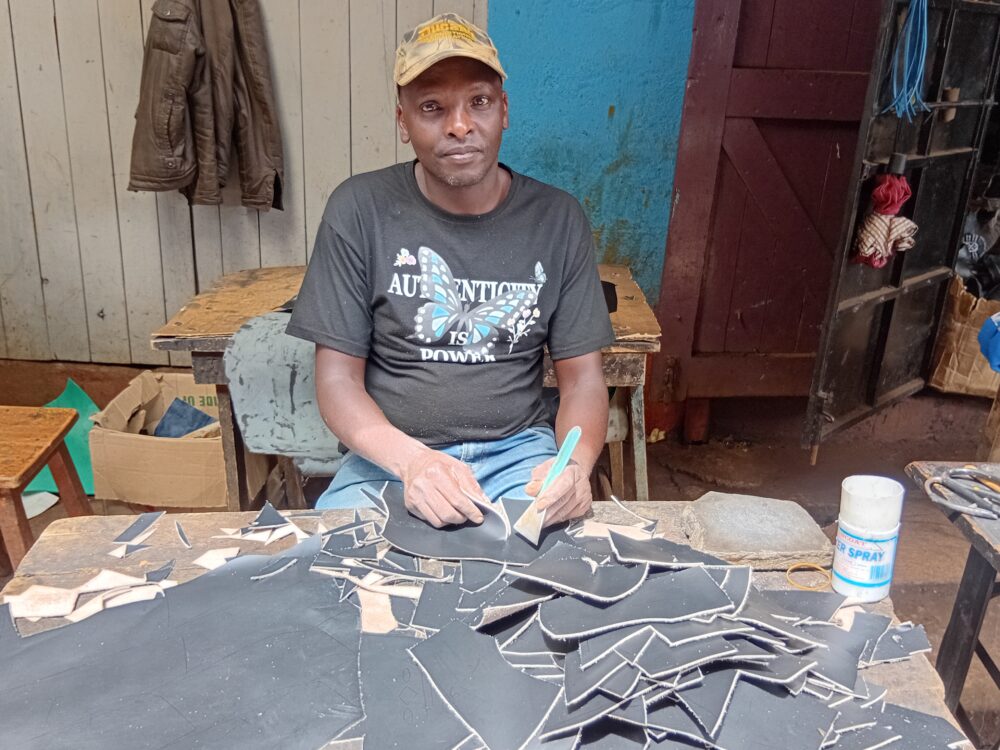
Nicholas Muthamia has spent over 25 years making shoes, a trade that has transformed his life; helping him educate his children, buy land, vehicles, and build his home. Once seen as a “dirty” job, shoemaking is gaining popularity, and this year he has mentored over thirty young men eager to learn the craft.
He also explains the shoe making process noting that the lack of government support is a key challenge affecting the sector.
“We source leather from Nairobi’s Industrial Area and soles from companies like World Boot Industries. We design, cut, sew, shape, and attach the sole ourselves. So far, we’ve had no government support and rely on bank loans, but with backing, the jua kali shoe-making industry could achieve much more,” says Nicholas.
County Government’s Response
Trade, Tourism, and Cooperatives CECM Rev Carol Kaberia terms the shoe-making industry in Meru a key contributor to the county’s economic growth while outlining the support of the county government to the youth as mandated in Article 55 of the Kenyan constitution.
“The County Government of Meru values the youth’s work in the shoe-making industry, which contributes significantly to the county’s revenue. We encourage young people to embrace humble beginnings and assure them that the government is ready to support this sector despite present challenges,” said Kaberia.
Over to you
While the jua kali sector builds skills and self-reliance, limited customers, high taxes, and little government support slow growth. Even small interventions like market access, training, or funding could expand opportunities for youth.



 Radio Baraza