


By Amy Moyi, DevReporter, Kajiado County

Key Highlights
- Farmers in Kajiado County are shifting from pesticides and synthetic fertilizers to organic farming methods.
- Both farmers and consumers are benefiting from organic agriculture.
- This transformation is driven by Community Sustainable Agriculture and Healthy Environment Programme (CSHEP) Kenya, which has trained over 4,500 farmers in the area.
- The growth of organic farming in Kajiado aligns with Kenya’s commitment to the United Nations Sustainable Development Goals (SDGs) aimed at promoting safe, chemical-free agriculture.

In Kajiado County, a new form of farming is emerging that enhances health and boosts incomes.
Throughout Kiserian town and beyond, farmers are moving away from pesticides and synthetic fertilizers in favour of organic practices, supported by training from the Community Sustainable Agriculture and Healthy Environment Programme (CSHEP) Kenya. CSHEP is a community-based organisation dedicated to educating small-scale farmers on sustainable organic and bio-intensive farming techniques.
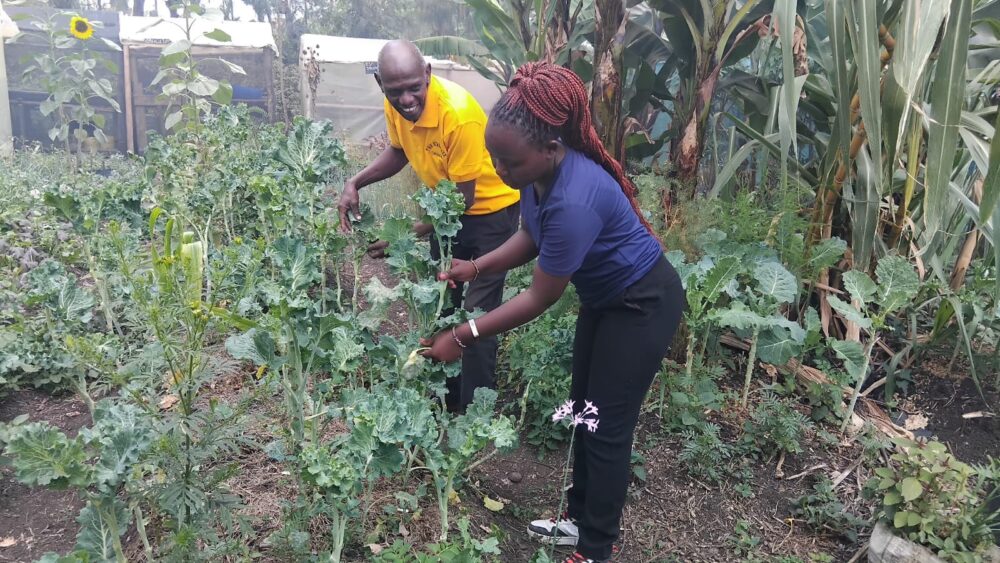
For John Wambu, a nurse turned farmer, the decision to transition to farming was driven by personal experiences. After losing his father and two brothers to heart disease and diabetes, he became convinced that diet was a crucial factor in these health issues.
“We are what we eat. Most lifestyle diseases stem from contaminated, unsafe food. Organic farming is my way of fighting back,” Wambu explained.
When the COVID-19 pandemic forced him to close his rural clinic, Wambu dug a well and established an organic farm. Today, he raises rabbits and cultivates spinach, sweet potatoes, carrots, sukuma wiki, and indigenous vegetables, supplying local markets where the demand for organic produce is steadily increasing.
Already Yielding Positive Results
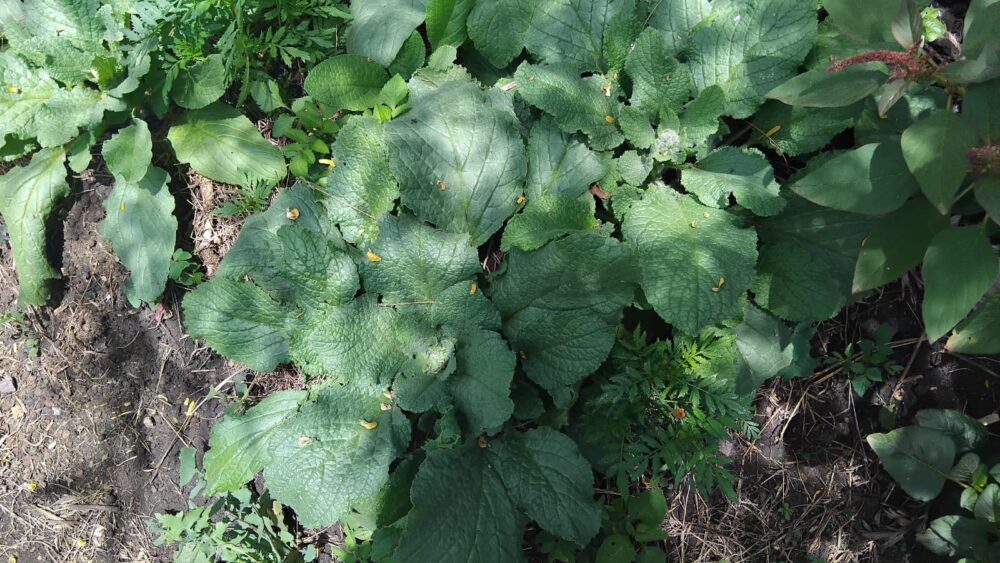
Farmers in the area report that the shift to organic methods is already yielding positive results. Wambu’s weekly harvests rarely go unsold, thanks to a loyal customer base.
Some farmers are also generating extra income by producing value-added products, such as sauerkraut made from surplus cabbages, which helps reduce waste.
Consumers are experiencing these benefits as well. Mercy Ndinda, a student at Chuka University who joined CSHEP as an intern, says how organic food has dramatically improved her health.
“I used to spend thousands of shillings on ulcer treatments. After I began eating organic herbs and vegetables, my ulcers disappeared. Organic food is medicine,” Ndinda remarked.
While organic produce may be more expensive than conventionally grown food, farmers and advocates of organic farming emphasise the long-term savings.
“Have you tried treating cancer? It is far more expensive than investing in healthy food. I encourage young people to embrace organic farming and foods for a long and healthy life,” Ndinda added.
Building Sustainable Markets
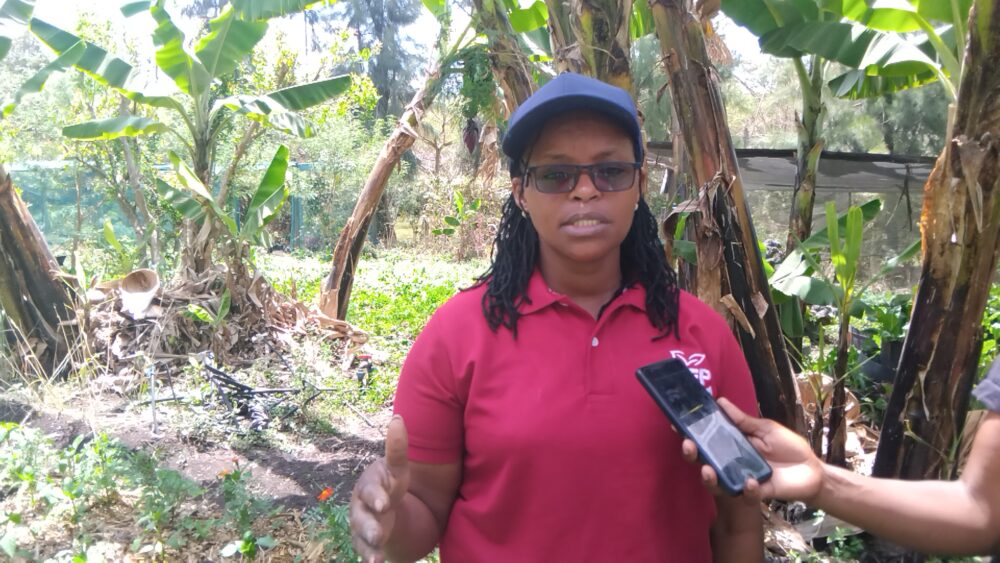
CSHEP Kenya, a non-profit established in 2010, is driving a transformation in agroecology and organic farming. The organisation has trained over 4,500 farmers in Kajiado County, providing them with a direct market to sell their produce to consumers.
To build trust within the community, CSHEP implements the Participatory Guarantee System (PGS), a model where farmers collectively monitor each other’s practices and certify their produce.
Esther Kagai, the founder and director of CSHEP Kenya, emphasises that this certification system not only assures consumers of quality but also empowers farmers to take control of their own markets.
“Organic farming is not a get-rich-quick scheme. It requires patience to rebuild the soil and reduce reliance on chemicals. However, once the systems are established, farming becomes easier, healthier, and more profitable,” says Kagai.
Challenges on the Ground
Water scarcity poses the greatest challenge for farmers. Without reliable water sources, many are compelled to purchase from expensive private vendors.
Additionally, transitioning land that has depended on synthetic inputs is labour-intensive and difficult, leading some farmers to abandon their efforts before seeing results.
Despite these obstacles, organic farming continues to flourish as more Kenyans recognise the connection between food, health, and sustainability.
The growth of organic farming in Kajiado aligns with Kenya’s commitment to the United Nations Sustainable Development Goals (SDGs).
By advocating for safe, chemical-free agriculture, CSHEP and local farmers are contributing to SDG 2 (zero hunger) through sustainable food production, SDG 3 (good health and well-being) by mitigating diet-related illnesses, and SDG 12 (responsible consumption and production) by encouraging eco-friendly practices. They also play a role in preserving biodiversity and soil health, in accordance with SDG 15 (sustainable use of land).
For Wambu, the benefits of organic farming are already apparent. “My farm today is green, healthy, and productive. The soil is alive again. This is the future,” Wambu concluded.



 Radio Baraza