


Sefu Sabila, DevReporter, Trans Nzoia County

Key Highlights:
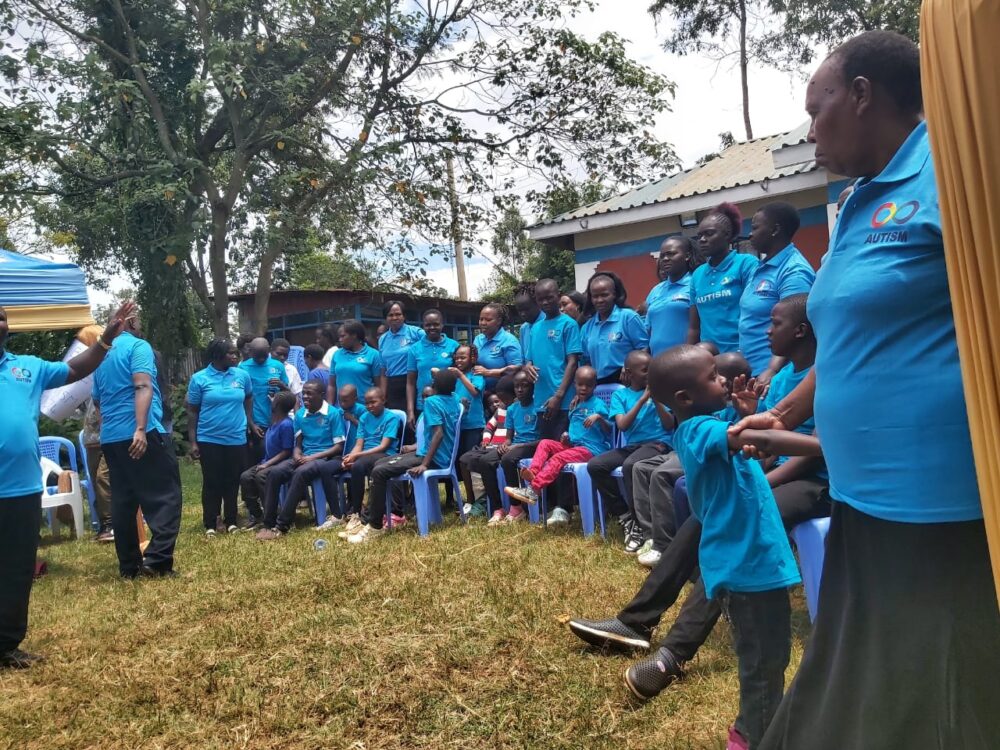
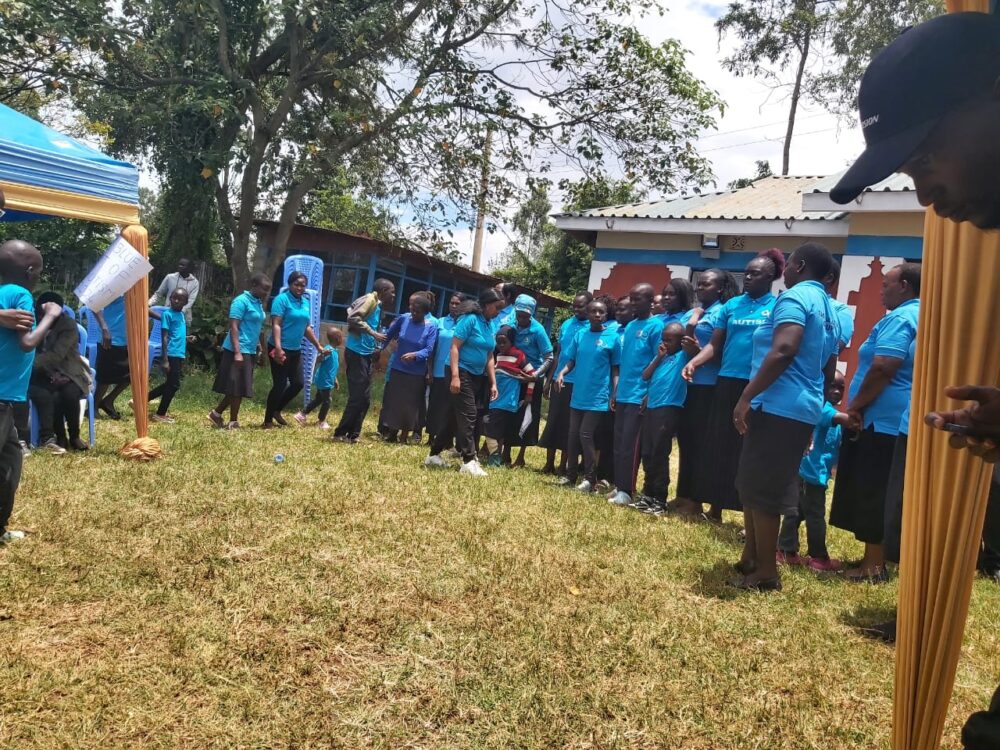
- Parents in Kitale are hopeful that children with autism can lead normal, independent lives.
- Autism is often detected early and affects more boys than girls, yet it remains underreported due to a lack of national data.
- A new inclusion law signed by President William Ruto raises hopes for free rehabilitation and therapy centres.
For these families, children with autism are not a burden; they are seen as a ray of hope. Autism, a neurodevelopmental disorder, is typically diagnosed at a young age, according to occupational therapist James Wanjala.
He explains that various factors contribute to the condition, including exposure to lead, complications during childbirth, and advanced maternal age.
“Autism can be caused by prenatal air pollution, pesticides, and difficulties during childbirth that result in a lack of oxygen for the child. Interestingly, advanced maternal age can also play a role,” Wanjala noted.
According to 2021 statistics from the World Health Organisation (WHO), approximately 61.8 million people worldwide are autistic, with a higher prevalence in males (1,065 cases per 100,000) compared to females (508 cases per 100,000).
While Kenya does not have a national autism registry, estimates from the Ministry of Health and the Kenya National Bureau of Statistics (KNBS) suggest that at least 1 in every 100 children in the country may be on the autism spectrum.
With a child population exceeding 20 million, this could mean over 200,000 children are living with autism, with many remaining undiagnosed or misdiagnosed.
Empower Individuals
During a recent Senate session, Nyandarua Senator John Methu emphasised: “It is not enough to simply recognise autism. We must build systems that empower individuals on the spectrum to live full, dignified, and independent lives.”
Ben Masioge from the office of Persons Living with Disabilities (PWDs) in Trans Nzoia, reports that there are over 100 registered children with autism in the county, with Kiminini Sub-County having the highest number at 40.
“In our register, we have over 100 cases from various sub-counties. Kiminini has more than 40 registered individuals with autism, while other sub-counties report over 20. However, registration in Endebess sub-county remains very low,” Masioge stated.
Job Wekesa, an occupational therapist, notes that parents can often detect autism in their children through signs such as avoiding direct eye contact during breastfeeding and exhibiting hyperactivity.
Lack of Schools for Autistic Children
Due to their hyperactive nature, autistic children often have difficulty settling in one place, complicating interactions with others.
Brenda Amali, a mother of a 10-year-old with autism, shares her struggles in securing school admission for her child, as many teachers have turned her away.
“Many schools rejected my child, claiming he cannot settle down. They advised me to seek a school specifically for children with disabilities. The main challenge in Trans Nzoia is the lack of schools that can accommodate our children,” she explained.
For those who manage to secure admission, their time in school is often short-lived, as they are dismissed after a while.
Timothy Nabwera, a grandfather of a child with autism, expresses frustration over the lack of educational options.
His grandson currently attends school in Bungoma, making it costly for him to travel every two weeks to visit.
“The available school is very expensive. Enrolling him here would reduce travel costs, but I lack the means. I urge the county government to build more schools for autistic children,” he lamented.
Amali reports that she spends at least KSh. 50,000 on her autistic child alone, with costs varying based on each child’s specific needs, such as additional conditions like epilepsy, hyperactivity, or those who are unable to care for themselves and require diapers.
The expenses associated with caring for autistic children include KSh. 1,000 per week for therapy, KSh. 2,500 per week for skilled therapy, and KSh. 10,000 for medication.
Constitutional and Policy Alignment
Sustainable Development Goal (SDG) 10 and Vision 2030 emphasise the importance of including and empowering vulnerable groups in creating a more equitable and just society.
The goal focuses on promoting lifelong learning, raising awareness, enhancing capacity building, and recognising the rights of these groups.
Parents of autistic children often face discrimination and stigma from society.
Opis Ojiambo, Chairperson of PWDs in Trans Nzoia County, warned against men exploiting adolescent girls with autism:
“Men are taking advantage of our girls and defiling them. Their days are numbered, and the fight is not a dead end,” he stated.
On May 2025, President William Ruto signed the People Living with Disabilities (PWDs) Bill, reinforcing Article 54 of the Constitution.
He described the law as a progressive step towards securing the rights of PWDs, advocating for access to healthcare, employment, and public spaces without discrimination.
Articles 90, 97, and 98 of the Constitution further support this group by addressing the demands of PWDs’ parents for free rehabilitation services and inclusive learning environments.
Calls to Government and Community
Given the challenges posed by autism, Masioge urged the county government to establish schools specifically for children with autism.
He also called for training more teachers to effectively support these children.
Additionally, he encouraged parents to register with autism support groups, as registered children may benefit from a budget that includes scholarships, Inua Jamii cash transfers, and school fees.
Emma Kibara, Deputy County Commissioner of Saboti, urged parents to register with the Social Health Authority (SHA) to help reduce treatment costs.
She implored parents who are hiding their children at home to bring them forward and register with the National Council of Persons with Disability (NCPWD).
“Parents should register with NCPWD and SHA to access treatment and other benefits, including quality health education for their children as outlined by the government. Stop hiding these children; the government has a budget for them,” she emphasised.
Victor Imbayi, Chief Executive Officer of Hayers Empire, a non-governmental organisation that assists PWDs, also encouraged parents to come forward to access donations.
These donations may include diapers and sanitary towels for their children, and registering autistic children can facilitate access to supportive care.
As parents call on society to embrace their children without discrimination, the responsibility remains with leaders to build schools and hire teachers for these children. These children represent hope for many families in the county.
 Radio Baraza