


By Amy Moyi, DevReporter, Kajiado County
Key Highlights
- The number of neglected elderly individuals in the Mathare area of Ngong town is on the rise, particularly among those whose children have migrated to urban areas and abroad.
- These elderly residents often live alone and lack essential resources such as food and healthcare, severely affecting their quality of life.
In Mathare, an informal settlement in Ngong town, the number of neglected elderly individuals is increasing. Many of these seniors live alone with minimal contact from their families.
Due to their advanced age and financial struggles, these vulnerable individuals are often left to fend for themselves, relying on the goodwill of others to meet their basic needs.
John Thiga, an eighty-year-old resident of Mathare, said that he has lost touch with his children, who have migrated to the United States.
As he ages, he faces financial and health challenges alone.
“Children sometimes abandon their parents when they go abroad. Occasionally, they help, but often they do not. Life has been very hard because of financial problems. I can no longer work. I depend on assistance from well-wishers and occasional help from my children. As elderly people, we also suffer from health issues due to weakened immunity; I struggle with high blood pressure,” Thiga explained.
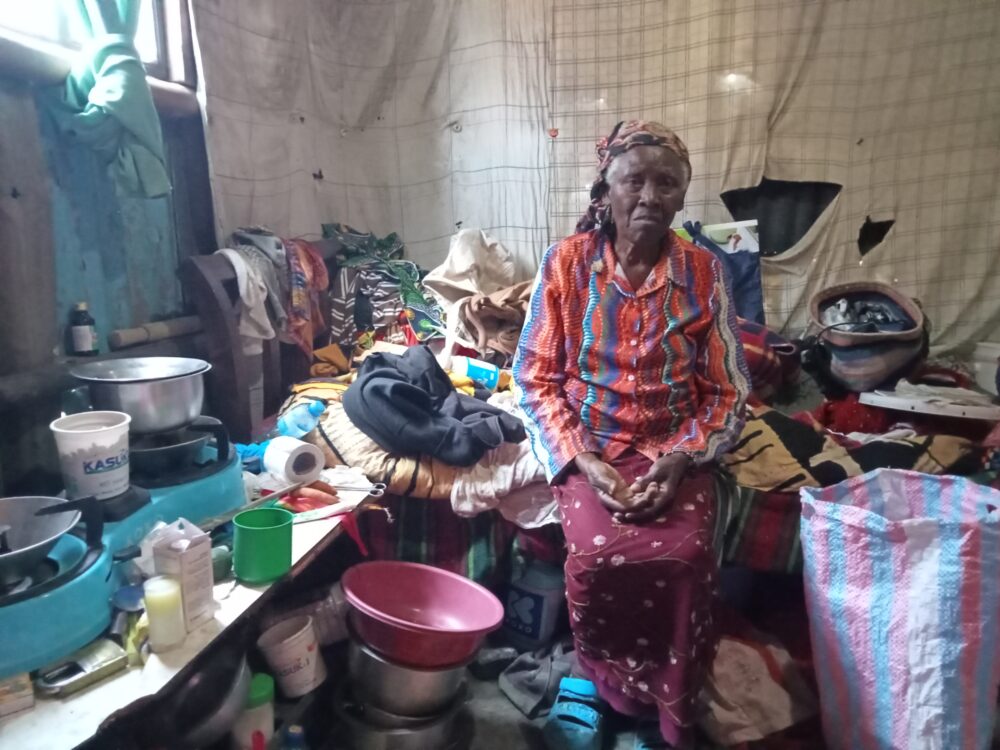
Florence Wangu, a seventy-two-year-old, lives in Mathare with her son, who developed a mental health condition during his third year of university.
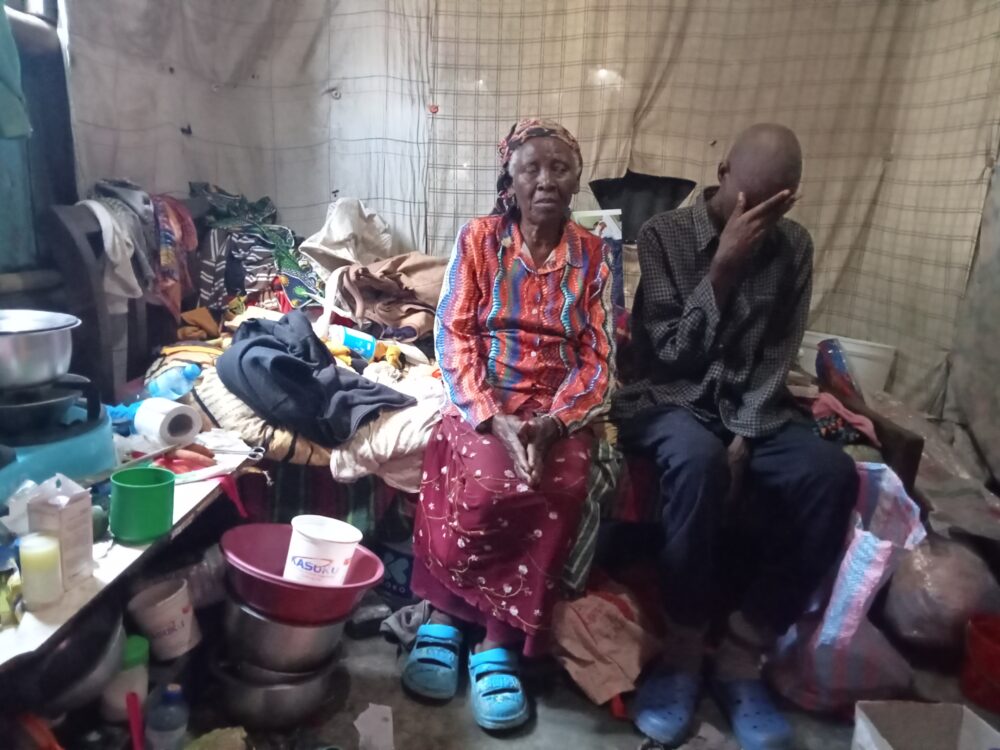
She expressed her inability to afford adequate housing, food, and medication for both herself and her son.
“I have arthritis and cannot afford treatment or medication. I am the caregiver for my only child, who relies on me since his father passed away. If I die, he will have no one to care for him. Our house is too small for both of us, and food is too expensive, so I rely on the church for meals and well-wishers to help me fetch water,” Wangu said.
Umoja Elderly Empowerment Programme
Regina Wambui founded the Umoja Elderly Empowerment Programme to assist vulnerable elderly individuals in the community after witnessing their dire circumstances.
She noted that many elderly people have been abandoned by their children.
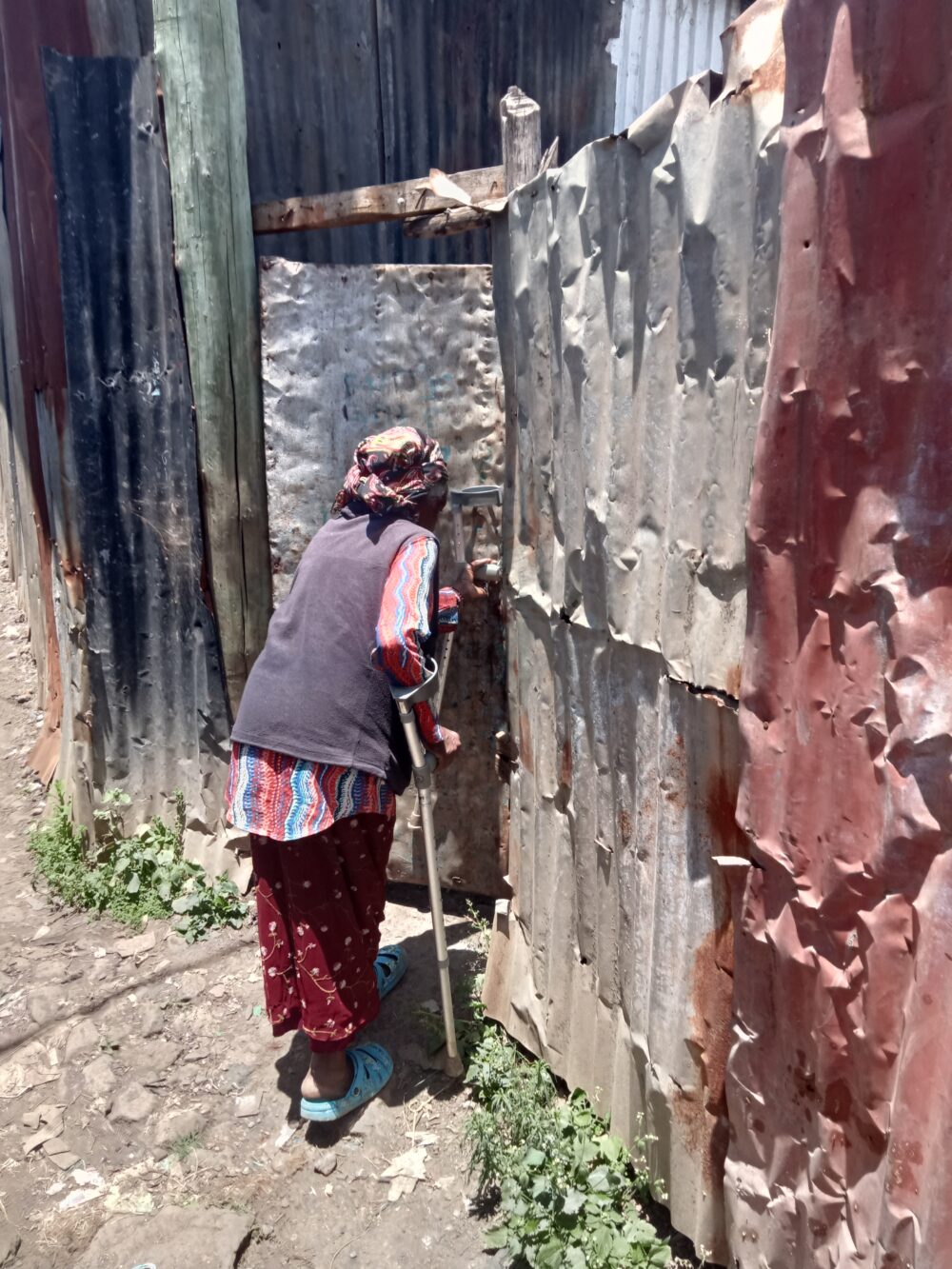
“I would visit an elderly person and find they have no food and no one to help them. I currently support seventy-four elderly individuals through this programme, four of whom are bedridden and five who require a cane to walk. Their children have left them, sometimes leaving them in the care of grandchildren. I provide assistance with the help of well-wishers,” Wambui explained.
Wambui stressed the importance of family and community involvement in caring for elderly individuals during this vulnerable stage of life.
“Elderly people need care. Their children have forgotten them and will only return to bury them; right now, they show little interest in their parents. This situation is a heavy burden, but when we come together, it helps prevent depression,” Wambui said.
Aging significantly impacts sustainable development efforts aimed at eradicating poverty and achieving food security.
Kenya’s Vision 2030 aims to ensure that older individuals have access to quality health care, social services, and support through community-based care, long-term care policies, infrastructure, resources, and programmes.

 Radio Baraza