

By Vivien Njagi, DevReporter, Kajiado County
Key highlights
- Kware, an open-air market, is devastating despite the guidelines of devolution towards the development of trading centres.
- Politicians use the market as a campaigning strategy.
- Promises of building the market date back as far as 5 years.
- The economy is at stake due to unfavourable trading conditions.
In the heart of Ongata Rongai, Kajiado County, lies Kware Market – a vibrant, open-air hub of commerce that stands as a testament to the resilience of its traders. For many of these small business owners, however, Kware is more than just a market. It’s a battleground of broken promises and unmet needs, raising questions about the effectiveness of devolution in delivering for ordinary Kenyans.
Broken Promises
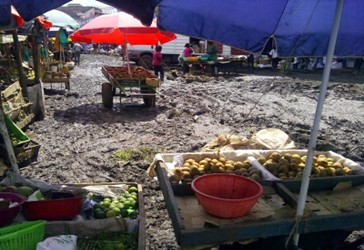
Years of neglect have worn down the physical infrastructure and the morale of traders, who now wonder if their plight has been pushed under the carpet. Five years ago, Governor Joseph Ole Lenku vowed that his administration would fully facilitate the relocation of traders from the demolished Kware Market in Ongata Rongai to a new site. Despite these words, Kware Market’s traders still find themselves sitting under makeshift stalls, battling the elements every day.
By 2024, even with the ‘almighty power of devolution’ complete with leaders elected on the promise that they would address the concerns of local residents, Kware remains an open-air market without adequate protection from weather or access to essential services.
Samuel Kinuthia, a longtime trader at Kware, speaks candidly about the trials of working in such poor conditions.
“If it rains, we’re helpless,” he says, referring to the many traders who cannot afford the luxury of even a leaky shelter.
Traders who do manage to scrape together makeshift coverings soon find that their structures are no match to heavy rains or gusting winds.
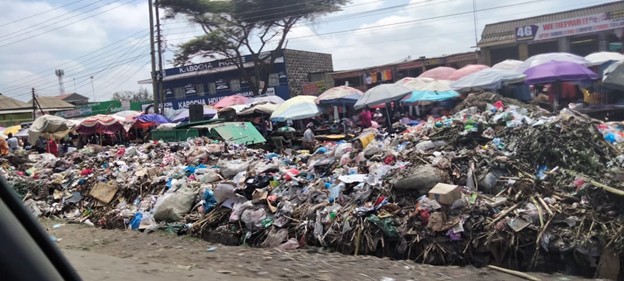
Kinutiha urges the county council to provide basic necessities, like dustbins and regular garbage collection.
“We just want a market where we can work with dignity,” Kinuthia continues
In the rainy season, pathways become treacherous with mud, and the air grows heavy with the stench of rotting garbage. Though it remains one of the largest and most diverse trading centres in Kajiado North, the worsening conditions at Kware threaten to shrink its economic footprint, thus hindering its potential as a critical trading hub.
The Vital Devolution
The struggle at Kware speaks to a larger narrative about devolution’s promises and challenges. Sustainable Development Goal 9, Kenyan Vision 2030, and its 2010 Constitution, are all in unison in as far as echoing the need to create well-equipped markets that support industrial and economic growth https://sdgs.un.org/goals/goal9.
Partnerships between the national and county governments have been crucial in revitalising markets across the country https://maarifa.cog.go.ke/sites/default/files/2023-12/Devolution%20Journey%20Book%202023%20%282%29_0.pdf.
On the other hand, Vision 2030’s emphasis on macroeconomic stability highlights the importance of such initiatives in improving the lives of ordinary Kenyans.
The Antidote
Ultimately, Kware Market stands as a symbol of both hope and frustration. Its traders have shown remarkable resilience, weathering harsh conditions in their pursuit of livelihood. But they are now calling on county leaders to fulfil on their responsibilities, not just by words, but also with tangible result and improvements. The traders envision a day when Kware will become more than a temporary shelter in the rain or sun, but one that is transformed into a clean, organized, and vibrant market where they can work without fear of losing stock to poor weather, or their own health to unsanitary conditions.
The cries of “What about us?” echo a plea that Kajiado County leaders cannot ignore if they are to fulfil on the promise of devolution.
For now, Kware Market remains a story of “unfulfilled potential.” Hope however persists, that with renewed accountability, it can become a true economic engine for Ongata Rongai, and Kajiado North at large.