


By Jack Ohito, DevReporter, Siaya County

KEY HIGHLIGHTS
- Social media as a tool for holding duty bearers accountable.
- The Reuters Institute reports that 59% of surveyed Kenyans consider online influencers a major source of false or misleading information.
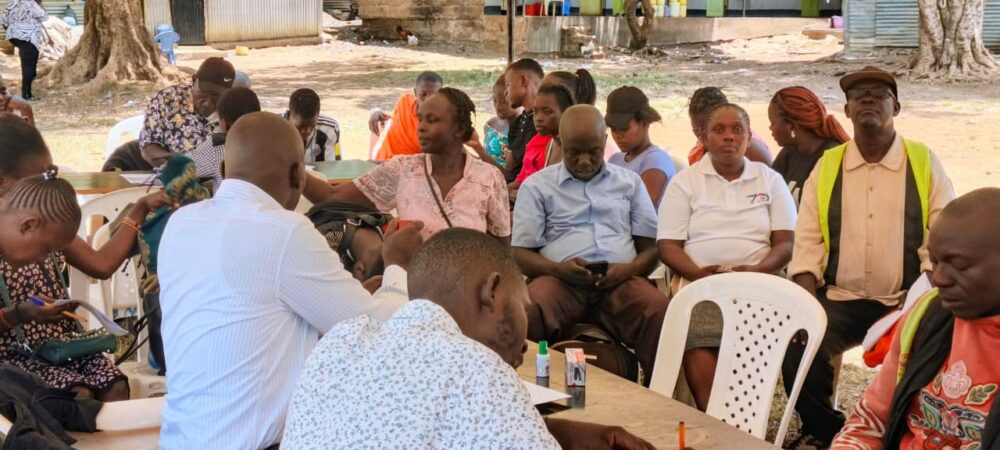
In Siaya County, social media is changing how residents share information, raise concerns and demand action.
Platforms such as Facebook, X, WhatsApp, blogs and online pages allow people to receive updates quickly and question leaders about development projects.
“Social media has always done a tremendous job of holding our duty bearers accountable,” says Jenipher a fruit vendor.
Digital Citizen Participation
The Constitution protects this growing form of citizen participation. Articles 33,34,35 guarantee freedom of expression, media independence and access to information held by the State, while article 10 recognises public participation. These provisions support Kenya’s Vision 2030.
For many residents, a smartphone has become a tool for documenting problems and attracting attention from authorities.
“Just a mere conversation attracted the attention of our area MP,” says Mr Timothy Opiyo.
The Reuters Institute’s Digital News Report 2026, says that social media is central to Kenya’s news ecosystem, with WhatsApp playing a major role in circulating both political information as well as rumours.
“A post on WhatsApp at midnight can go viral to an extent of disrupting programmes,” says Otieno, a market official in Siaya.
In Siaya, this has created a new public space. A stalled project can quickly attract public attention.
Social media’s influence is also evident in discussions surrounding St Peter’s Cathedral in Siaya.
“I would rather face the heat now, as some are claiming on social media that our church is a cash cow, than leave structural problems that might claim believers’ lives,” says Archbishop Mark.
Expanding Public Participation
Digital platforms have also strengthened public participation. Young people and residents in remote areas can discuss budgets, legislation and service delivery without attending every public meeting.
A 2019 pilot study by Africa’s Voices Foundation and the Centre of Governance and Human Rights, used interactive radio to connect Siaya residents with county authorities. In four weeks, 2,296 people sent 5,490 messages on governance, development and public services.
However, the speed of digital communication also creates risks. The Reuters Institute reports that 59% of surveyed Kenyans consider online influencers a major source of false or misleading information.
Mercy Angela, a Siaya resident, warns that unverified information can put young people in trouble, particularly when rumours are presented as facts.
This was evident when a Facebook page falsely claimed that a housing project had been cancelled and market traders would soon be evicted. The claim spread through WhatsApp groups, causing anxiety. County officials later clarified that construction was continuing and no eviction notice existed.
Fact Verification and Responsible Usage
“I believe that before I publish a story about a stalled project I should first of all verify the facts from different sources,” says blogger Emmanuel Ouma.
For Siaya, digital media has become a powerful tool for accountability and development. But its impact depends on responsible use.
Related stories
https://counterhate.com/.well-known/sgcaptcha/?r=%2Fblog%2Freal-people-real-stories-the-consequences-of-online-harms%2F&y=ipc:154.159.237.218:1788803129.373


 Radio Baraza