

By Brian Gitonga, DevReporter, Meru County
Key Highlights
- Over 250 households in Shauri Yako have been without toilets for four years, forcing residents to rely on flying toilets.
- From January to September 2023, the area reported 814 cases of diarrhea, 209 cases of intestinal worms, and 75 cases of H.Pylori, according to Dr. Festus Mwenda, Sub-County Public Health Officer for Imenti North.
- Meru County plans to initiate sanitation improvements soon, following Governor Isaac Mutuma’s directive.
A recent study by the Journal of Healthcare for the Poor and Underserved estimates that 5.6 million Kenyans still practice open defecation.
Once considered a rural issue, this crisis is now infiltrating urban centres, including Meru’s Shauri Yako slum.
As the largest informal settlement in Meru County, Shauri Yako has become a hotspot for poor sanitation, jeopardising efforts to achieve Open Defecation Free (ODF) status.
Unsafe and Undignified Practices
Without access to working toilets, residents resort to unsafe and undignified practices, exacerbating the spread of sanitation-related diseases.
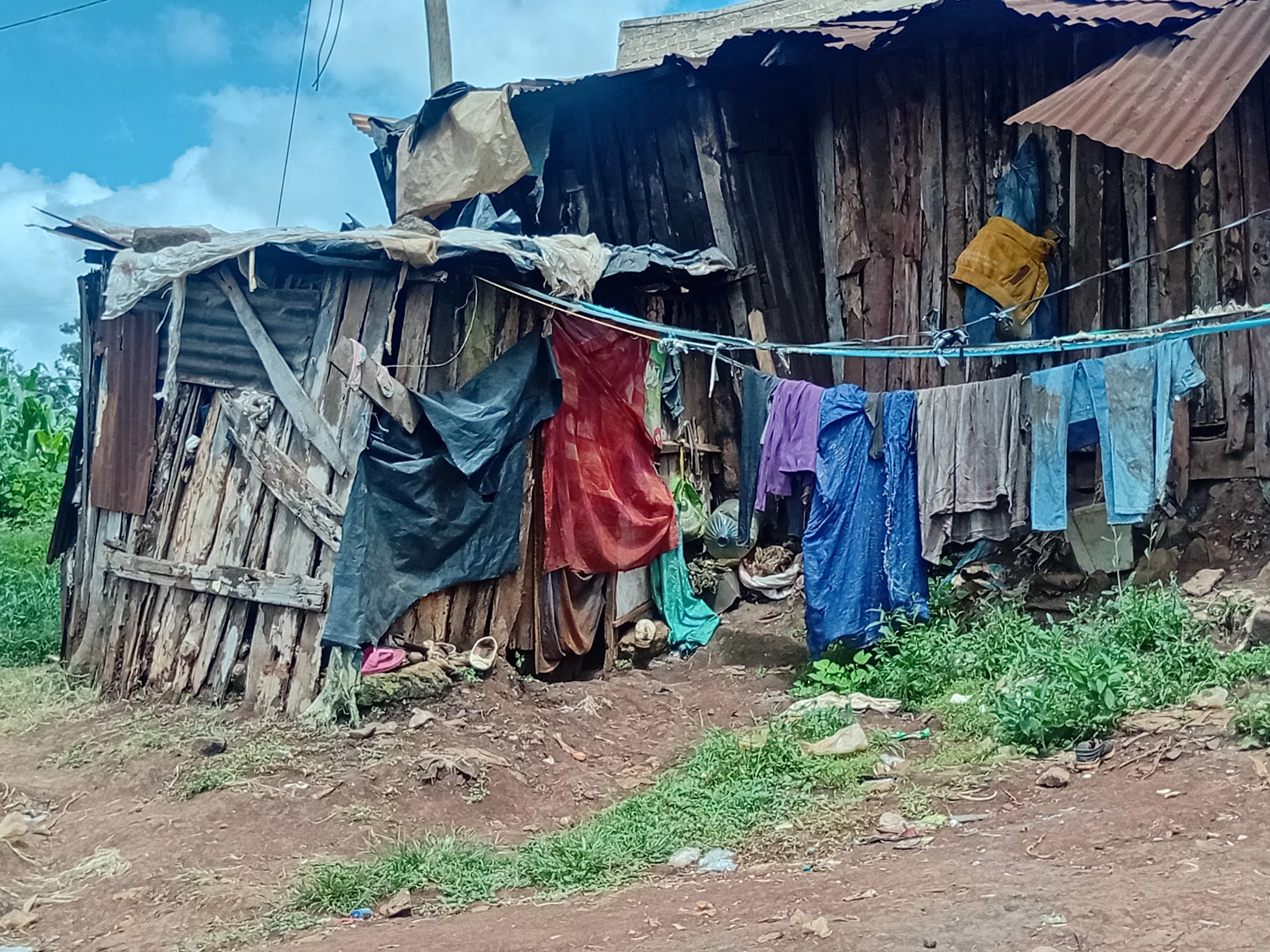
Shauri Yako, located in Imenti North Constituency, is home to over 250 households that have lacked functional toilets for the past four years, raising serious health concerns.
Nicholas Murungi, a lifelong resident of Shauri Yako, describes how the sanitation crisis has forced people into humiliating situations.
“We use flying toilets because we do not have access to proper facilities. People relieve themselves in polythene bags and throw them onto rooftops. The last toilet in our area was built twelve years ago by Peter Munya. We are appealing to Governor Mutuma to help us construct new ones,” he says.
Ken Mwenda, another resident, points out that poverty makes it difficult for many to afford the cost of using public toilets. Costs as low as Ksh.10 charged at Marikiti Market, for example, is not necessarily affordable for many.
“The nearest toilet is at Marikiti, but we cannot afford Ksh. 10 each time. That is why people relieve themselves in farms and along the river,” he explains.
Severely Impacted the Community
Lucy Karamuta, a mother of six living in the slum, emphasises how the lack of functional toilets has severely impacted the community, resulting in a rise in sanitation-related diseases.
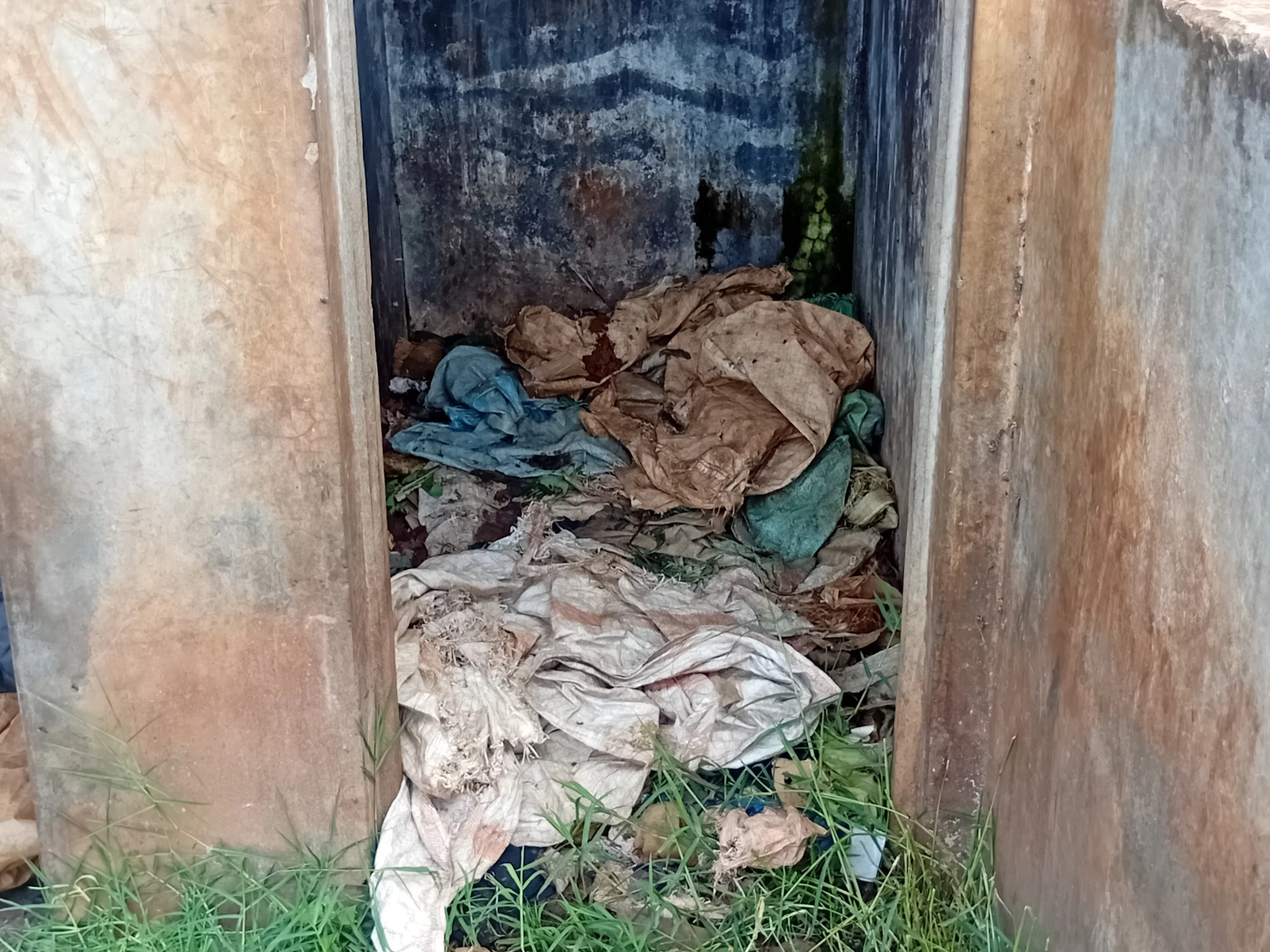
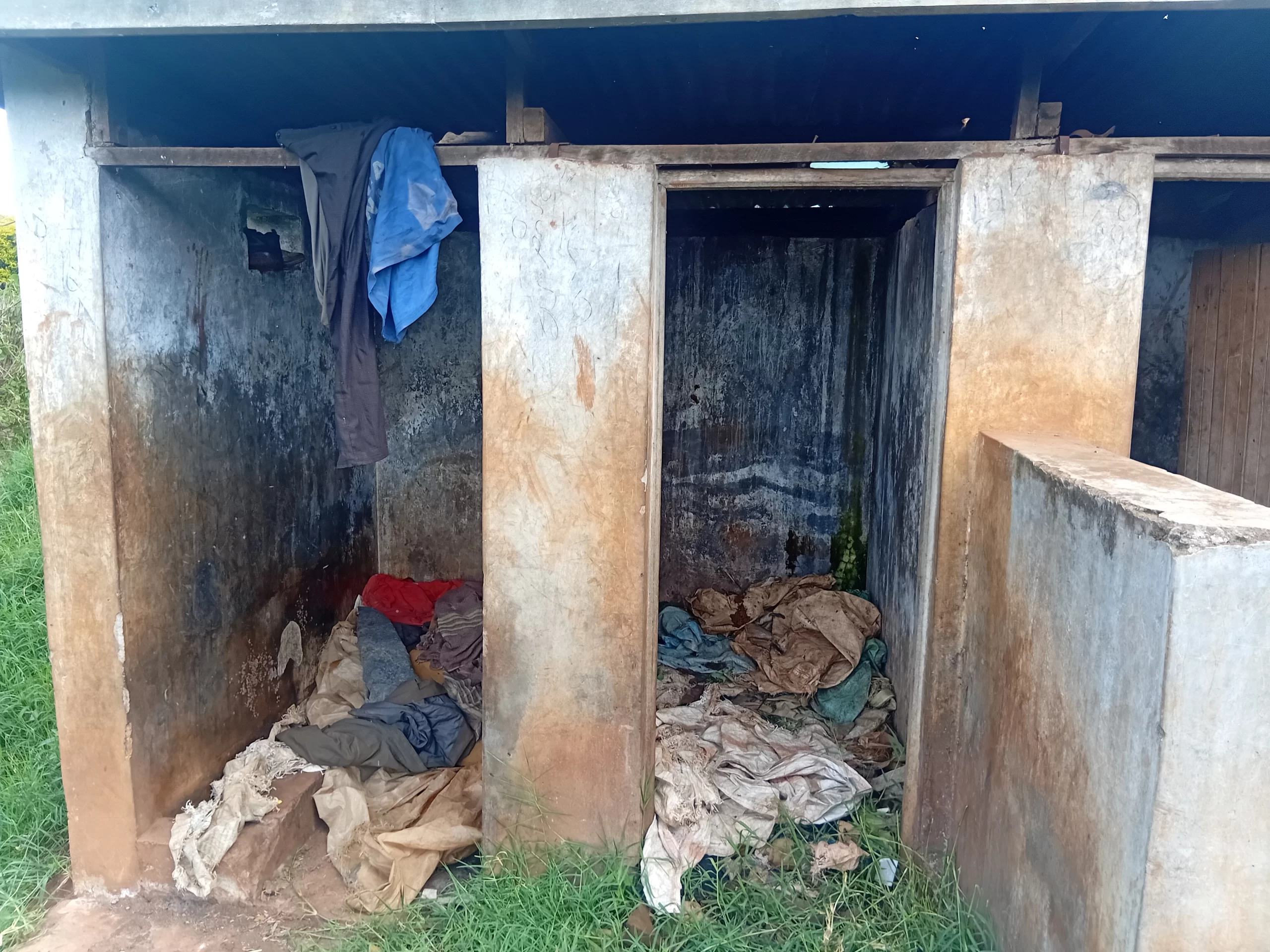
“All the toilets are full, and some are so packed with waste that the doors are completely blocked. Diseases like typhoid, amoeba, intestinal worms, and H. Pylori are common because of open defecation,” Lucy states.
Dennis Kiogora, another resident, expresses frustration over their repeated appeals to the previous administration under Governor Kawira Mwangaza, which he feels were ignored.
He is particularly concerned about the health of over 150 children in the area, warning that a cholera outbreak could be catastrophic.
“Our health continues to deteriorate because the few toilets that exist are full and unusable. If just half of the children here were to fall ill, it would be devastating. We are urging Governor Mutuma to address this urgent issue,” Dennis says.
Dr. Festus Mwenda, Sub-County Public Health Officer for Imenti North, confirms that disease outbreaks in the area are linked to poor sanitation in Shauri Yako. This is contrary to the aspirations of Sustainable Development Goal (SDG) Goal 6, which aims to ensure access to sanitation for all.
“Between January and September 2023, we recorded 814 cases of diarrhea, 209 cases of intestinal worms, and 75 cases of H. Pylori, all linked to open defecation,” he reports.
County Government is Taking Action
Akwalu Victor Mugambi, the Chief Officer for Lands, Physical Planning, Urban Development, and Public Works in Meru County, acknowledges the crisis and states that the County Government is taking action in accordance with Article 43(1)(b) of the Kenyan Constitution. The Article guarantees that everyone has the right to accessible and adequate housing, as well as reasonable sanitation standards.
“Last week, our governor directed us to find a solution. We dispatched a team from health and public works to assess the situation, and I assure you that construction of adequate, reusable sanitation facilities will begin soon,” Akwalu stated.
As residents of Shauri Yako await meaningful change, their demand is for safe and dignified sanitation.
For them, the promises of the Constitution and the Sustainable Development Goals represent not just policy, but a matter of survival