


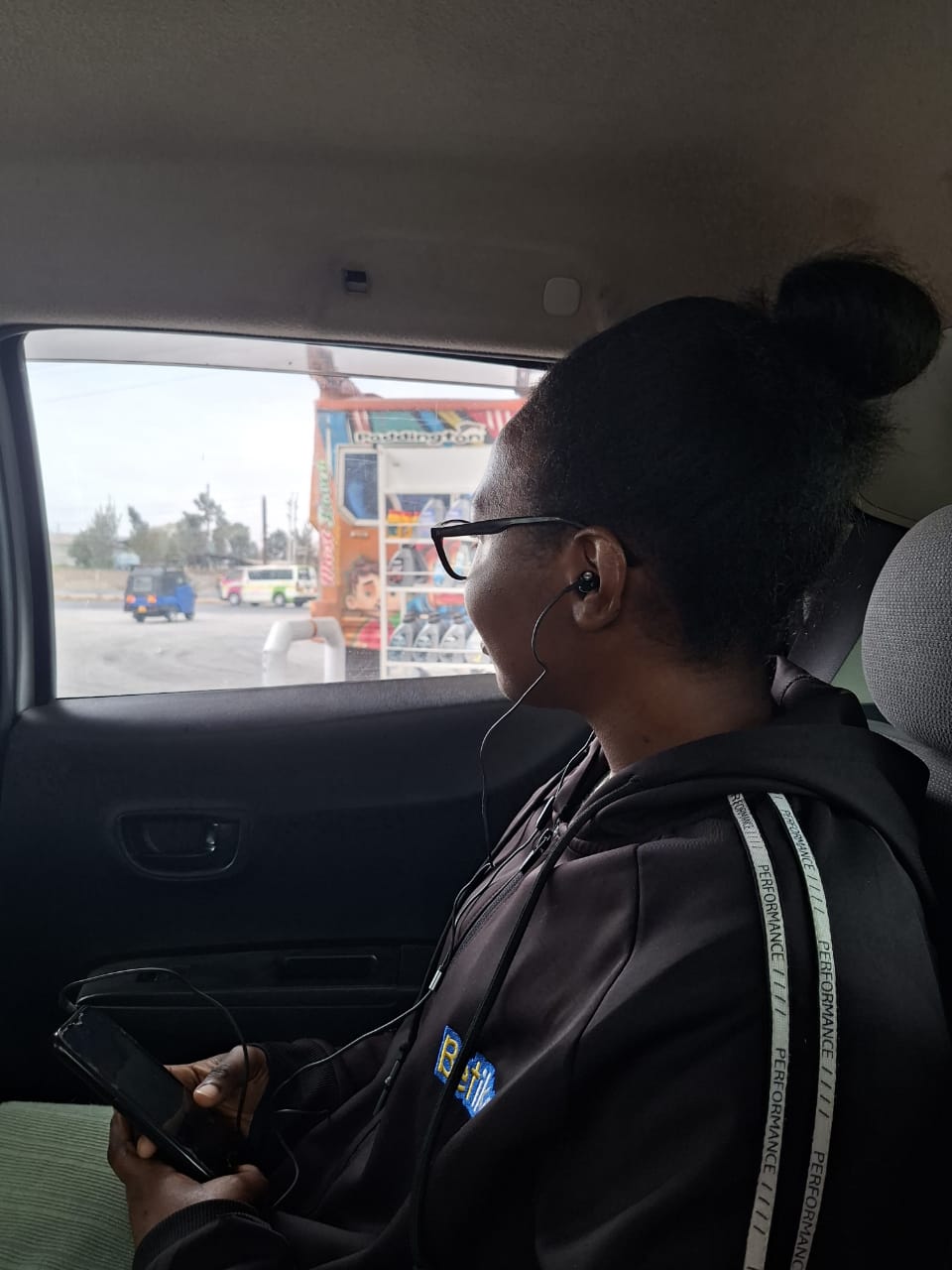
By Hendric Makokha, Student at Technical University of Kenya on attachment at DTM (2025)
As a diploma student on attachment, one of the most interesting platforms I’ve come across is Radio Baraza (RB). This is not your typical radio station. It is an online platform created by Development Through Media (DTM), a non-profit organisation that focuses on delivering development information in a way that is both accessible and engaging. The aim is simple: make sure important issues reach people who may not hear them in mainstream media.
From governance and human rights to culture and entrepreneurship, RB covers a wide range of topics. What sets it apart is that the content is designed for everyone—whether you live in Nairobi or a small rural village. The station’s main mission is to support access to information and freedom of expression while giving a platform to voices that are often left out.
Programmes That Bring the Mission to Life
RB achieves its goals through a variety of programmes, each with its own focus and style.
One of the most impactful segments is Deliberations. This programme brings listeners recordings from important policy meetings and community forums. Instead of reading a summary in the newspaper, you actually get to hear the discussion as it happened. For example, in “Not Yet Uhuru: A Legacy of Liberation – Jaramogi Oginga Odinga’s Impact on Kenya’s Democratic Journey”, listeners hear Lewis Magonga ask, “Why is land so important to Kenyans?” This discussion, recorded live during a Social Justice Centre session in January 2024, makes you feel as though you were in the room, hearing the passion and urgency in the speakers’ voices.
Another standout is AWiTAD – African Women in Tech and Design. Hosted by Ziki, this podcast series focuses on the personal journeys of African women who are making an impact in technology and design. The stories are relatable and inspiring, showing that big achievements often start from small beginnings.
In “Making Space for Women in Tech”, Judy Owigar recalls being one of only five women in her computer science class and realising something had to change. That moment pushed her to start programmes that train and mentor young women in technology. In another episode, “African Inspired Designs”, Sylvia Omina talks about using her skills in fashion design to train women and youth in rural Kenya—helping them earn a living through dressmaking and jewellery making. There’s also “Journey to Mia Mara”, where designer Lorna Abwonji shares how opportunities like the Mandela Washington Fellowship shaped her career.
These are not just interviews; they are personal testimonies that listeners can learn from and connect with on a human level.
The Human Touch
Part of what makes Radio Baraza’s content stand out is its tone. The language is warm and straightforward, free from unnecessary jargon. The station strikes a balance between serious discussion and light, engaging content. While programmes like Deliberations tackle complex policy issues, others celebrate culture, music, and storytelling—reminding us that development is not only about laws and policies but also about identity and creativity.
For example, on RBNews, DevReporters from different counties share stories straight from the communities. Whether it’s an update about a school-feeding programme in Kibra or a feature on women entering the mechanics trade, these reports highlight real issues while giving a voice to people who live them every day.
Why It Works
As someone learning the ropes in journalism and communication, I see several reasons why Radio Baraza’s approach works so well:
- Accessibility – The programmes are designed for everyone, regardless of education level or location.
- Variety – Mixing formats keeps audiences engaged.
- Real stories – Listeners hear from real people, not just experts or officials.
- Purpose-driven content – Every programme has a clear goal, whether it’s to inform, inspire, or spark action.Lessons for an Attachment StudentRB shows how media can be a tool for real change. It’s one thing to learn about “development communication” in class, but it’s another to see it done effectively. The station shows that keeping your message clear, using relatable examples, and giving space to authentic voices can have a powerful impact.
For me, the takeaway is this: good communication is about connection. Whether it’s Judy Owigar mentoring women in tech, Sylvia Omina teaching rural youth new skills, or a community leader questioning land rights, these stories remind us that change often starts with a conversation—and radio is still one of the best ways to have it.
In Conclusion
RB is more than an online station—it is a bridge between information and the people who need it most. By combining development topics with real-life stories, cultural expression, and open discussion, it creates a space where listeners are not just informed but also empowered. As a student on attachment, it’s inspiring to see how thoughtful media work can help shape a better, more inclusive society.

Writing this piece really opened my eyes to how Radio Baraza is not just a source of information, but a bridge that connects communities, encourages dialogue and amplifies local voices.
I came back to read this again because it really stuck with me. The AWiTAD stories are so inspiring and show the human side of development. Great article, Radio Baraza really gives space to real voices.