


By Brian Gitonga, DevReporter, Meru County

In Summary
- Lake Nkunga supports households, livestock, and tourism in Meru County.
- A poorly managed dumpsite nearby is contaminating air and water.
- Residents report respiratory illness, insect infestation, and fears of water pollution.
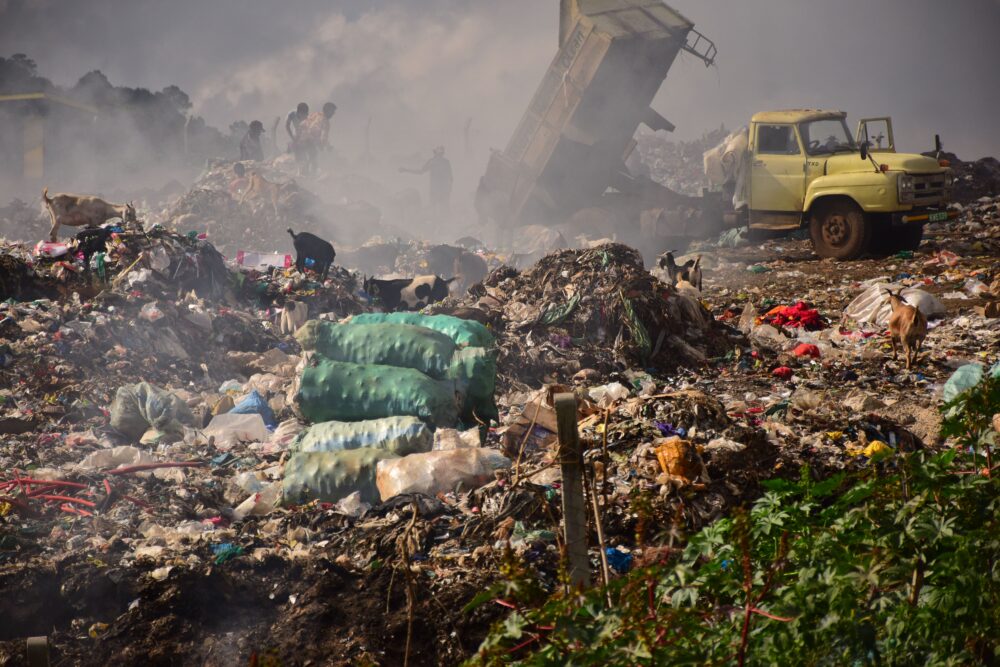
When smoke from burning garbage drifts across her home, Florence Kairuthi knows an asthma attack could follow. For families living near Lake Nkunga, pollution is no longer an abstract environmental concern, but a daily health threat.
For generations, Lake Nkunga has been central to the lives of surrounding communities. Once regarded as sacred and accessible only to elders and rainmakers, the lake is today a popular tourist attraction and a vital source of water for residents and their livestock, contributing to Sustainable Development Goal 6 on clean water and sanitation.
Its survival is closely linked to livelihoods, public health, and local tourism, placing it at the heart of Kenya’s development goals on clean water and environmental protection.
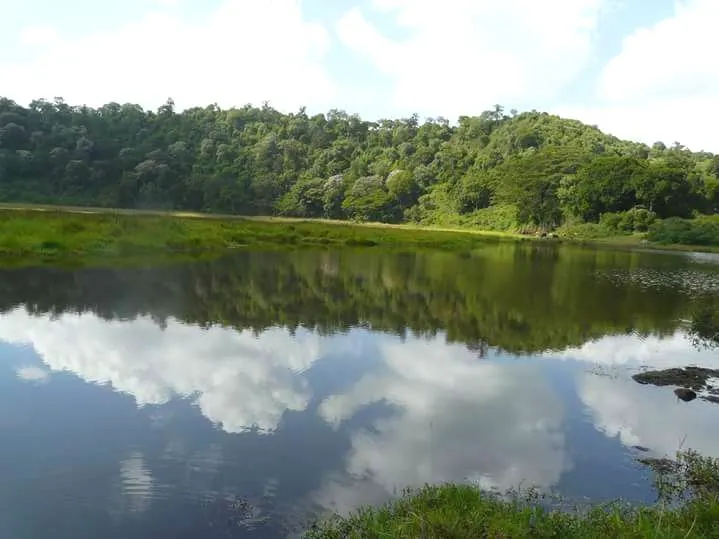
That legacy, however, is under growing threat.
A nearby dumpsite, managed by the Meru County Government, has become a source of air and water pollution. Burning waste releases thick smoke into neighbouring homes, while poorly managed dumping raises serious concerns about long-term environmental degradation and public health risks.
Florence Kairuthi, a mother of four, has lived near Lake Nkunga for more than 40 years. She says the dumping site, managed by the Meru County Government, has brought constant suffering to residents.
“I have allergic bronchitis, and whenever they burn the garbage, the smoke spreads everywhere. I start sneezing, coughing, and panting, and sometimes I struggle to breathe. There was even a day when my husband had to call a doctor because I had severe breathing problems,” says Kairuthi.
Nearby, a resident, Gideon Kirogwe, says the dumpsite has caused a surge in houseflies, making daily life difficult and raising health concerns.
“Even when we have a wedding or any other function, eating is a problem because of houseflies. You find that they get into the food, so even eating peacefully becomes impossible,” says Gideon.
Threat to Lake Nkunga
Concerns extend beyond air pollution to the safety of the lake itself.
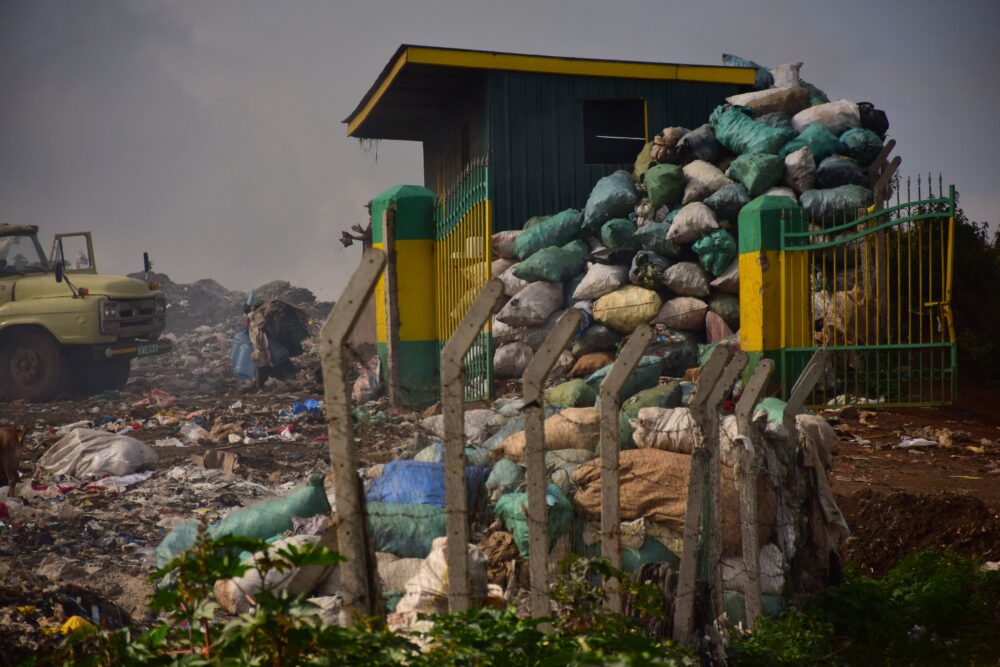
Kimathi Kinyua, another resident, says that the dumpsite poses a direct danger to Lake Nkunga. He explains that the site sits on higher ground next to the lake and contains mixed waste, including biomedical materials such as used syringes and needles.
According to Kinyua, rainwater passes through the waste and ends up in the lake, exposing residents who rely on the water to serious health risks.
“The dumpsite is on higher ground, and when it rains, the water flows straight into Lake Nkunga. All kinds of waste are dumped there, including hospital waste. That water ends up in the lake, which is dangerous for people who depend on it,” he says.
Environmental experts say that such contamination could have far-reaching consequences, especially for communities that rely on untreated surface water.
Environmental scientist, Halima Hassan, warns that dumping and burning waste near water bodies accelerates both environmental damage and climate risks.
“When waste rots in the open, it produces methane and carbon dioxide, which trap heat and contribute to global warming. The effects are seen through prolonged droughts and floods. Water passing through waste contaminates soil and water sources, and when people consume that water, it becomes a disaster,” she explains.
County Response
Meru County Executive Committee Member for Water, Irrigation, Environment, Natural Resources and Climate Change, Baptista Kanyaru, acknowledged the concerns raised, and said that the county has allocated funds to manage the dumpsite in line with Article 69(1) of the Kenyan Constitution, on environmental protection.
“We understand the challenges at the dumpsite and have set aside a budget to ensure it is managed in a way that does not affect nearby residents,” said Kanyaru.
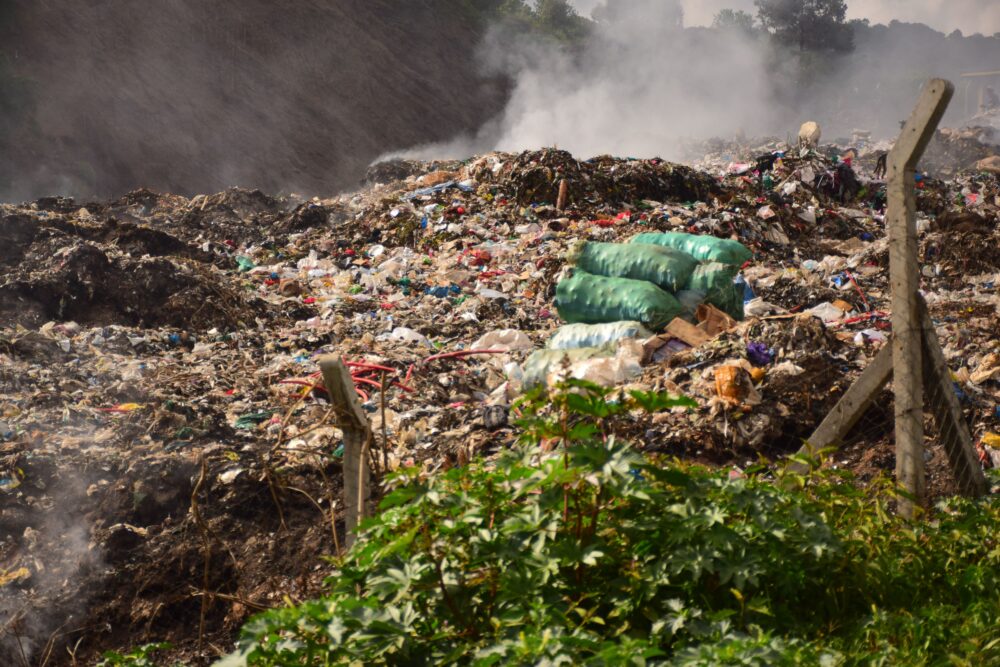
Following public complaints, the county government carried out fumigation and extinguished burning waste at the site. Public health officer, Sammy Mutua, said that the intervention was meant to control houseflies and other disease-causing insects.
“We are doing this fumigation to deal with houseflies and other insects from the dumpsite that can spread illness to the surrounding community,” said Sammy.
An Uncertain Future for a Vital Lake
While fumigation has reduced insects and fires have been extinguished for now, residents and experts agree that without sustained investment, enforcement, and accountable waste management, Lake Nkunga’s future remains uncertain. Protecting the lake will require more than short-term interventions; it will demand a long-term commitment to public health, environmental justice, and sustainable development.