

By Christine Wangoi, DevReporter, Kajiado County

Malnutrition remains a serious public health concern, affecting children in Kajiado County, with long-term consequences on growth, development and overall well-being.
Malnutrition occurs when a person’s diet does not provide the right amount or balance of nutrients required for healthy living. It can result from eating too little food, too much food, or consuming an imbalanced diet.
Health experts explain that malnutrition presents itself in different forms. Stunting refers to children being too short for their age due to long-term poor nutrition, indicating poor growth. Wasting is when a child is too thin for their height, often caused by recent weight loss or illness, while underweight describes children with low weight for their age.
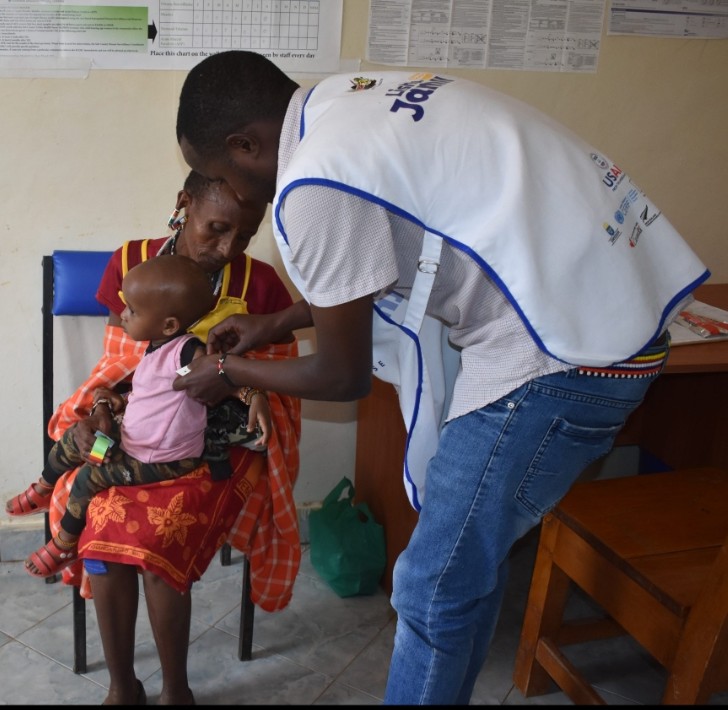
To address this challenge, Kajiado County has adopted a multisectoral approach involving the health, agriculture, education and social protection sectors. This strategy aims to strengthen accountability for children’s nutritional status while ensuring early identification and support for affected families.
For mothers like Joyce Motemba, a mother of seven from Magadi, Kajiado West, malnutrition is not just a statistic but a painful daily reality. Living in a rural part of the county, she struggles to provide balanced meals for her children due to limited income and unreliable food sources. The situation leaves her anxious about her son’s health and future.
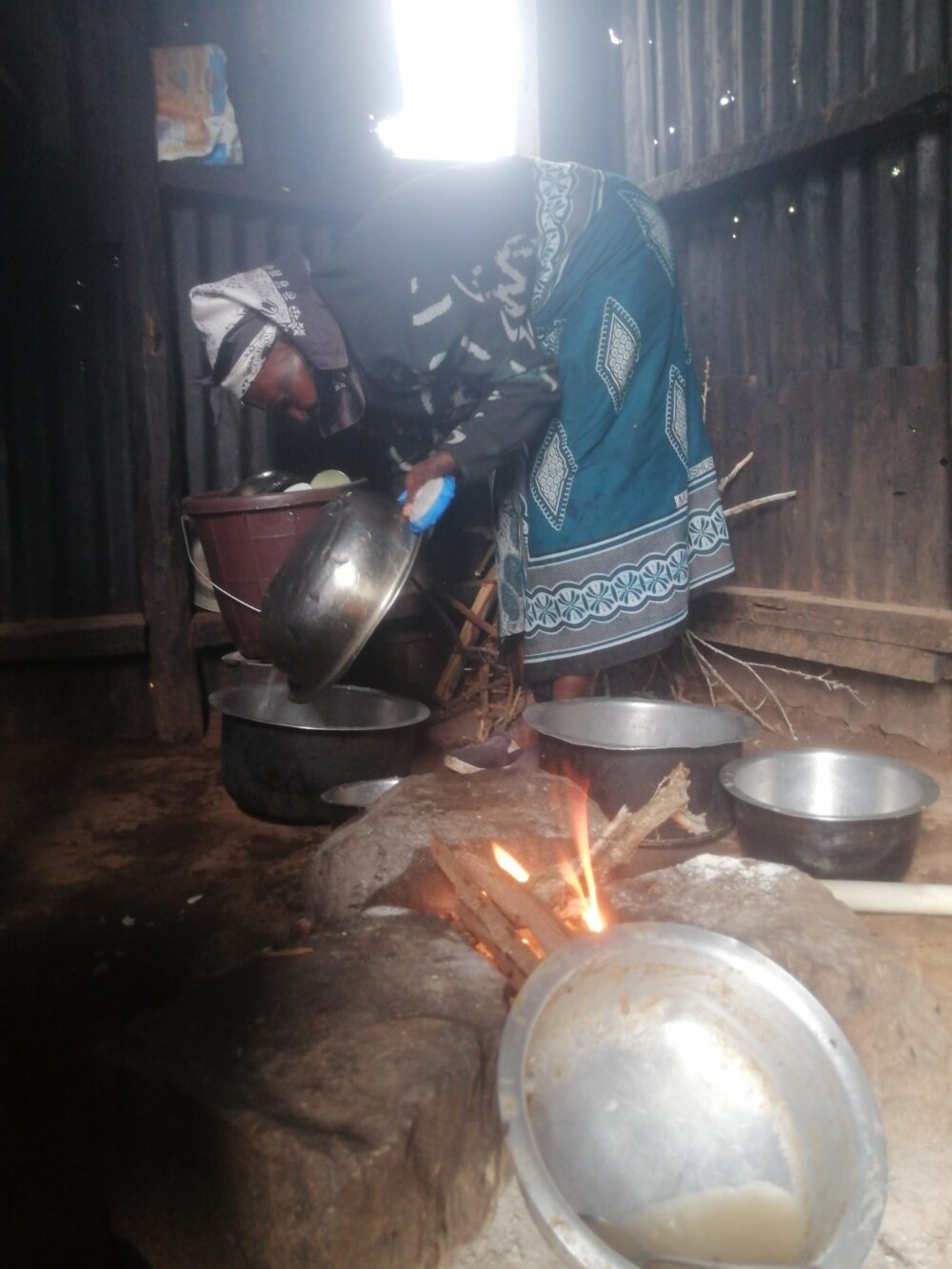
“There are days my child sleeps hungry, and when he falls sick, I blame myself because I know it is the lack of proper food. As a mother, it breaks my heart to watch my child grow weak when all I want is to see him healthy and strong,” explains Motemba.
Joseph Simel, a father of five from the same community, says hunger has left many parents feeling powerless.
“As a father, it is painful to look at your children and know you cannot provide enough food. My children struggle to concentrate in school, sometimes they are absent because they are weak or ashamed. Malnutrition has taken away our peace as parents and our children’s chance to dream,” says Simel.
Joyce Miyani, a community health volunteer working closely with vulnerable households says malnutrition has deeply affected families beyond health.
“We meet parents who have lost hope because hunger has disrupted every part of their lives,” the volunteer explains.
“Children miss school because they are weak or ashamed, learning becomes difficult when they are hungry, and some families isolate themselves socially because they feel embarrassed by their situation. Malnutrition has taken away dignity, strained family relationships and robbed children of the chance to learn and play like others,” she says.
The county has since introduced a school nutrition programme that provides meals to kindergarten children and pupils in public rural schools, helping improve school attendance while ensuring children receive at least one nutritious meal each day.

Other interventions under the County Nutrition Action Plan (CNAP) include improving access to child health services, providing free micronutrient supplements to pregnant and lactating mothers, intensifying nutrition education and community outreach, and supporting food security and livelihood initiatives for vulnerable households.
“Through this approach, we aim to strengthen accountability for the nutritional status of our children. Community health workers will play a critical role by intensifying outreach efforts to identify affected children while providing knowledge and support to vulnerable families,” says Dr Carol Kamau who works with the Kajiado health department.
Non-governmental organizations are also sensitizing communities to adopt small-scale farming and kitchen gardens to improve access to a variety of vegetables and enhance household nutrition.
“If mothers are supported with food, knowledge and a way to earn a living, our children will not suffer like this. We are not asking for much—just a chance to give our children a healthy future,’’ Motemba says.
These efforts align with Sustainable Development Goals 2 and 3, which focus on Zero Hunger and Good Health and Well-Being. They also reinforce Article 53 of the Kenya 2010 Constitution, which guarantees every child the right to basic nutrition, healthcare and protection from neglect.
Despite Kajiado County’s vast terrain and existing challenges, stakeholders remain hopeful. With sustained interventions, strong multisectoral collaboration and deep community engagement, there is optimism that Motemba’s son and many other children will grow strong, healthy and resilient.
“It is possible to curb, fight and correct malnutrition if proper and swift measures are put in place through joint effort,” Dr. Kamau adds.
END