

By Brian Gitinga, DevReporter, Meru County

In Summary
- Meru County has 49,815 PWDS, but most remain unregistered and miss out on support
- Spark provides free prostheses and counseling through donor support, changing lives
- Prosthetics cost up to KSh 300,000, putting them out of reach for many without help.
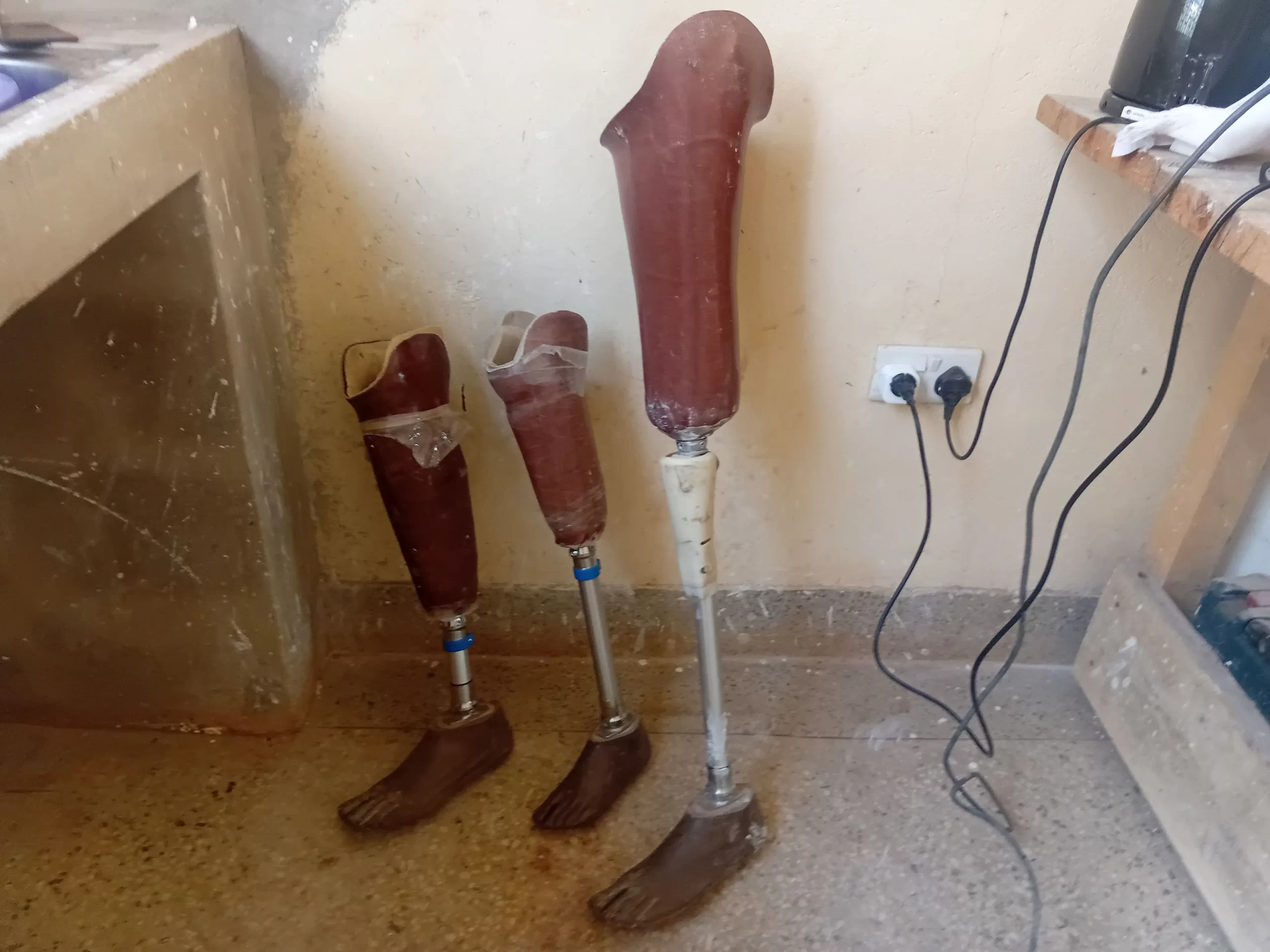
Meru County is home to 49,815 People With Disability (PWDs), according to the 2019 Kenya National Bureau of Statistics. Yet, only 12,000 are registered, leaving the majority without access to support services. In a county where assistive devices are out of reach for many, one institution is rewriting the story by providing free prostheses to PWDS.
Changing the Narrative
For many years, PWDs have faced neglect, often left to struggle alone. But this is slowly changing with support from Spark, a medical institution under the Catholic Diocese of Meru.
Fabiano Kimba, a resident of Igembe South, has lived with one leg for 26 years. He says his life changed drastically after the amputation, making daily activities difficult. Things took a positive turn after he received a prosthetic leg from Spark.
“I have lived with one leg for twenty-six years after losing the other leg to illness. Today, I have this prosthetic leg that helps me walk and look after my sheep: a leg I got from Spark for free. My life has since changed, and I can only say thank you,” says Fabiano.
Nicholas Murithi, a father of three from Imenti North, lost both legs in a tragic accident and spent two years hidden away, overwhelmed by despair. His life changed when Spark’s team visited his village, offered counseling, and later provided him with prosthetic limbs that helped him walk again and reclaim his independence.
From Recipient to Change maker
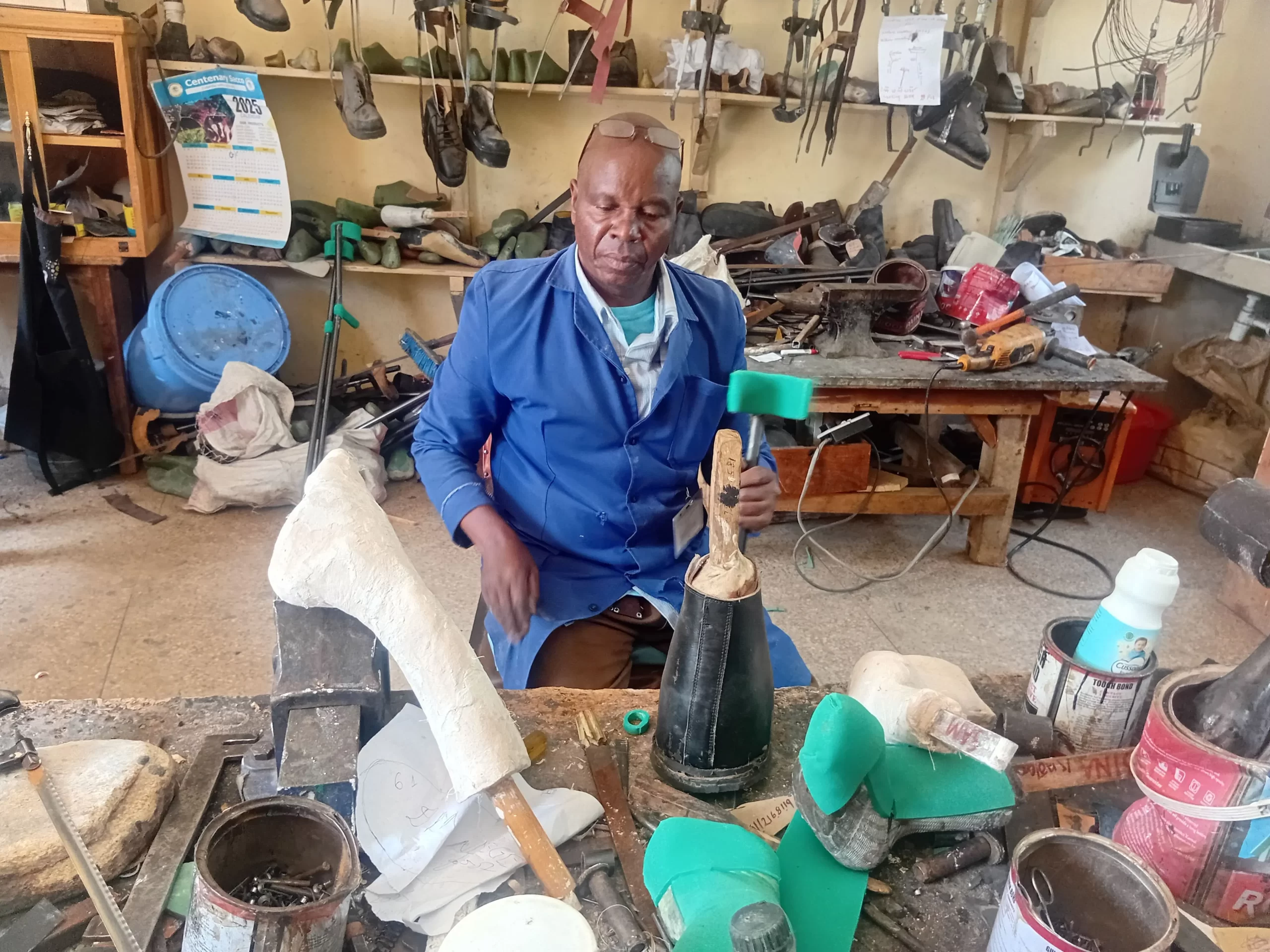
Gideon Mutuma, a person with disability, now works at Spark making shoes for PWDS, fulfilling SDG goal 8. Motivated by his own experience, he explains the process:
“We take a cast and fill the person’s leg with plaster to get its shape. We then mix VOV powder with water to create a paste, forming the basis of the prosthetic mould. We dry it, remove the plaster, and we’re left with a model of the leg to make the shoe,” says Gideon.
What a Prosthetic Leg Costs
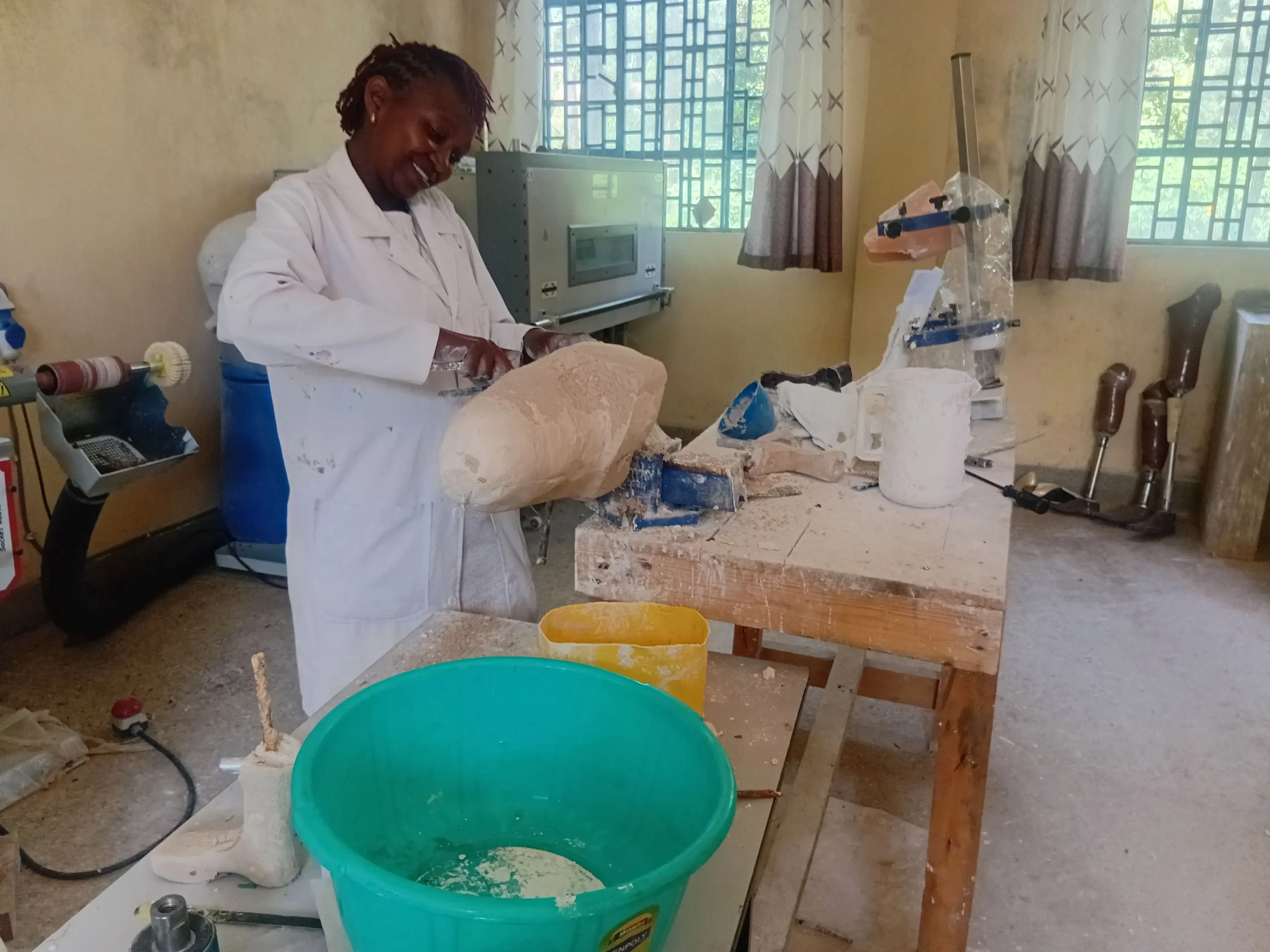
Fides Ntinyari, an Orthopedic Technologist, says prosthetics can cost hundreds of thousands. However, thanks to donors, Spark provides them for free.
“An above-knee prosthesis can cost around 300,000 shillings, but they get them free here. We also manage other leg and spine deformities,” explains Fides.
She notes challenges like financial constraints, and also that some patients struggle to adapt.
“Sometimes someone complains, wondering if they’ll walk again. We provide counselling and encouragement throughout the process to help them adjust physically and emotionally,” she adds.
What the Government Offers
Kimathi Mbaya, a person with a disability and Director of Disability Services in Meru under the National Council of Persons with Disabilities, outlines the support available per article 54(1) (e) of the Kenyan Constitution.
“We help students up to tertiary level, provide devices like crutches and wheelchairs, and support PWDS through grants and tax relief,” says Kimathi.
Over to You
By offering prosthetic limbs, counseling, and skills training, Spark is not just restoring mobility but also dignity. Indeed as society begins to look beyond the disability and embrace the ability, real inclusion becomes possible.