

By Christine Wangoi, DevReporter, Kajiado County

In the arid plains of Kajiado, herders are developing innovative strategies to control the breeding of goats and sheep, addressing the dual challenges of climate change and shrinking pastureland.
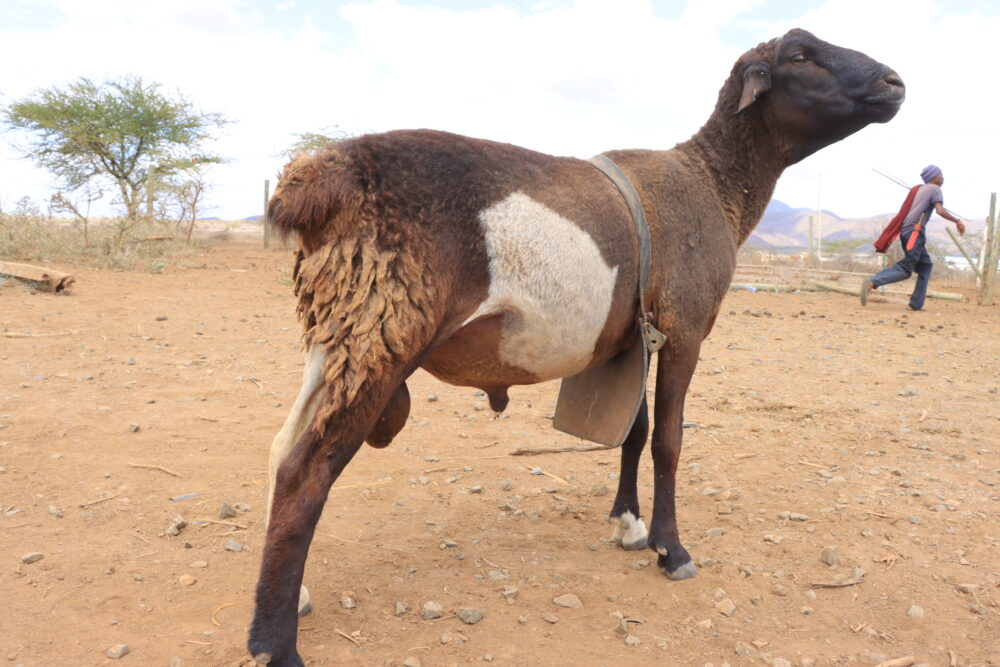
Farmers have created a handmade plastic sheath that fits snugly around the belly of a buck or ram, just before the male organ, to prevent mating attempts. This design effectively blocks access to ewes or nannies, ensuring that breeding does not occur.
Each sheath is customised by herders to accommodate the size of the male animal.
Mapena Ole Sitelu, a farmer from Ngatu village in Mashuuru, states that this plastic sheath is both inexpensive and simple to produce, requiring no special tools for fitting, and guarantees that no breeding takes place.
“The sheath can be easily fashioned from locally sourced used jerricans. It is a tradition we have maintained, and even boys as young as eight can make it. We appreciate the plastic sheath because it introduces no chemicals to the animals. With this sheath, breeding control is assured, and it remains effective until you decide to remove it,” Mapena explains.
Allows for Better Spacing
Farmers emphasise that controlled breeding allows for better spacing of offspring, ensuring they receive adequate lactation periods, which promotes faster growth.
“Just as children need sufficient time to nurse, offspring that receive quality lactation grow healthier. They mature with ideal body size and height. Without control, a goat can give birth up to three times a year, and a sheep can have up to four. As a community, we only encourage breeding twice a year,” Mapena adds.
He notes that controlling livestock breeding provides farmers with the opportunity to identify and select quality breeds for future breeding.
Climatic Conditions
Boniface Saitoti from Sholinke village in Kajiado East Sub County explains that climatic conditions significantly influence breeding periods.
“Allowing breeding during prolonged dry spells or heavy rainy seasons is risky. During dry spells, we face limited pasture and water, forcing animals to travel long distances to find food, which can jeopardise the survival of pregnant animals.
“Giving birth during these times is perilous for sheep and goats. The energy levels of the animals drop, increasing the risk of losing both mother and offspring. During heavy rains, pregnant animals are vulnerable to the harsh conditions of cold and wetness, especially since our animal shelters are open. We also see outbreaks of illness during the rainy season. To mitigate these risks, we are very cautious about when we breed,” Saitoti explains.
Reduced Pastureland
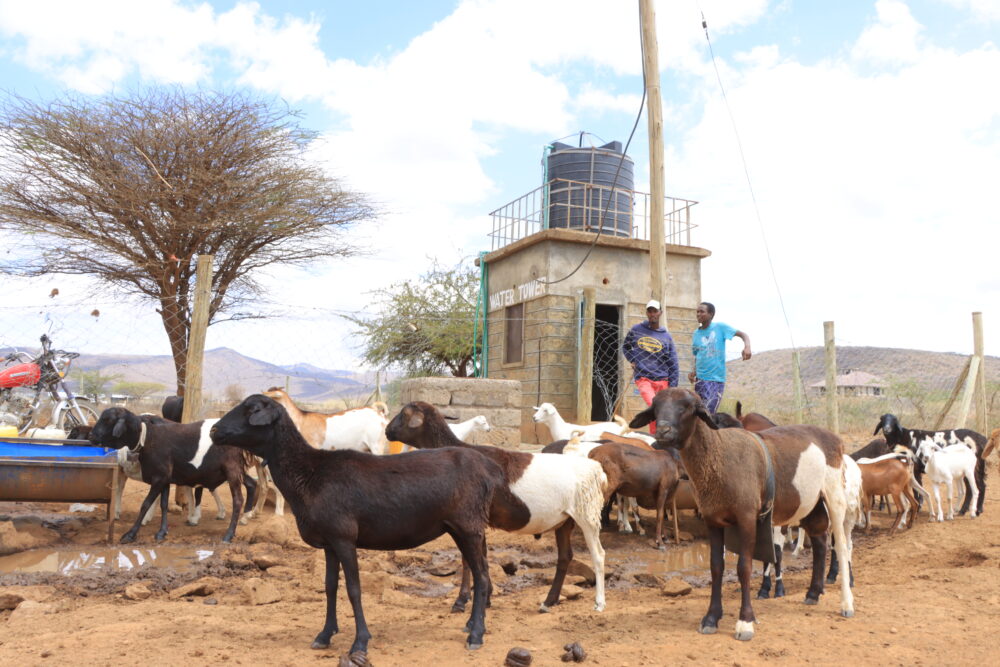
As development projects and real estate expand into village interiors, rangelands have significantly diminished.
Farmers report that the decrease in grazing land is forcing them to abandon the tradition of raising large numbers of livestock.
“Having too many animals on a small piece of land is not sustainable. A herder must coexist peacefully with neighbours, which means respecting boundaries,” stated Saitoti.
Livestock farmers are increasingly turning to crop farming practices. Additionally, the introduction of exotic breeds, such as Dorper sheep, has led to the preference for fewer but more productive animals.
“We still use our traditional birth control methods on exotic breeds,” explained John Lesi, a herder.
According to fellow herder Joel Muntet, breeding is a communal practice conducted during specific periods.
Although rare, some herders may inadvertently allow their animals to roam freely, leading to mating with controlled herds during grazing.
“Rangelands are open areas where herds often intermingle, increasing the risk of unplanned mating. While we have herdsmen caring for individual animals, they may overlook herds without breeding control. When this happens, it can result in untimely delivery of offspring,” Muntet added.
Safe and Affordable
Eric Ahenda, the livestock director for Kajiado County, reports that 90 percent of native farmers rely on improvised breeding methods since so far, there are no reported cases of side effects on their animals.
“Herders are deeply attached to their animals and want only the best for them. They believe that introducing artificial methods may have unnoticed side effects. These methods are safe and affordable,” Ahenda noted.
He emphasised the need for increased awareness about breeding management to dispel myths that sometimes prevent farmers from adopting more exotic and productive breeds.
“During our assessment of how the handmade plastic sheath is used and maintained, we observed that farmers prioritise the health and comfort of their animals,” he added.
The Animal Welfare Act Cap. 360 prohibits any form of cruelty against animals, imposing a fine of Ksh. 3,000 or six months in prison, or both, for anyone found treating animals cruelly.
By enhancing breeding knowledge among pastoralists, we will not only improve food security but also create a national model for climate-resilient livestock keeping, which is essential for Kenya’s Vision 2030.