


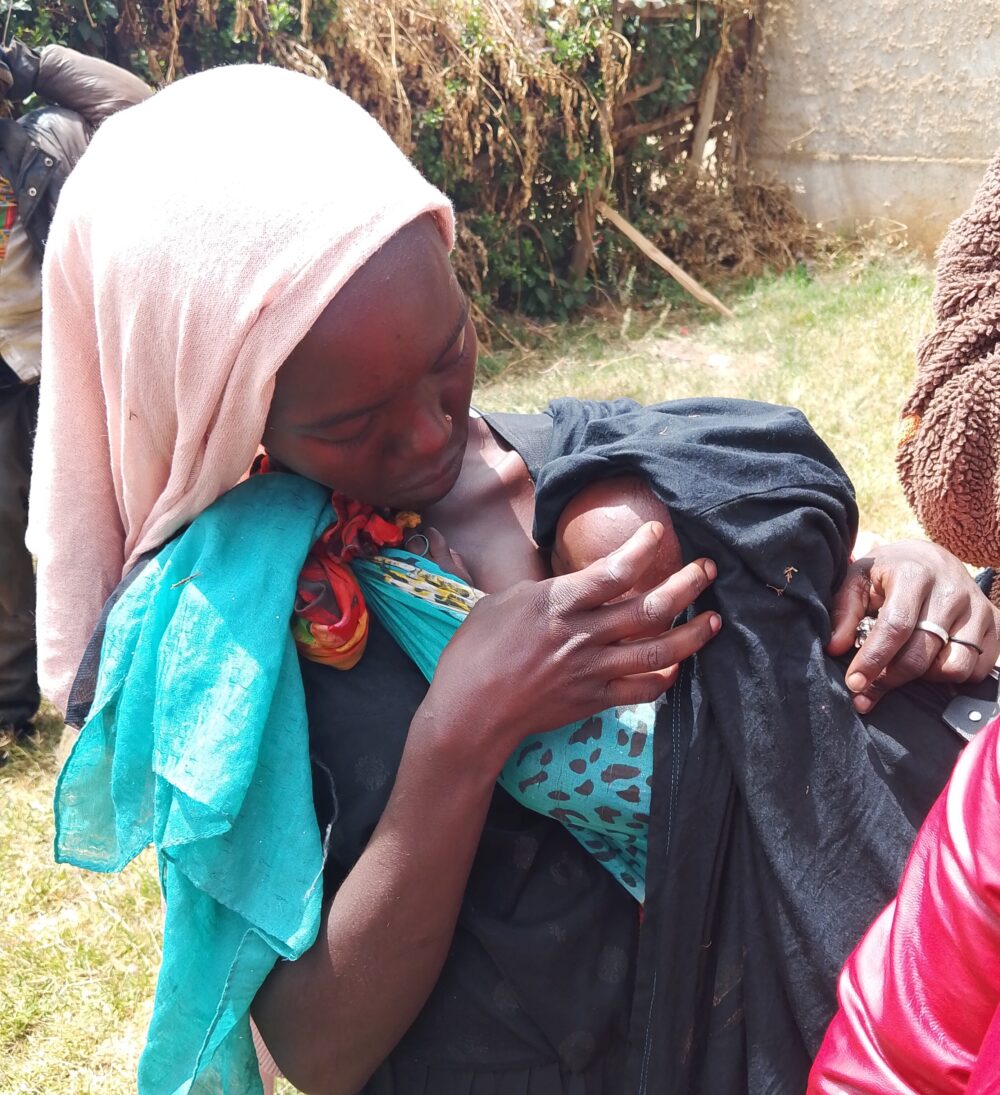
By Emanuel Kipkorir Tarus, Uasin Gishu County
For many mothers, especially corporate women in Kenya, breastfeeding is a tough balancing act between providing nutrition to their babies and meeting workplace demands and other household responsibilities.
The World Health Organization (WHO) recommends exclusive breastfeeding for the first six months of a child’s life.
However, for many working mothers, maintaining WHO’s recommendation remains a big challenge.
In Langas, Uasin Gishu County, mothers in formal employment like Monicah Kariuki, say that long working hours, inadequate breastfeeding breaks and lack of designated breastfeeding spaces, make it difficult to maintain regular breastfeeding routines.
“Sometimes, we do not stick to the exclusive breastfeeding recommendations because of several workplace demands after the three months maternity leave. Imagine you have reports to file, calls to make and also limited time to breastfeed. It is not easy to balance all these demands,” Kariuki said.
When Body Image Becomes a Concern
For some women, like Margaret Nduta, the challenge is complicated by concerns about body changes following pregnancy and childbirth.
Changes in the size of breast, additional weight and overall body shape, can affect how some women, especially first-time mothers, feel about themselves after giving birth.
In an exclusive interview with Radio Baraza, Nduta said that pressure to regain and maintain their pre-pregnancy body shape can influence how some women perceive and approach breastfeeding.
“While we are aware of the six months exclusive breastfeeding recommendation, most of the women want to maintain their body shapes and resort not to breastfeed so that they can remain attractive,” Nduta said.
For mothers like Eunice Nambafu, the challenge is very significant for women working in the informal sector, where formal maternity protection and workplace breastfeeding facilities may be limited or totally unavailable.
The fruit vendor depends on daily sales to provide for her family. She said taking time away from her business to breastfeed, means losing customers and income.
Health experts in Uasin Gishu, however, emphasise that the nutritional and health needs of the baby should remain central during the first six months of their life. This contributes directly to several Sustainable Development Goals.
Role of Fathers in Breastfeeding
Pediatrician Dr. Richard Omogeni, said that fathers have an important role to play by supporting their breastfeeding partners, and urged employers to create conditions that allow mothers to continue breastfeeding after returning to work.
“While we urge employers to provide adequate breastfeeding breaks and private, hygienic spaces where mothers can breastfeed or express breast milk, men should also be present and support their wives,” Omogeni stated.
Although some workplaces may have policies that support breastfeeding mothers, their implementation is a major concern.
A mother may have the intention to exclusively breastfeed, but finds herself in a workplace where there is neither a private room, nor appropriate place to express or store breast milk. Others do not have sufficient time to breastfeed. They therefore end up introducing other feeds or prematurely discontinue breastfeeding.
Some of the men in Eldoret city, who talked to Radio Baraza, said that they had divergent opinions on the need to support their breastfeeding partners.
Robert Mutasi said that he does not support the narrative that men should support their partners. He argues that men have been burdened with heavy responsibilities and should not be involved in breastfeeding.
“I do not think my presence in my partner’s breastfeeding journey is necessary because while she is breastfeeding, I will be busy with other pressing needs,” Mutasi said.
However, James Gitaka holds a different opinion. Gitaka challenged men to be present in the lives of their breastfeeding wives.
“There are several ways you can support your partner during breastfeeding. One, you need to provide her with nutritious food so that she can get enough milk to feed your baby. Secondly, if you cannot do some house chores, you can look for a house help,” Gitaka advised men.
Several observational studies have directly linked maternal psychological distress such as perceived stress, anxiety, and depression, with nonoptimal breastfeeding outcomes, such as decreased proportion and duration of exclusive breastfeeding.
Why Exclusive Breastfeeding Matters
Dr. Sarah Mandy, a health practitioner working with the Fountain Hospital in Eldoret, noted that breast milk extends beyond nutrition. She told Radio Baraza that breast milk contains essential nutrients necessary for a baby’s growth and equally supports the development of the child’s immune system.
“Mother’s breast milk has anti-bodies that help babies fight against infections. It also contributes to brain development and is also cost effective,” she stated.
According to research conducted by the University of Texas MD Anderson Cancer Centre in 2025, breastfeeding lowers the risks of breast and ovarian cancers.
For employers, establishing private breastfeeding spaces can help mothers remain productive while also reducing the difficulties associated with going back to work after childbirth. This is in line with section 71 of the Health Act 2017 and the Breast Milk Substitutes Act 2012.
Under the Bottom-Up Economic Transformation Agenda, BETA, the government of Kenya seeks to improve breastfeeding coverage from 60% to 80% by 2030 and save about KSh 2.6 billion non-exclusive breastfeeding costs.
For mothers like Kariuki, Nduta and Nambafu, the goal should not be choosing between providing for their families and giving their babies the best possible start in life.
According to the 2022 Kenya Demographic and Health Survey, 60 percent of infants aged 0-5 were exclusively breastfed
Every year between 1st and 7th August, the world observes the World Breastfeeding Week to create awareness about the importance of exclusive breastfeeding.
Inadequate breastfeeding is linked to a substantial number of preventable child deaths globally. These infants are vulnerable to diseases such as diarrhoea, pneumonia and other life-threatening infections.
According to WHO, over 823,000 infants under 5 die every year due to suboptimal breastfeeding.
Successful exclusive breastfeeding for six months is therefore not only the responsibility of a mother. It is a shared responsibility involving families, employers, communities and also policymakers.
End.



 Radio Baraza
