


By Sefu Sabila, DevReporter, Trans Nzoia County

At a Glance
- Women in Trans Nzoia remain underrepresented in decision-making despite being the majority as per the 2019 census that placed their numbers at 3.4 million
- Failure by women leaders to support women at the grassroots, has seen lower voter turnout during elections
- However, women leaders are changing this narrative by influencing grassroots turnout and mentorship aimed at encouraging more women to take up leadership positions.
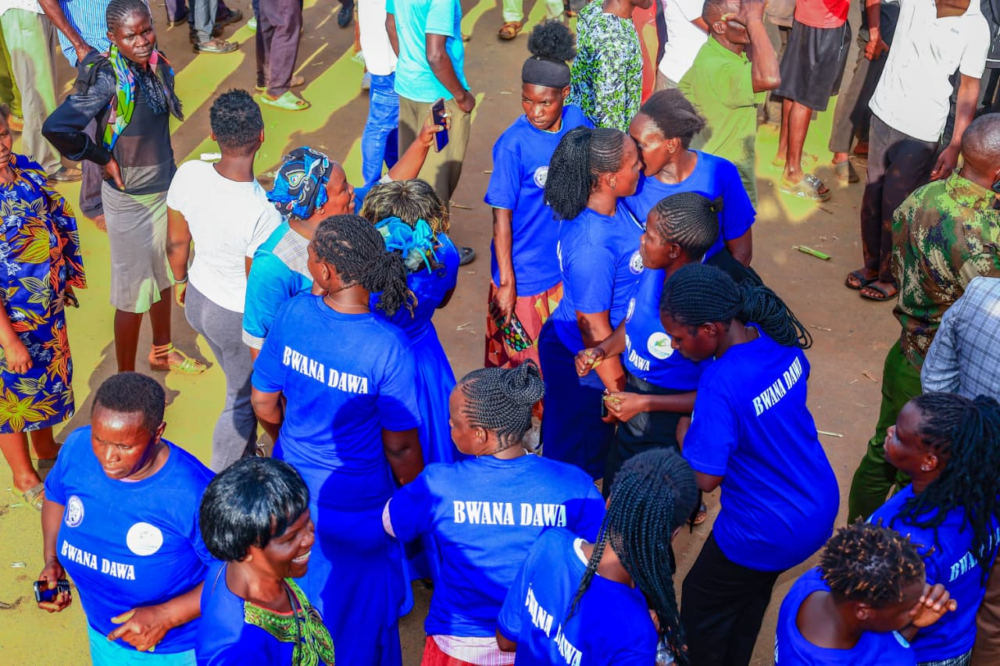
Ahead of Kenya’s 2027 General Election, a grassroots movement in Trans Nzoia is pushing for women to transition from campaign mobilisers to elective leaders. Despite making up half of the Luhya community—3.4 million of 6.8 million people in the 2019 Census—women remain severely underrepresented. Many still disengage from the electoral process entirely, even after years of civic education.
So why is women’s political participation still so low?
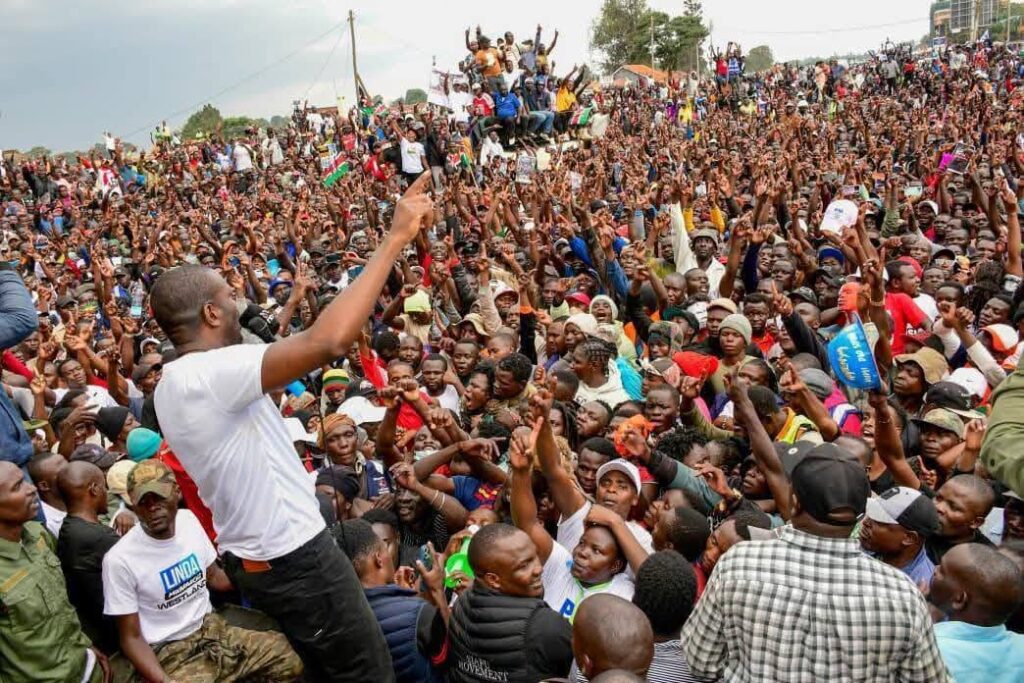
Years of unfulfilled political promises have eroded confidence in elections. Take Habiba Kandie, a laundry worker in Kiminini Constituency. She has never voted despite being eligible for years.
“I don’t see the need to vote early when leaders only work for themselves,” she said.
“Good leaders without financial backing are undermined because they cannot hand out money at rallies. Once elected, women leaders become too proud to support those at the grassroots. Whether I vote or not, nothing changes,” she added.
Though she recently registered with IEBC, Kandie remains unsure if she will actually vote in 2027.
Youth leader, Sarah Muliro, alongside Dorcus Khayumbi and Grace Simiyu, add that elected women leaders have failed to uplift grassroots women, suggesting that women are often manipulated as political tools, and often stereotyped as too weak for office.
Additionally, Moses Kapten says that women sometimes fail to support each other, while men block female advancement out of fear.
Dickson Masika further dismisses resource scarcity as the primary barrier, insisting that NGAAF funds are sufficient if properly managed.
IEBC’s 2022 data for Trans Nzoia underscores the gap: of the 398,981 registered voters, women made up just 47.3% (188,763) compared to men, at 52.7% (210,218).
Building a new generation of women leaders
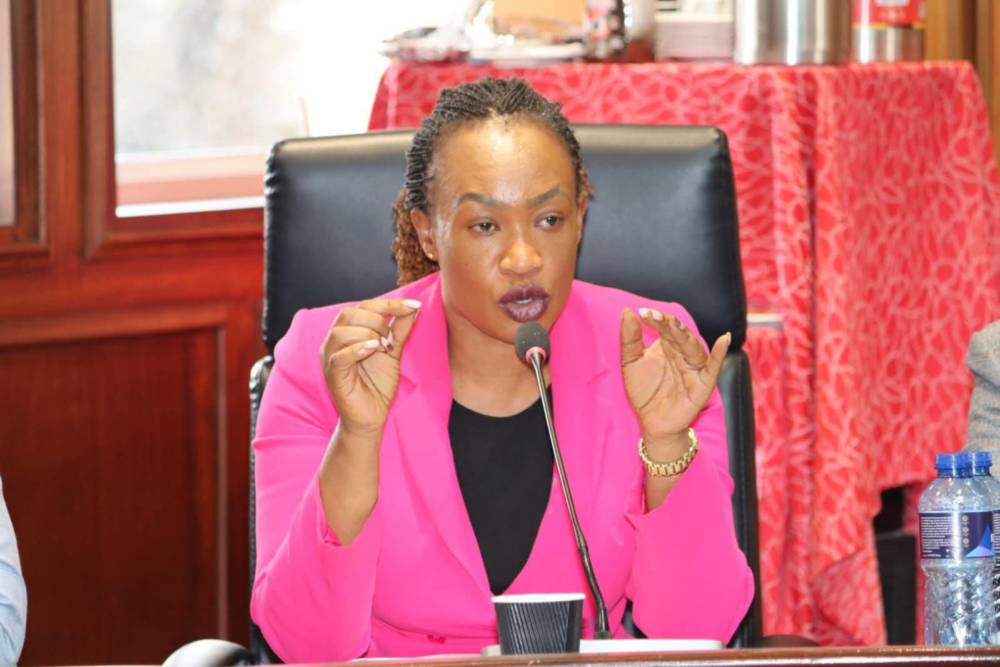
As 2027 approaches, women leaders are organising forums to boost grassroots participation and encourage female candidacy. Jane Nafula, an aspiring Woman Representative, also urges women to reject stereotypes and unite behind female candidates.
“Let us be firm and demand respect. Can we be awake and clean the path for our own status as a community in national politics?” she asked.
KNUT official, Patricia Melissa, and gender activist, Justina Siti, also encouraged women to pursue leadership with integrity, resilience, and strong mentorship networks.
“Develop integrity; it builds trust and earns respect. It defines your legacy. Without it, leadership lacks meaning,” Siti said.
Siti further noted that female candidates face harsher scrutiny, which makes character even more vital.
However, leadership expert, Jacob Lusweti, pointed to the 2026 EACC report showing fewer women implicated in graft than men, suggesting that women can positively impact public leadership. Siti also warned that low voter registration among women and youth hugely weakens their political influence.
“We must be teachers to our fellow women,” she urged.
Legal framework and remaining barriers
Kenya still struggles to implement its constitutional two-thirds gender rule, more than a decade after the 2010 Constitution was set in place. The two-third gender rule campaign closely aligns with SDG 5 and SDG 10 on gender equality and reduced inequalities.
Progress has however been made: following the 2022 elections, Kenya elected seven female governors and more women MPs. Other key institutions, like the Judiciary, are also now led by women.
However, cultural practices, patriarchal attitudes, family responsibilities, sub-tribal divisions, and internal rivalries still deter women from seeking office. Melissa also noted that sub-tribal politics continue to undermine collective progress.
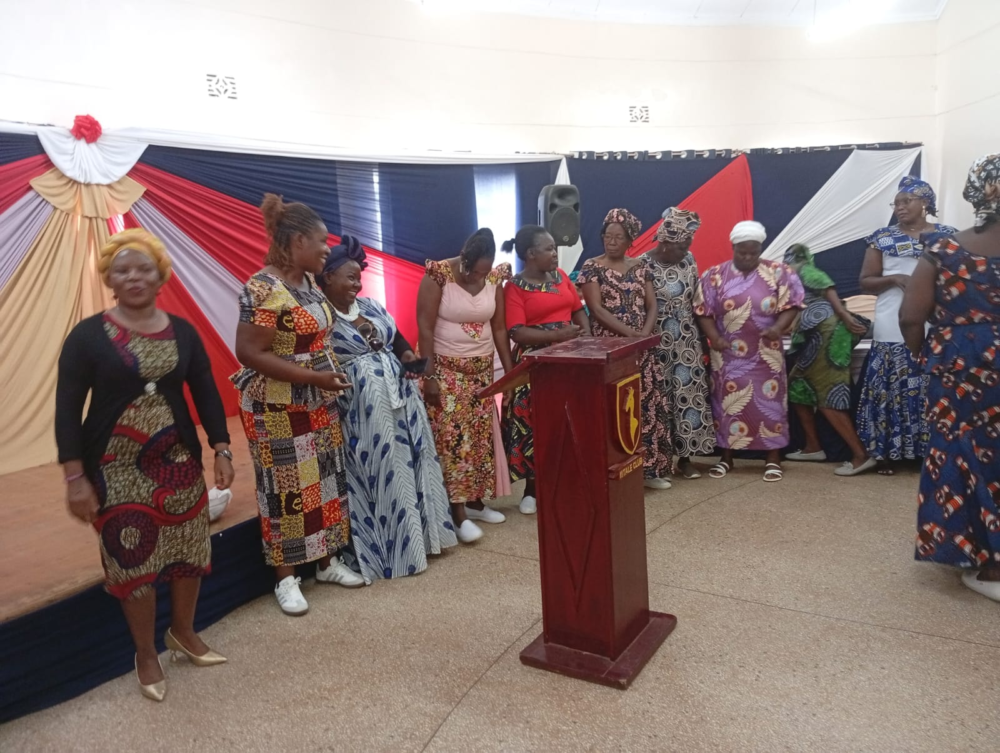
Chief Officer, Janerose Mutama, challenged women to support each other:
“We completely do not support our own. Women from other communities take pride in their own, but we work to ensure none of us succeed.”
Leaders urged professionals and politicians to also back women-led platforms that promote mentorship, civic education, networking, and political awareness to help women resist manipulation.
For the women of Trans Nzoia, the journey extends beyond winning seats; it is about ensuring women; from urban centres to remote villages; have a meaningful voice in shaping the nation.
While Kandie, Khayumbi, and Grace remain cautious, their growing willingness to talk politics and register as voters, signals a quiet, critical shift. The conversation is no longer about whether grassroots women will engage, but how quickly they will redefine who gets to lead.
Related stories
https://www.un.org/sustainabledevelopment/gender-equality/
https://peopledaily.digital/inside-politics/karua-calls-for-dialogue-to-end-goonism
https://peopledaily.digital/news/faith-odhiambo-calls-for-impact-driven-women-leadership


 Radio Baraza