


By Christine Wangoi Musa, DevReporter, Kajiado County

Key Highlights
-
Kalazaar occurs in two forms Visceral Leishmaniasis (VL) which affects internal organs such as the spleen, liver, and bone marrow and Cutaneous Leishmaniasis (CL)which causes skin ulcers and lesions.
-
Children aged 2–15 years are the most affected, with many cases occurring in remote pastoralist communities.
-
Delayed diagnosis is common due to misdiagnosis and reliance on traditional remedies.
-
Poverty, malnutrition, and limited access to healthcare are key drivers of the disease burden.
-
Kajiado West Constituency environment including termite mounds, acacia trees, and cracked soils, provides ideal breeding conditions for infected kala zaar sandflies.
-
Community Health Promoters are conducting door-to-door awareness campaigns to improve early diagnosis.
-
Three treatment centers have been established in Kajiado County
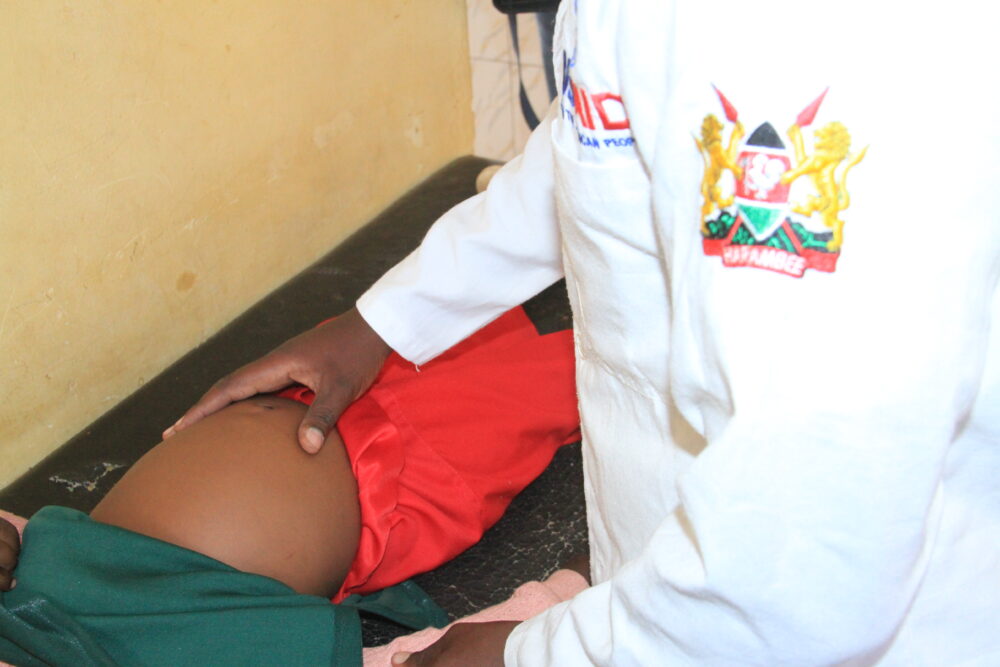
Four-year-old Mary Nkonini from Olkeri, Kajiado West lost her appetite, begun losing weight at an alarming rate, and developed an abnormally swollen stomach.
She was diagnosed with Kala zaar at a free medical camp in the area and referred to Osonorua dispensary from where she was further referred to Kajiado referral hospital where she ended up being admitted for 17 days for further treatment.
Kala-azar is medically known as Visceral Leishmaniasis. According to medics, this tropical parasitic disease transmitted through bites by infected sandflies, presents itself in two forms.
Visceral leishmaniasis (VL) is the most severe and attacks the spleen, liver and bone marrow.
The other form is Cutaneous leishmaniasis (CL), which causes disfiguring skin ulcers
The disease is locally known as Endanoni.
Young Mary’s story reflects a growing public health concern in Kajiado County.
“My sister has been unwell for some time. We noticed that her stomach was getting swollen and she was losing appetite at a fast rate. We automatically assumed it was kalazaar, which we call Endanoni in our dialect. We began administering traditional herbs but there was no much change. We are used to easily treating skin Kala zaar (Cutaneous Leishmaniasis) using traditional medicine. A few days ago, a medical camp was held in our village, Olkeri. The Medics advised that it was a form of Kalazaar which had affected the spleen and she needed urgent intervention,” narrated Gedion Nkonini.
Gedion had to step in as his sister’s guardian since the mother had just given birth to their seventh born. Their father was elderly and had lost his eyesight.
“I have no option but to stay with my sister at hospital for the next 17 days of admission. I am glad that there are no charges whatsoever for the treatment. We could have been reduced to waiting for fate. We have neither medical cover nor money to pay for treatment,” he added.
Martin Wainaina, the facility nurse at Osonorua dispensary who handed Mary the referral letter to Kajiado referral hospital, confirms that the new form of this tropical disease is deadly if untreated. He further expressed fears of cases being underreported.
“Most of the locals within this area use traditional herbs. From the cases we are getting, it is evident that they have not identified any cure for VL. They are only managing pain and discomfort. This points to the possibility of a serious health crisis. If untreated for a long period, the patient will succumb to the condition,” Wainaina said.
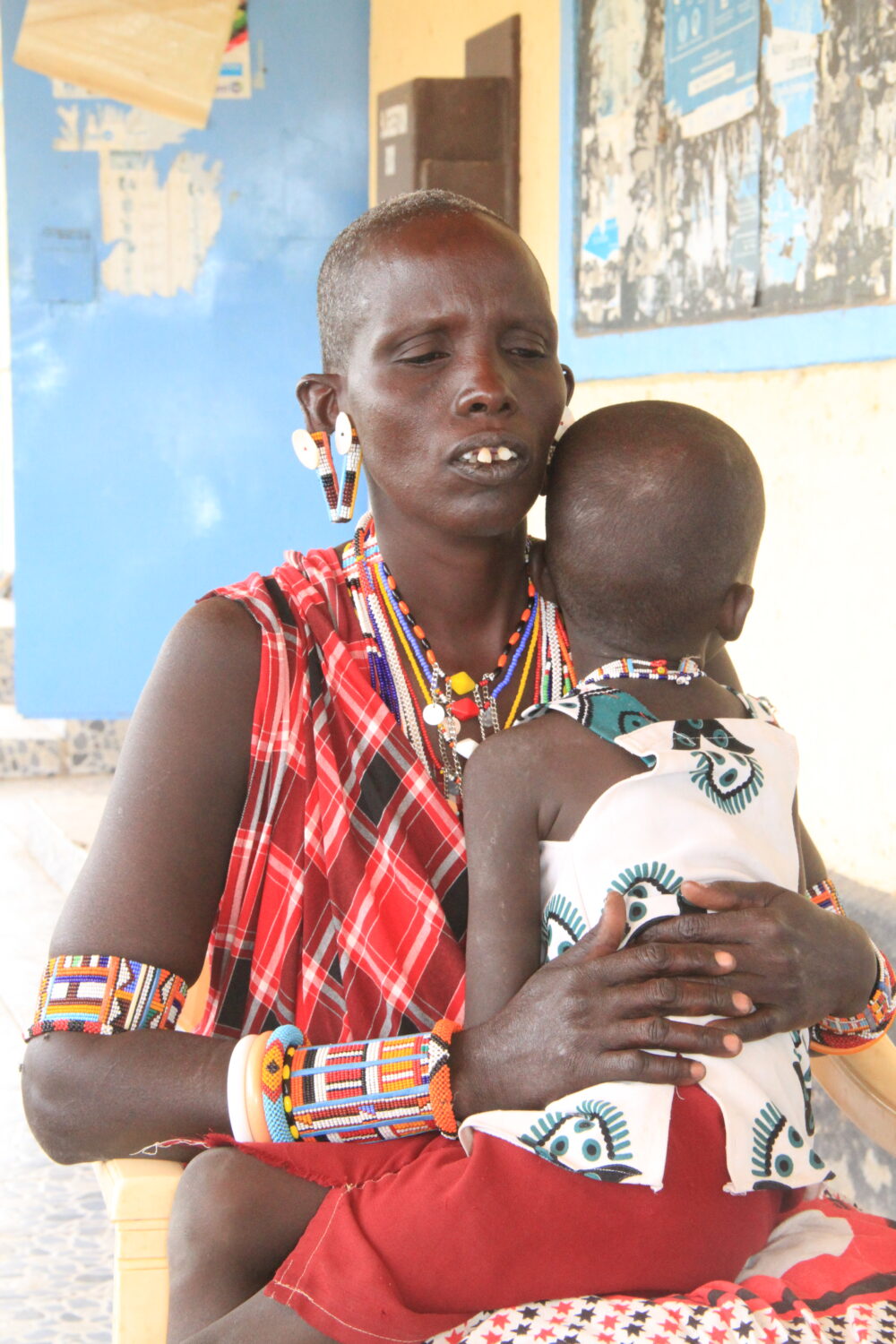
At the same facility, 48-year-old Manati Keshine, sat quietly beside her three-year-old son, who was recovering from a severe case of visceral leishmaniasis. She had to trek here for more than 15 Kilometers from Oltepesi village with the child on her back.
Kashine, an uneducated mother of seven in a polygamous household, recalls how her son fell ill in February 2025, but repeatedly misdiagnosed, nearly costing him his life.
“It was in August 2025 that doctors confirmed he had contracted a new form of Kala-azar, VL. We stayed in hospital for 27 days. Today, my son has recovered. His weight has increased from seven kilograms to 17 kilograms in just four months.” she says joyfully.
48-year-old Nashilu Musanka from Oldonyonyokie village shared a similar account. She was at the hospital with her eight-year-old granddaughter who she had brought for a follow-up clinic visit.
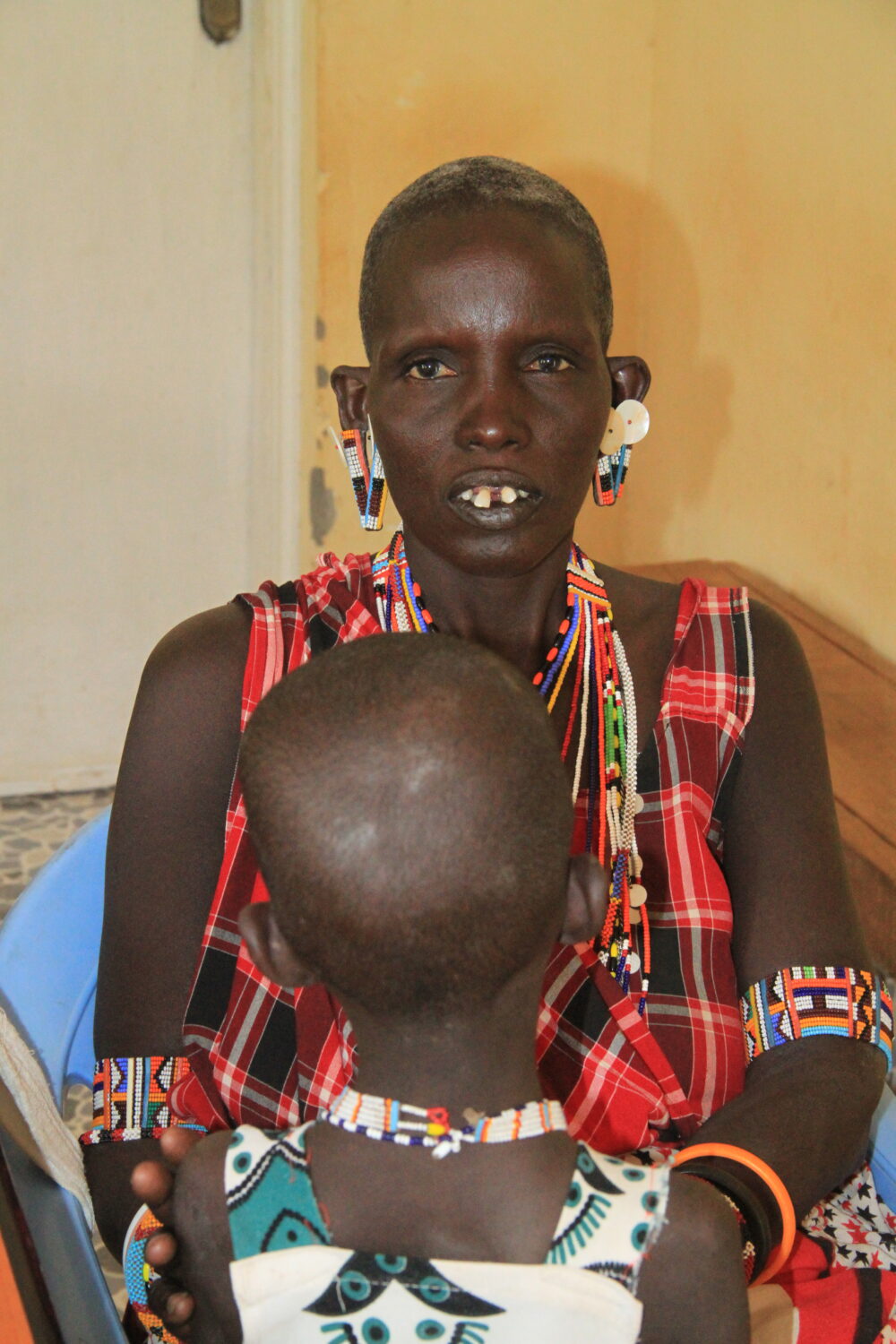 “Before treatment, she was weak, had no appetite and had stopped going to school. This disease is quietly affecting our pastoralist communities. More interventions need to be put in place to reach out to the rural population who are suffering in silence,” appeals Musanka.
David Marima, an area Community Health Promoter (CHP), says that they have been at the forefront to identify suspected cases early, in order to link patients to health facilities.
“As CHPs, we are mapping areas with suspected cases and linking patients to health facilities. We are working closely with administration officers through public barazas, to aid the community in understanding that VL cannot be treated using herbs. Kajiado West is vast and commuting from one area to another is a challenge,” said Marima.
Records at the the Ministry of Health show that Kajiado County reported its first Kala-azar case in 2021, with Kajiado West Sub-County emerging as a hotspot. In response, three treatment centers were established; at Osonorua Dispensary, Ewuaso Kedong Health Centre and Kajiado County Referral Hospital.
The Sub-County Health Officer, Dr Eliud Pariken says that between 2024 and 2025, 202 cases were documented, with no fatalities. Most cases involved children aged between two and 15 years. In 2025 alone, 129 cases were reported including 119 of Cutaneous Leishmaniasis, and 10 visceral cases.
By January 2026, 12 new Cutaneous cases had been reported, signaling a steady monthly increase.
Dr Pariken attributed the spread to pastoralist lifestyles, clustered manyattas, poverty and limited access to healthcare. The county’s semi-arid climate characterized by termite mounds, acacia trees and cracked soil, provide ideal breeding grounds for sandflies.
“Previously, patients had to travel to Baringo County for treatment. We have also rescued patients in critical conditions after being misdiagnosed by traditional healers. Now we have diagnostic capacity and drugs available within the county,” said Dr Pariken.
Although no deaths have been recorded locally, Dr Pariken warned that untreated visceral leishmaniasis can be fatal, particularly among children.
According to Dr Cherinet Adera, head of the leishmaniasis programmes at the Drugs for Neglected Diseases initiative (DNDi), visceral leishmaniasis remains one of the most neglected tropical diseases in Kenya, disproportionately affecting vulnerable populations.
“DNDi is working with national and county partners to develop safer, shorter and more effective treatments,” Dr Adera said, adding that recent studies in Eastern Africa could soon inform updated treatment guidelines.
Nationally, the Ministry of Health estimates that Kenya records between 500 and 1,300 cases of Kalazaar annually, with millions of people at risk across at least 11 endemic counties.
Kenya Vision 2030 aims to provide equitable and affordable healthcare to all citizens. However, the rising cases of kala-azar in remote areas underscores the gaps that still exist in reaching vulnerable populations.
The situation in Kajiado highlights the urgent need to translate this constitutional guarantee into reality for marginalized communities.
To expedite progress, experts recommend strengthened surveillance and data tracking, Community awareness and continued county-national collaboration.
As families like Mary’s navigate long journeys for care, the urgency is clear, early diagnosis, equitable access to treatment and sustained policy implementation are critical for preventing further suffering.
Kala-azar may be silent, its impact on Kajiado’s most vulnerable communities is profound. Addressing it is not just a health intervention; it is a development imperative.
Experts recommend, strengthened surveillance and data tracking, Community awareness and continued county-national collaboration.
As families like Mary’s navigate long journeys for care, the urgency is clear, early diagnosis, equitable access to treatment and sustained policy implementation are critical to preventing further suffering.
Kala-azar may be silent but its impact on Kajiado’s most vulnerable communities is profound. Addressing it is not just a health intervention; it is a development imperative.

 Radio Baraza